
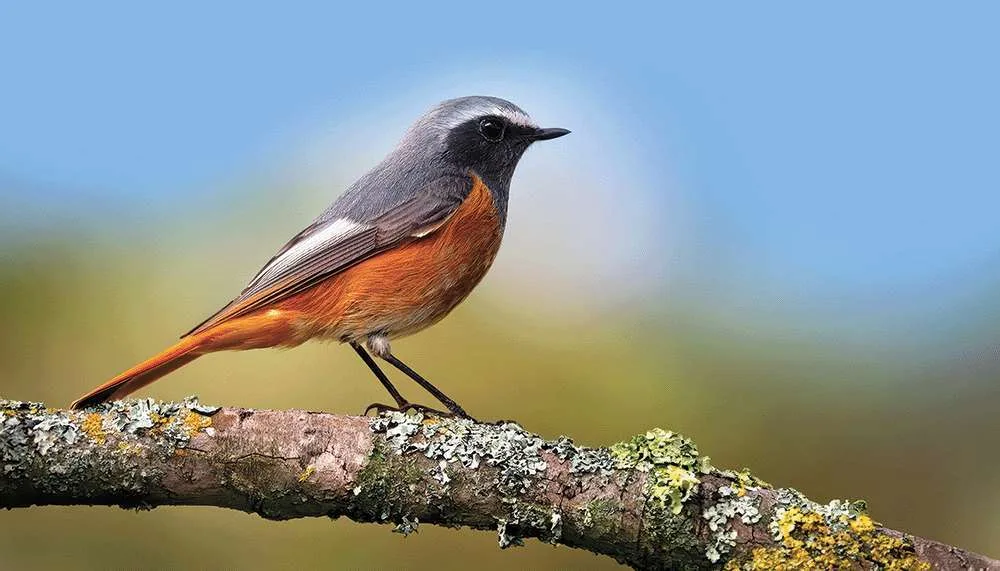
It was one of those weeks in late August when the hot summer begins phasing itself out and cool air sweeps in as the first fingers of autumn begin to grip.
I was in a buoyant mood though because over the previous three days I had managed to find four of the ‘fab five’ target birds I always look out for at that time of the year.
They stop off to refuel in Cranleigh and other sites in the south-east while on their way to Africa – either for the first time or on return journeys.
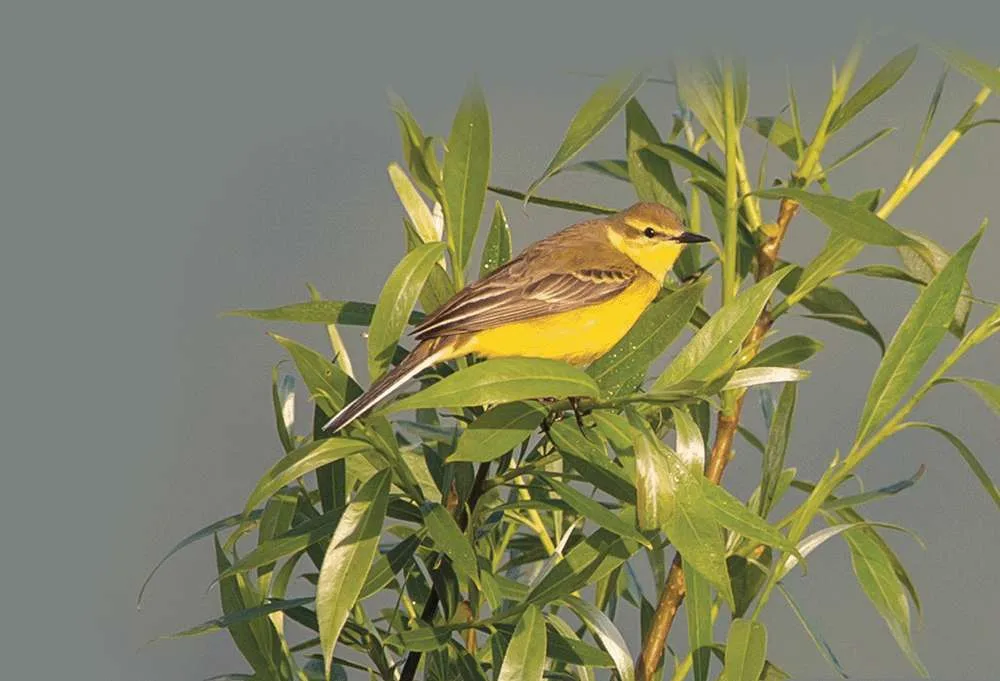
First up were four sparkling Yellow Wagtails dicing with death around a herd of feeding cattle.
I marvelled at how they deftly danced to snatch up a feast of insects emerging inches from the cows’ all action rubber lips and shuffling hooves.
One false move and it looked like the birds would be wagging tails no more. They risked being gonners, chewed up with the grass or squashed as flat as one of the surrounding cow-pats.
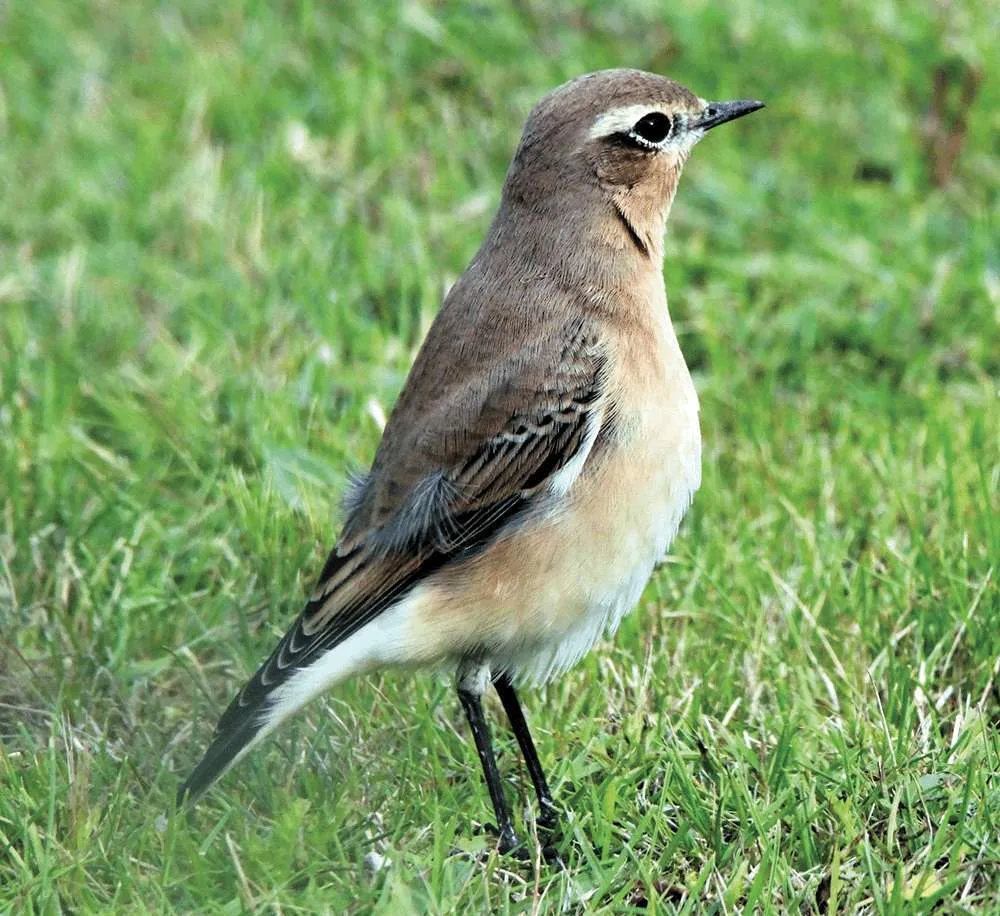
The fly infested dung had also attracted other visitors. Further off in the same field were two south-bound Wheatears, hopping a few feet and then standing typically erect and alert. The brown mounds around them came in handy as lookout posts. Pooh with a view.
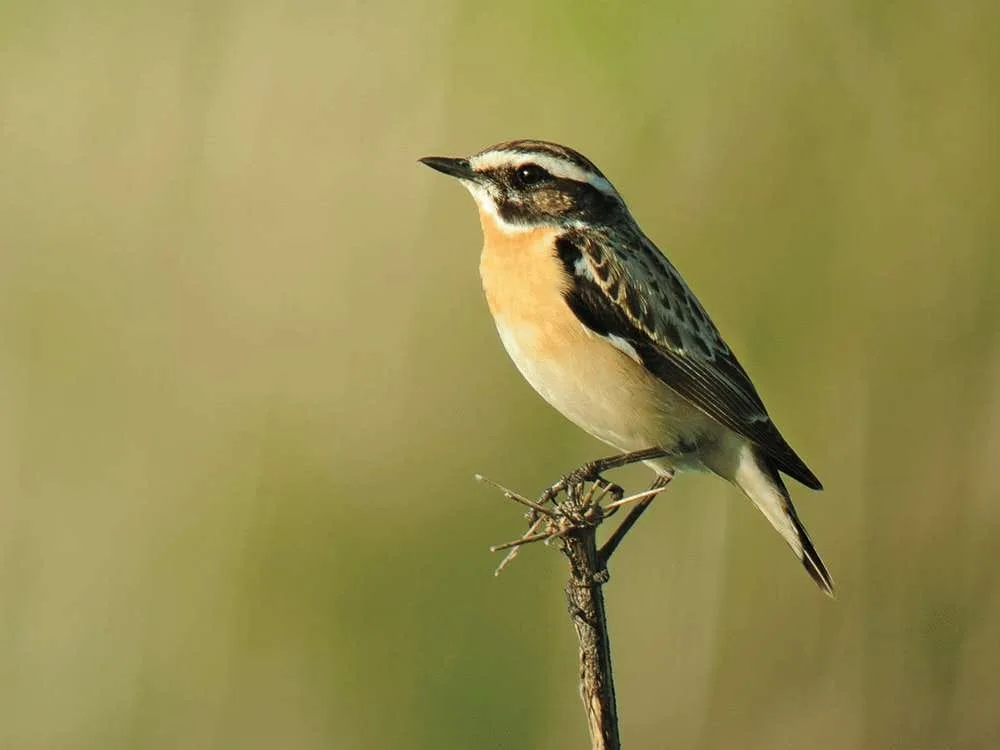
My third find came from a different public footpath where another moorland bird I was hoping for, a Whinchat, did me the favour of posing on a long hedge stretching between two fields. It frequently flew up from its perch to snatch a passing insect before returning to the branch.
On the same day in a quiet section of Winterfold Forest I was grateful to stumble across a family party of four birds busily chasing moths high up in the Scots Pines.
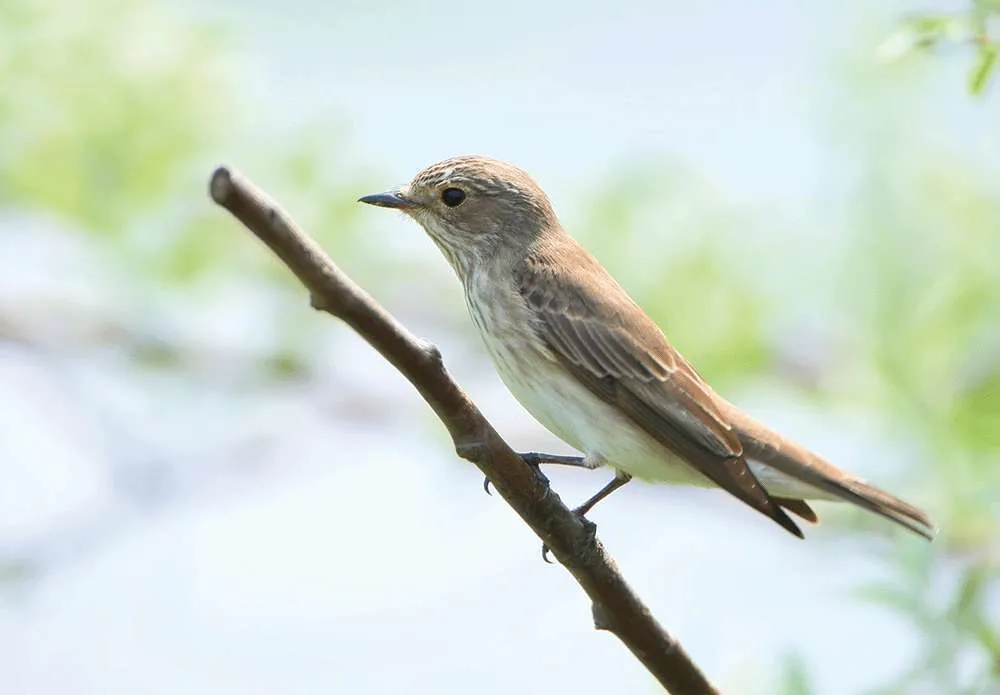
They took it in turns to dash from dead branches, catch their prey, and then return to consume it before launching another sortie. When listening carefully I could hear their bills snapping as they grabbed their takeaway.
The birds were Spotted Flycatchers, all too scarce in Surrey and elsewhere these days, and many birdwatchers sadly no longer see them every year.
All these ‘special deliveries’ got me thinking about another bird I had not come across locally since the Covid epidemic in 2020.
The male is possibly our most beautiful small summer migrant but despite much searching of likely spots in the following springs and autumns I had never struck luck in re-finding the Redstart, a declining woodland species. Would my wait extend to six years?
Next day I decided to check out a thick hawthorn hedgerow I know which had been providing cover for dozens of small birds. I had a hunch it might be a likely venue to restart my Redstart experience but I was not confident of success. Oh well, nothing ventured nothing gained.
Just as I started walking the distant drizzle came my way but I ploughed on because it was my only chance of being out for a few days. Dozens of birds were sheltering in the hedge and moving on in front of me before diving back into cover until I drew level. Then they repeated the process.
But they were all Chiffchaffs, Linnets, Blue Tits and Great Tits. Then I had a brief view of a Robin-sized bird flying away alongside the hedge before annoyingly fast disappearing into the dense branches.
Hey, I’m sure it had a rusty orange tail! That would have been a clincher. But the sighting was too quick to be certain. Maybe I was imagining it. With birding, as in other walks of life, we can all be blinded by what we want to see.
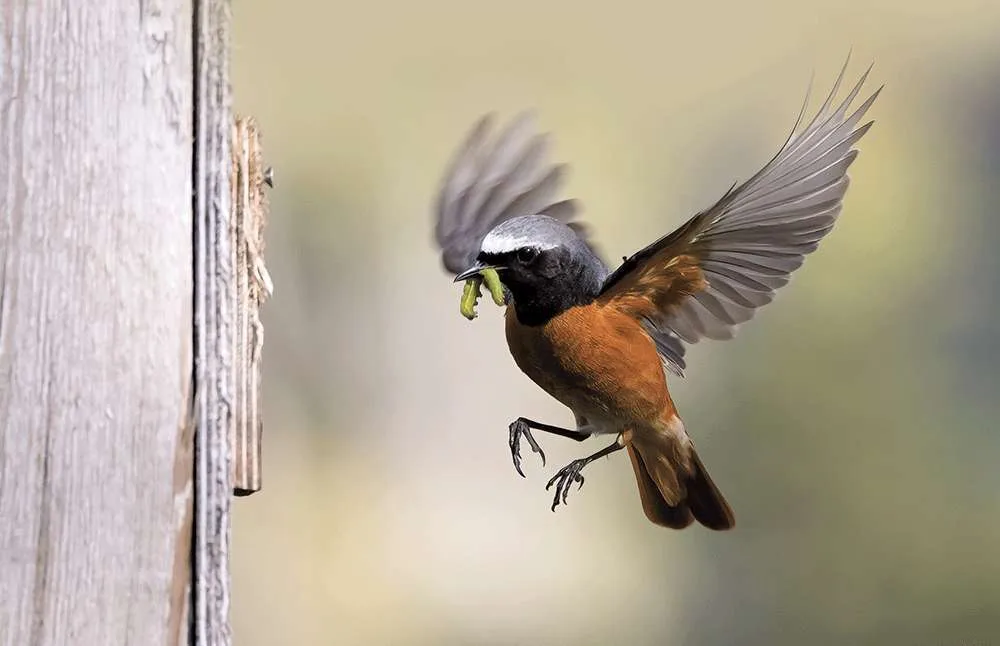
I walked on to the end of the hedge and then returned. Then, near the spot where I had got so excited just minutes earlier, a bird was suddenly flying in front of me. Yes! It had the rusty red tail and was clearly a Redstart! And it was a spectacular male still in summer plumage.
To my great fortune it then posed briefly on top of the hedge where I was able to view it in all its glory as it characteristically quivered its tail. It displayed a beautiful orangey breast, slate grey back, wings, and crown, a black face, and a white strip over the eyes and forehead.
Two days later it was still present and I saw it numerous times when it came down nervously to feed on the footpath before flying back up into the hawthorn.
The Redstart is one of those birds given the prefix ‘Common’ in modern field guides to distinguish it from other Redstart species seen mostly in Europe. But the records here are few although it was breeding at Winterfold in the 1940s and 1950s.
This one was the first males I have seen here since the 1990s and I am unaware of any breeding locally since a pair raised four young in a hole in a garden shed at Winterfold Windmill in 1997. Probably others have done so this century but likely areas are under watched.
And the star of the ‘fab five’ show? With any luck he made it back across the Channel and by the first of next month (November) will be sunning himself in Portugal, as did one in 1965 who was ringed on its way through Ewhurst in late September that year.