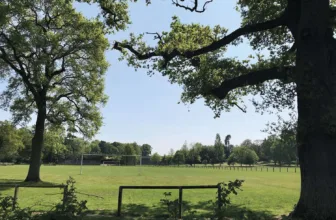

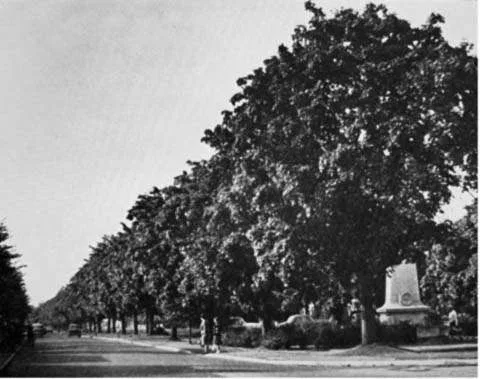
by Joy Horn // Main Photo: The maples on the Common (Cranleigh Guide, 1964)
Our final Cranleigh myth is the story that the maples on the Common were given by Canadian soldiers stationed here during WW1. Here are the maples, in their magnificent prime, in a photo of 1964 by local photographer Jack Harley.
I was told this story of the Canadian soldiers on many occasions when I first came to Cranleigh. People cannot be blamed for this: the Canadians were undoubtedly here during World War 1, the maple is the emblem of Canada, therefore the Canadians were responsible for our maples.
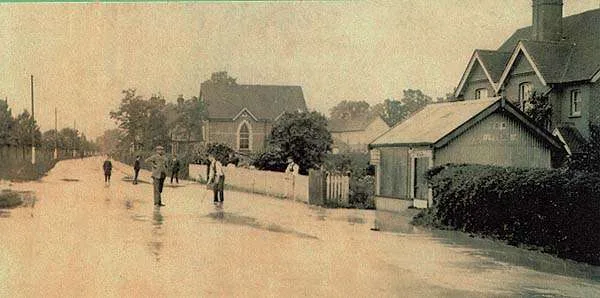
Moreover, the Cranleigh Guide of 1964 carried an article about the maples. This is a quotation from it:
‘A tall grey-haired man wearing a huge Stetson hat walked into a newsagent’s shop on June 21st 1961 and asked for local views, especially of the Maple Tree View. The Canadian was delighted to find that such a view was available and then proceeded to tell the astonished owner of the shop that he had planted many of the trees that lined the green common (he pointed out that during the 1914 war he camped with other Canadians on the Common). Apparently, a number of saplings were to be planted at Witley, Bramshott and Liphook, these were mostly pines, however a number of maples were left over and these were planted where they now stand, giving Cranleigh a delightful view of spring green, summer colouring and autumn brilliance such as only Canadian Manitoba maples can give.
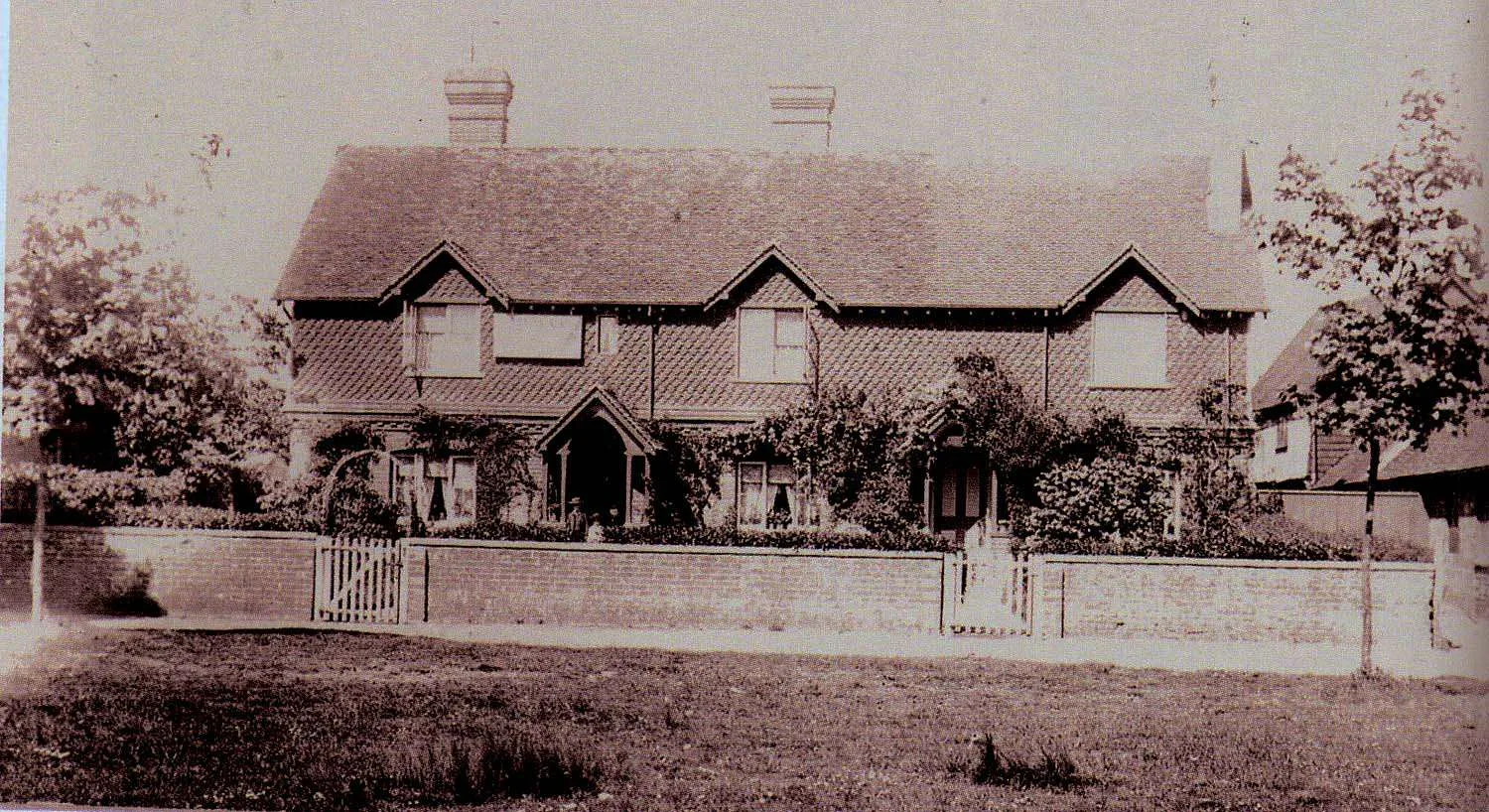
‘It is not given to many of us to plant trees and see them grow to maturity, but I can assure you that Mr A.W. Spencer of 225 15th Street NW, Calgary, Alberta, Canada, the gentleman who planted the maples, was delighted to see how they have grown, and also to have solved the maple mystery. We have promised to send Mr Spencer a copy of this Guide with our thanks.’
Well, after that, what more is there to say? Except that I suspect Mr A.W. Spencer may have laughed his Stetson hat off at the gullible residents of Cranleigh. Because, in fact, the maples go back much further than the Great War. They were part of a big improvement of the Common as far back as 1892.
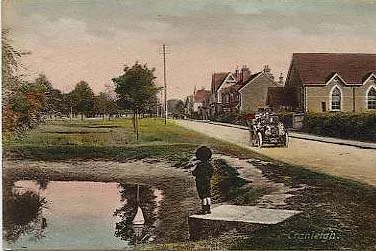
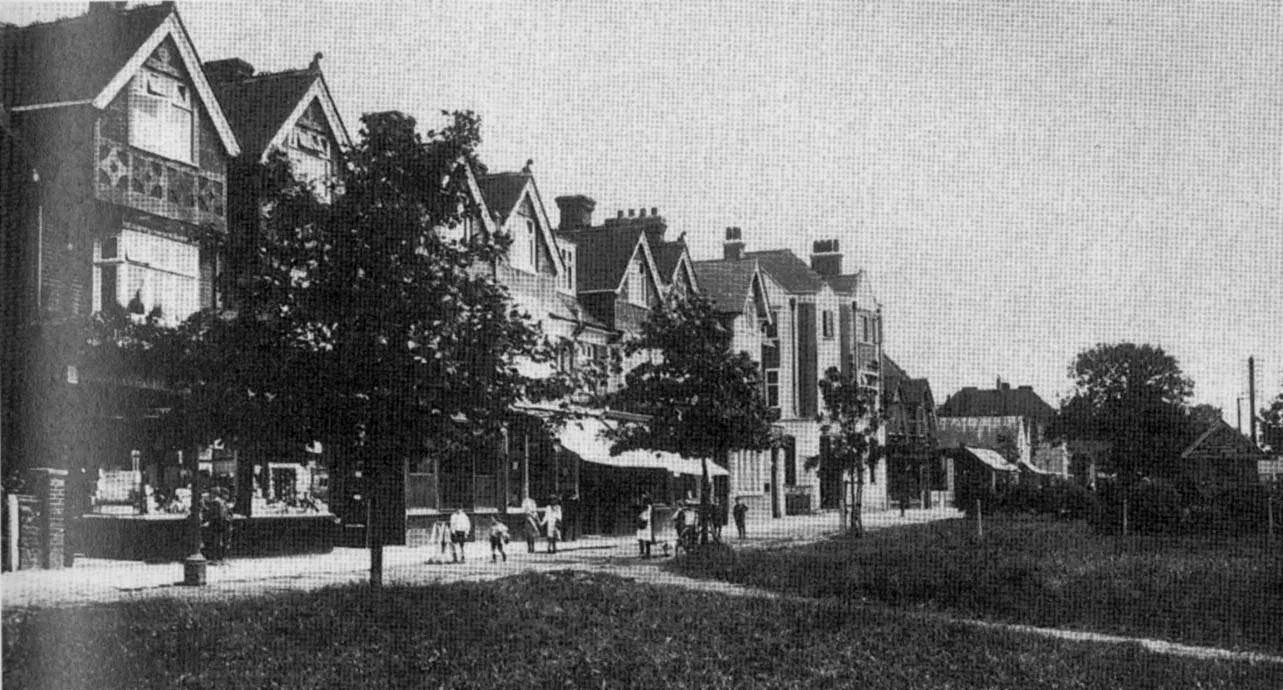
Cranleigh was on the up at the time. The unsightly Great Barn straddling the Common had been demolished in 1887, the modern Bank Buildings were under construction and there were plans for an ambitious new estate of New Park Road, Bridge Road, Woodland Avenue and the surrounding area. The Parish Magazine of August 1892 tells us that in that year trees and shrubs were planted on the Common, the drainage was improved and seats installed, the cost amounting to £93 7s 3d.
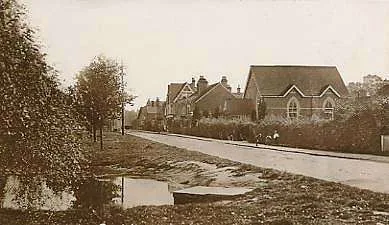
Perhaps Mr A.W. Spencer planted a few extra maple trees during the First World War when he was here, but most of the trees were already growing strongly, and if he was on the Common he would have seen them.
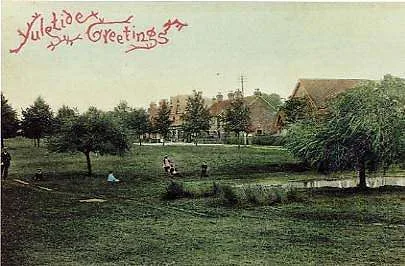
The trees were Acer Schwederii, though the Royal Horticultural Society calls them Acer Schwedlerii or Norway Maples. We can trace their growth in a series of old postcards of the Common.
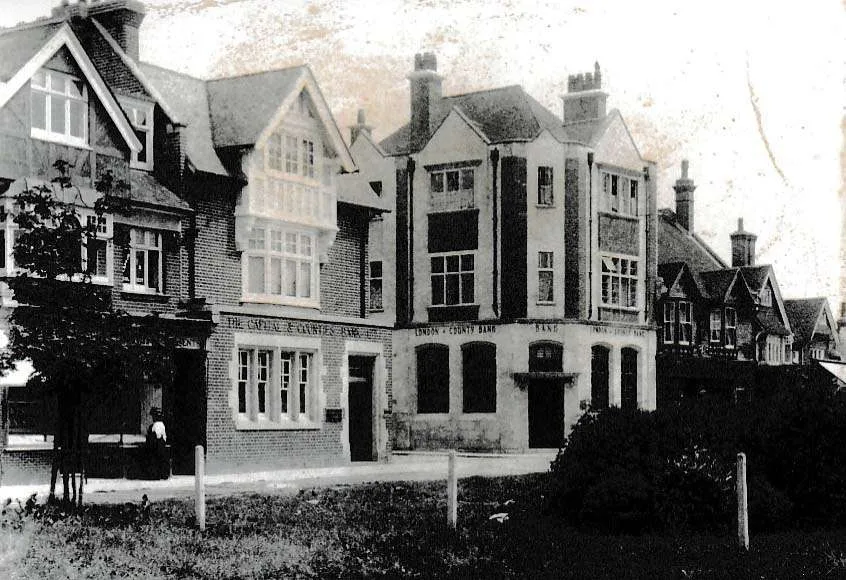
So I don’t know what Mr A.W. Spencer of Calgary, in his Stetson hat, was on about, but we have abundant evidence of the maples growing strongly 20 years before he was camping on the Common with his Canadian pals.
Why do people love myths like those we have investigated in the past few months, and cling to them, even when they are clearly wrong?
In some cases, linking the village to a person of national significance like Sir Thomas More or Oliver Cromwell gives it greater significance, perhaps. Or maybe the story is too delightful or funny (or even gruesome) to be abandoned.
I’m sorry if your personal favourite story about Cranleigh has been demolished. Maybe you have evidence to reinstate it, and if so please let us know.
The Cranleigh History Society meets on the second Thursday of each month at 8pm in the Band Room. The next meeting is on Thursday December 11th, when Tony Painter will speak on ‘The derivation of place names’.