
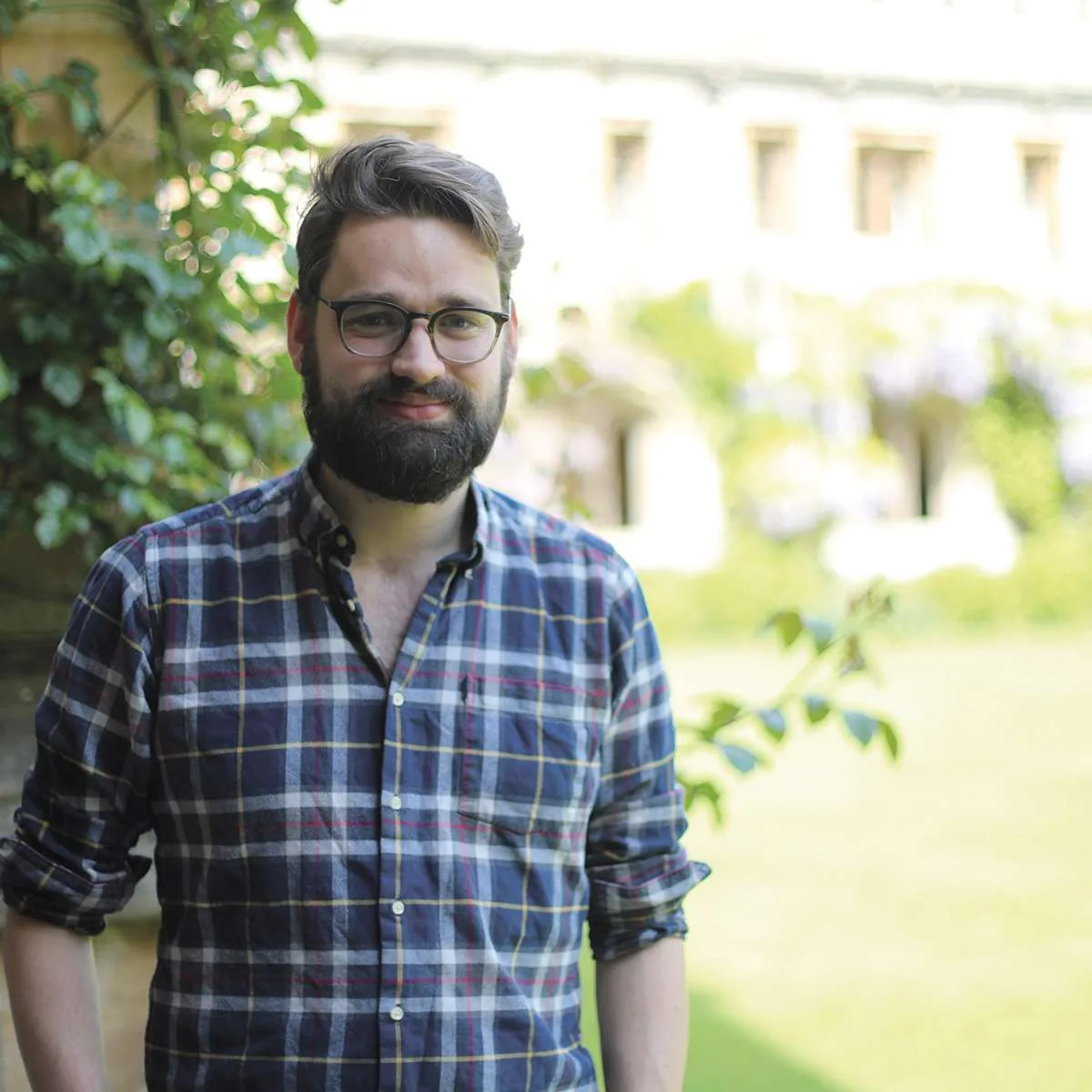
Erik Heemskerk – Curate at St Nicholas Church
I didn’t grow up imagining that one day I would be an Anglican priest, raising 3 young daughters and serving a community in a Surrey village. If you’d told 16-year-old me that this would be my life, I would probably have smiled politely and thought you had mistaken me for someone else.
And yet, looking back now, I can see how the pieces slowly, quietly fell into place.
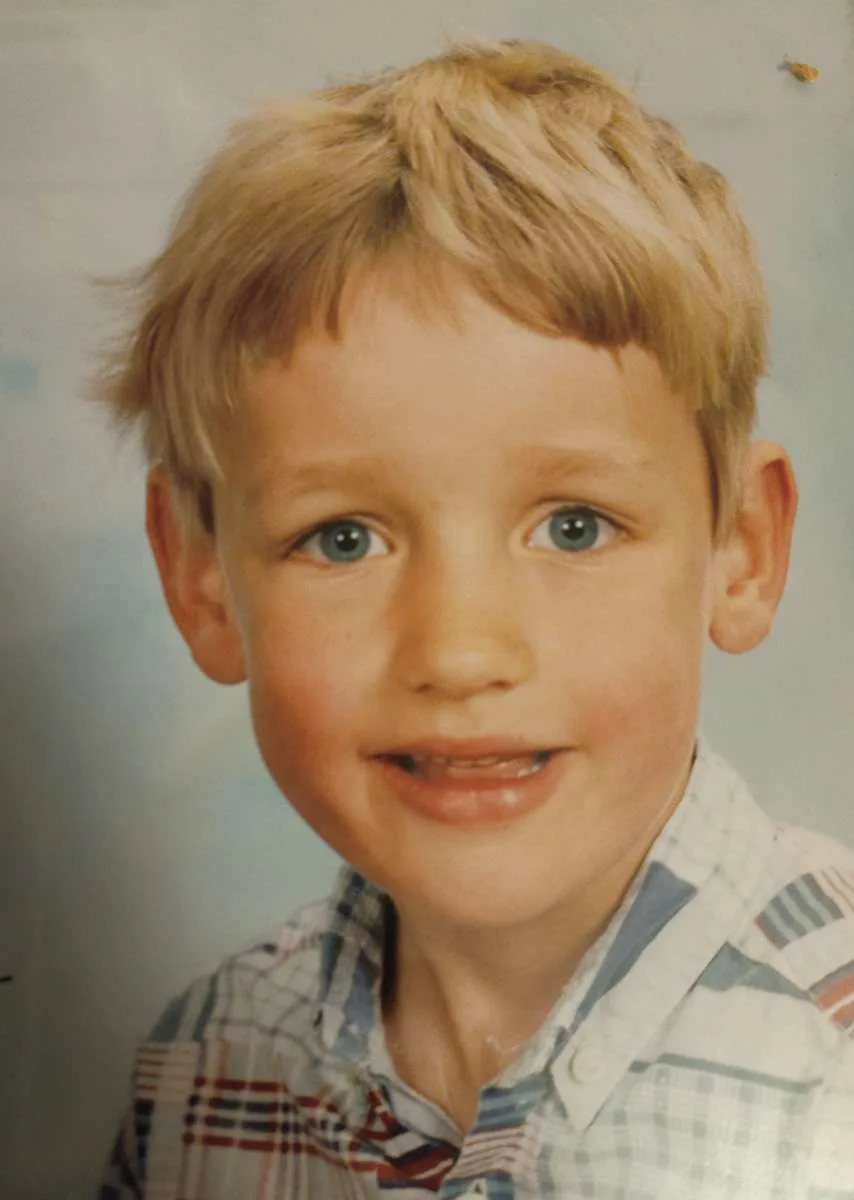
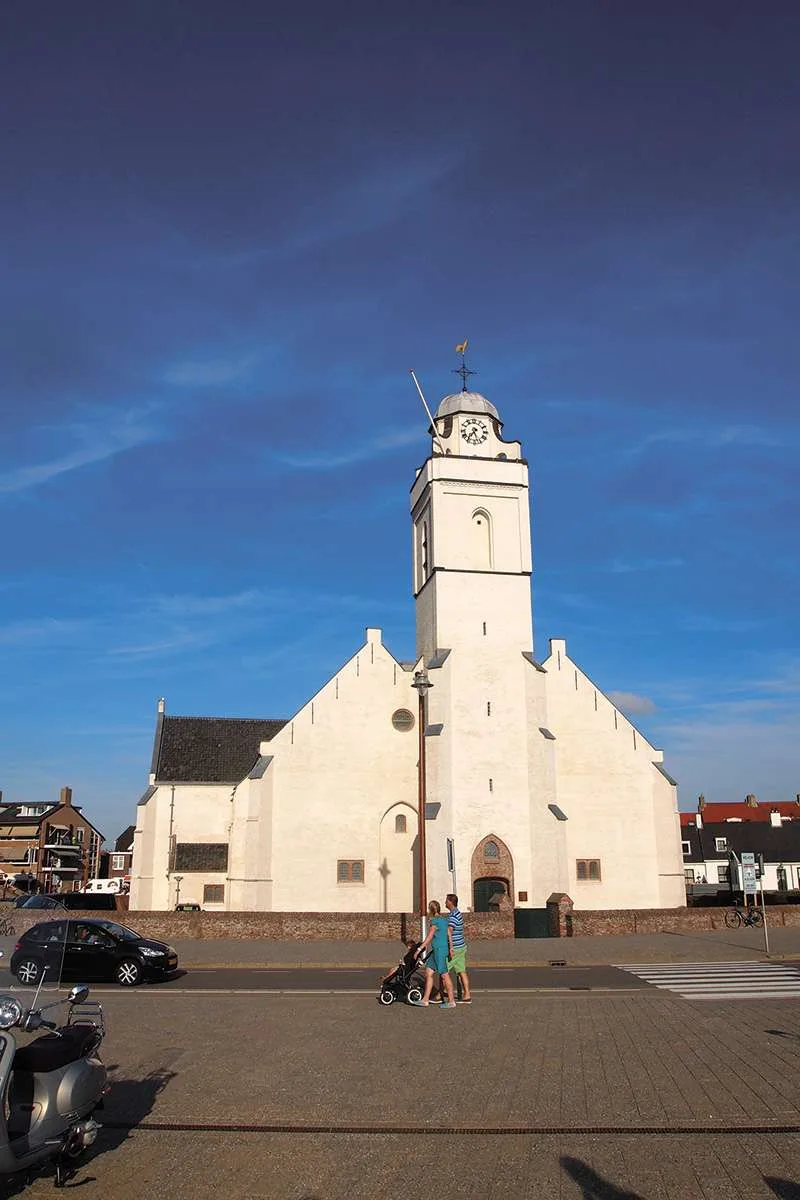
I was born and brought up in the Netherlands, the 10th of 11 children in a lively family. I grew up in a series of small Dutch villages, moving regularly because my father was a vicar. Before them, my family had been fishermen for as long as I’m aware of, living along the Dutch coast. My parents were the first to step away from that life and when my dad became a vicar, many things changed. With it came for me a childhood shaped by church communities and with faith and the church woven into everyday life.
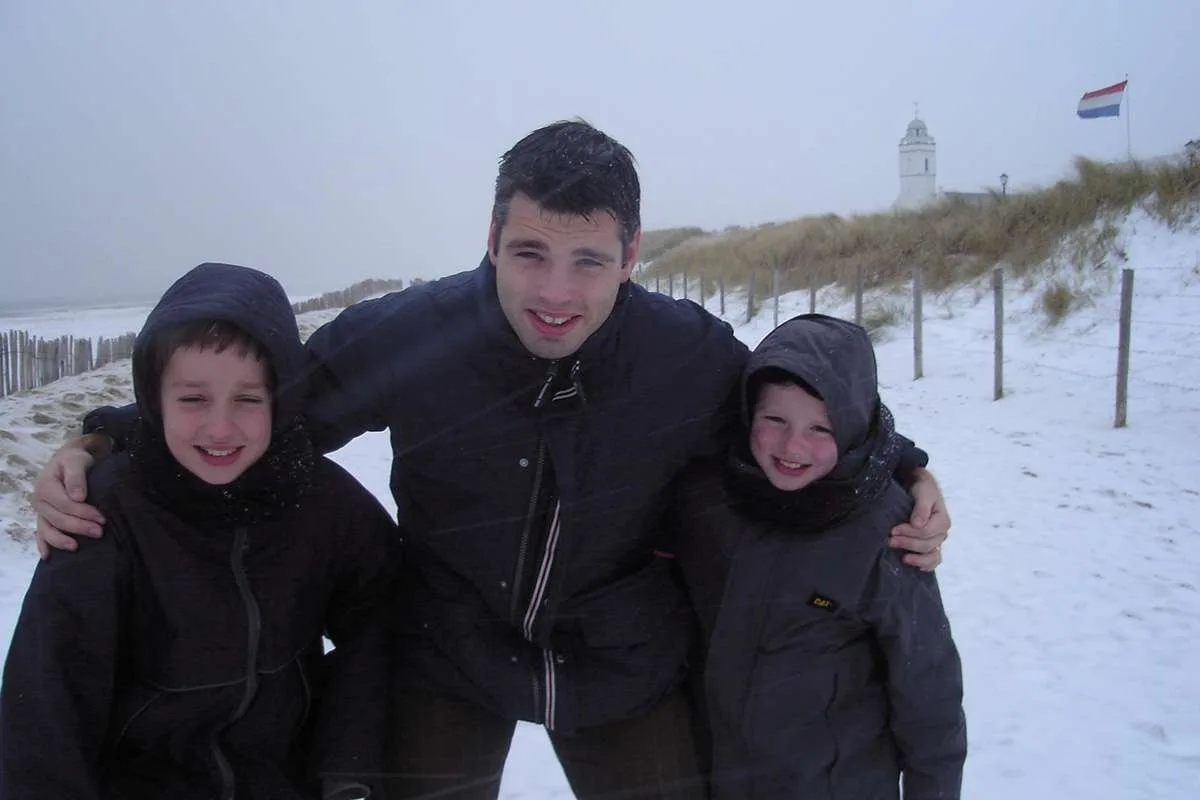
Being number 10 out of 11 means you learn early how to make yourself heard. Family life was chaotic in the best possible way: big conversations, people talking over one another, laughter, disagreement, warmth. I remember my joy and excitement when my older siblings were home. I can still picture the long kitchen table for Sunday lunch, packed with brothers and sisters and their significant others. And in the evening, sitting near the fire as one of the youngest, taking in the warmth, cosiness and sense of home.
Faith was simply part of the air we breathed. We were part of the Dutch Reformed tradition – quite traditional, close-knit, and rooted in small village life. There was a strong sense of community, of people watching out for one another, but also a certain pressure to live in a particular way. Like many children growing up in a vicarage, I “played church,” preaching mock sermons to my long-suffering siblings. At times, I felt that I would follow my father into ministry. As a teenager, that idea quietly faded into the background.
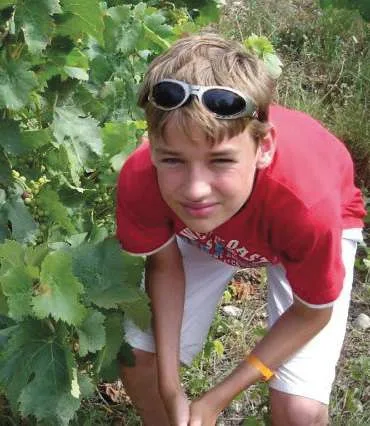
At school, I was fairly academic and naturally drawn to the humanities. I loved history, literature, politics, and anything that involved stories, ideas and people. I don’t remember one defining teacher or moment that changed everything for me, but I was always struck by people who lived with integrity – those who quietly did the right thing without drawing attention to themselves. That mattered more to me than big speeches.
When I left home to study history and law at university in Utrecht, everything changed. I moved from a quite protected environment into a large city full of new ideas, new people, and difficult questions. At the same time, I felt that the faith I had grown up with didn’t quite hold everything together anymore.
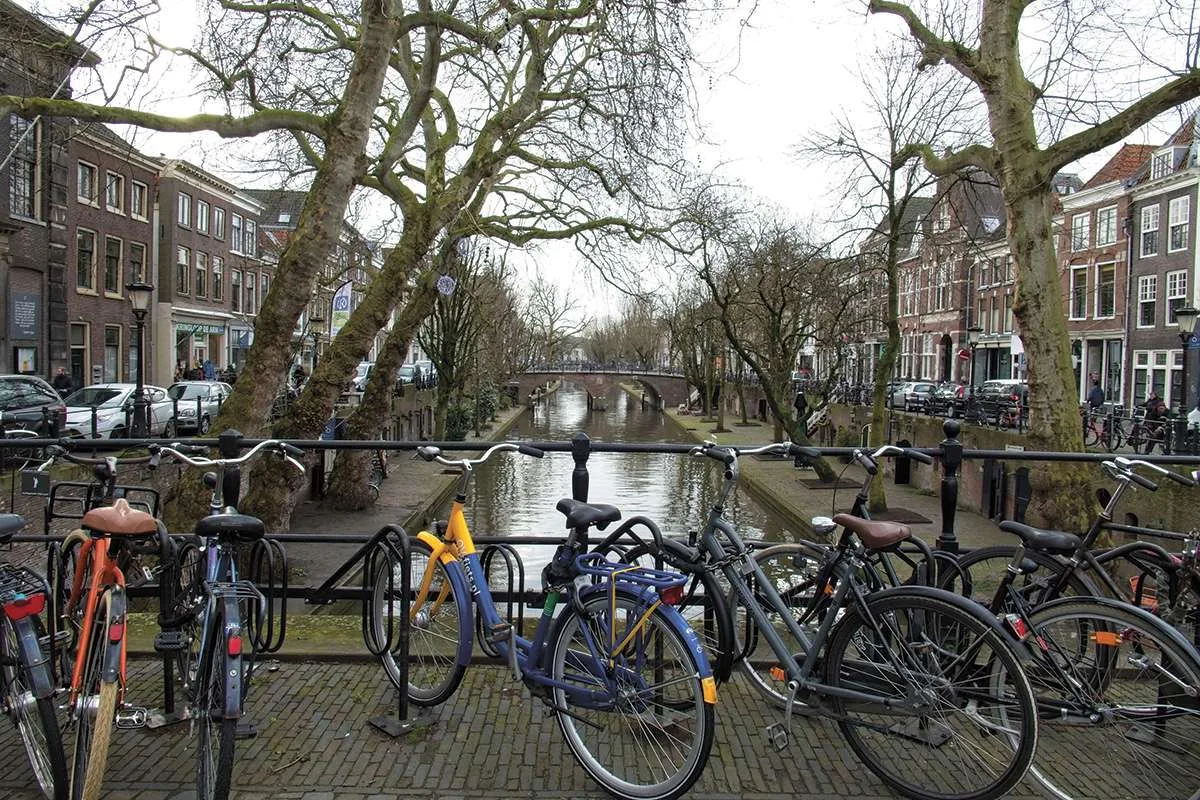
I went through a significant faith crisis. I stepped away from church entirely, frustrated and disillusioned. And yet, almost immediately, I felt a strange pull back again. If God existed at all, I realised, then that was not a question I could ignore. And I felt that there was something or someone to be found in churches that I couldn’t find anywhere else.
I was lucky in the people around me. I lived in a student house with generous, thoughtful, Christian housemates, who welcomed questions and discussion. We had endless big conversations over a few beers. At one point, I took up the ambition to explore every church in Utrecht, as a sort of experiment. I never got far on my list, because I walked into Holy Trinity Anglican Church.
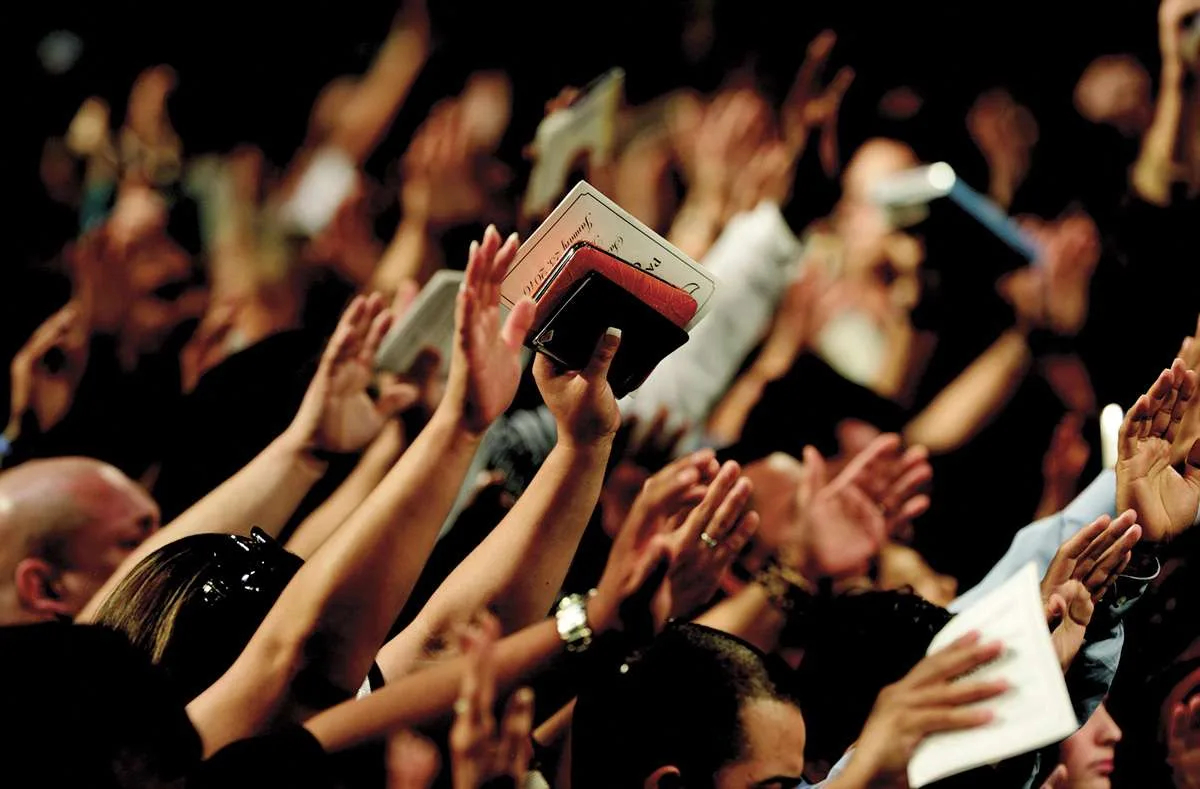
The Anglican style of worship – the liturgy, the rhythm, the space, the words – gave me room to breathe. It gave me space to question and work things out. My return to faith wasn’t dramatic or instant. It was slow, like water dripping steadily onto stone. And then one day, I realised that I believed – something inside me had quietly settled. I believe that, through the Bible, liturgy and communion, I encountered Jesus.
Once you begin to belong to a church, you inevitably begin to volunteer. I organised activities for international students. I ran Alpha courses and Bible studies. Gradually, I noticed that I was spending more time at church than on my studies, and I was far more interested in talking to people about faith than writing essays.
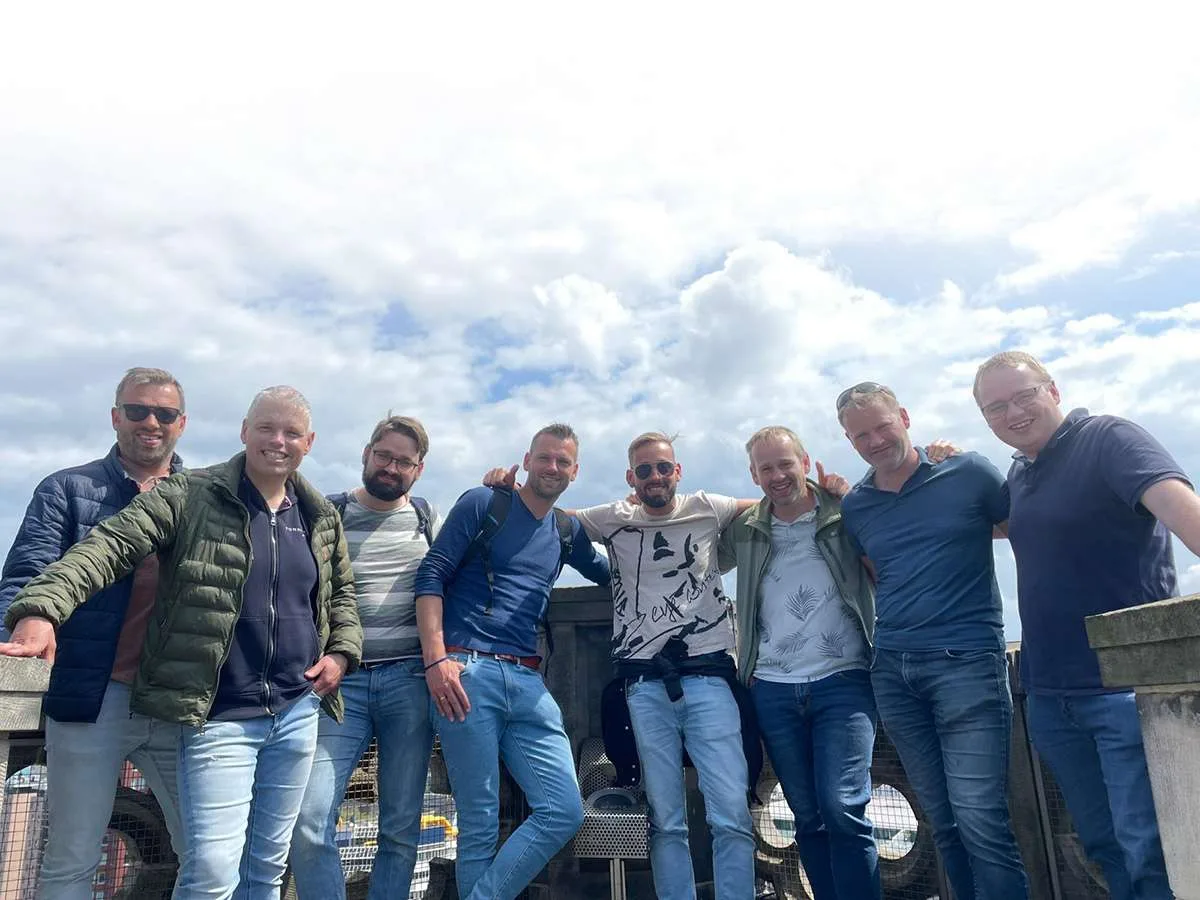
I studied International Relations at the time and had a habit of getting very worked up about global politics. I began to notice that getting upset about the problems of the world didn’t make much of a difference and made me at times insufferable to others. On the other hand, organising activities for international students and talking to people about God was very rewarding and actually made a difference. Sometimes it’s easy to get upset about the state of the world but forget about the person next to you.
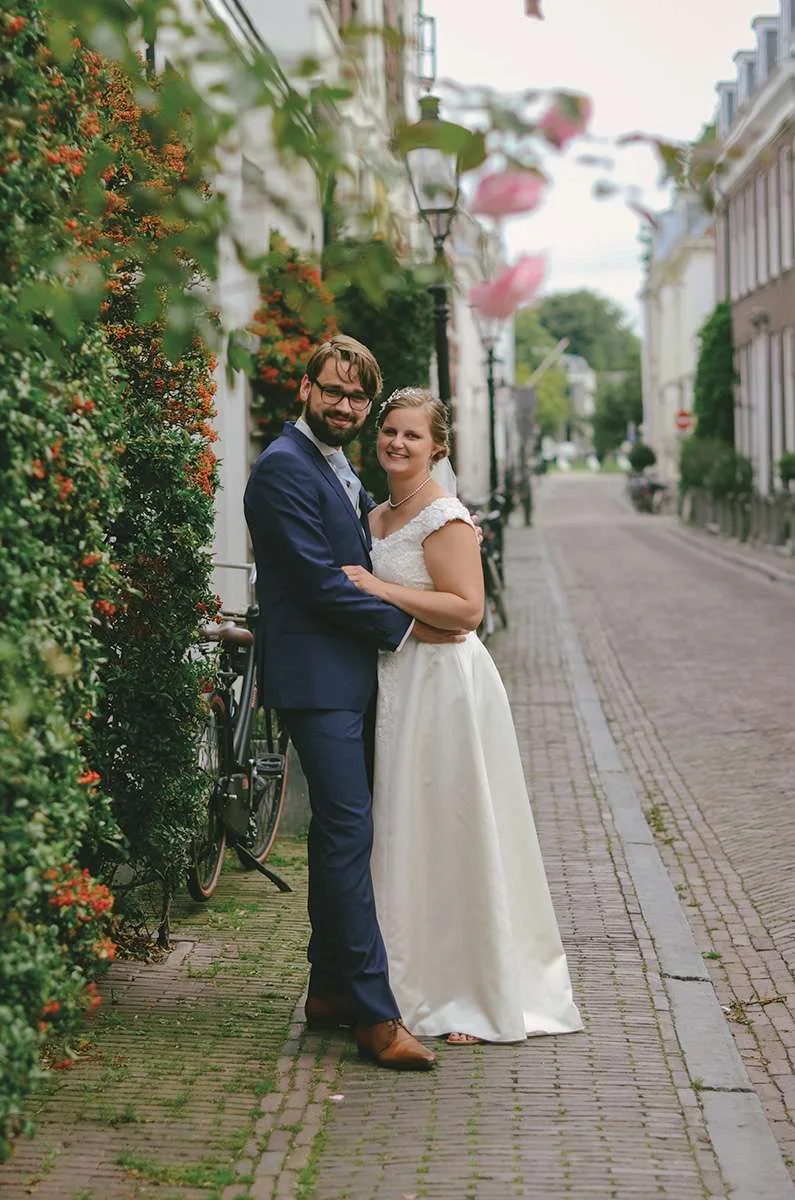
Even then, becoming a vicar wasn’t an obvious decision. It felt daunting, exposed, and far too serious. But people around me began to ask the question and my vicar asked me directly: “Do you think you are being called to be a priest?” That was the moment when a private wondering became something I had to face openly.
What struck me most was the feeling that came with it – a sense of home. Standing in church, preaching or leading worship, was terrifying at first. But beneath that was a deep, steady sense that this was where I belonged and what I was meant to do.
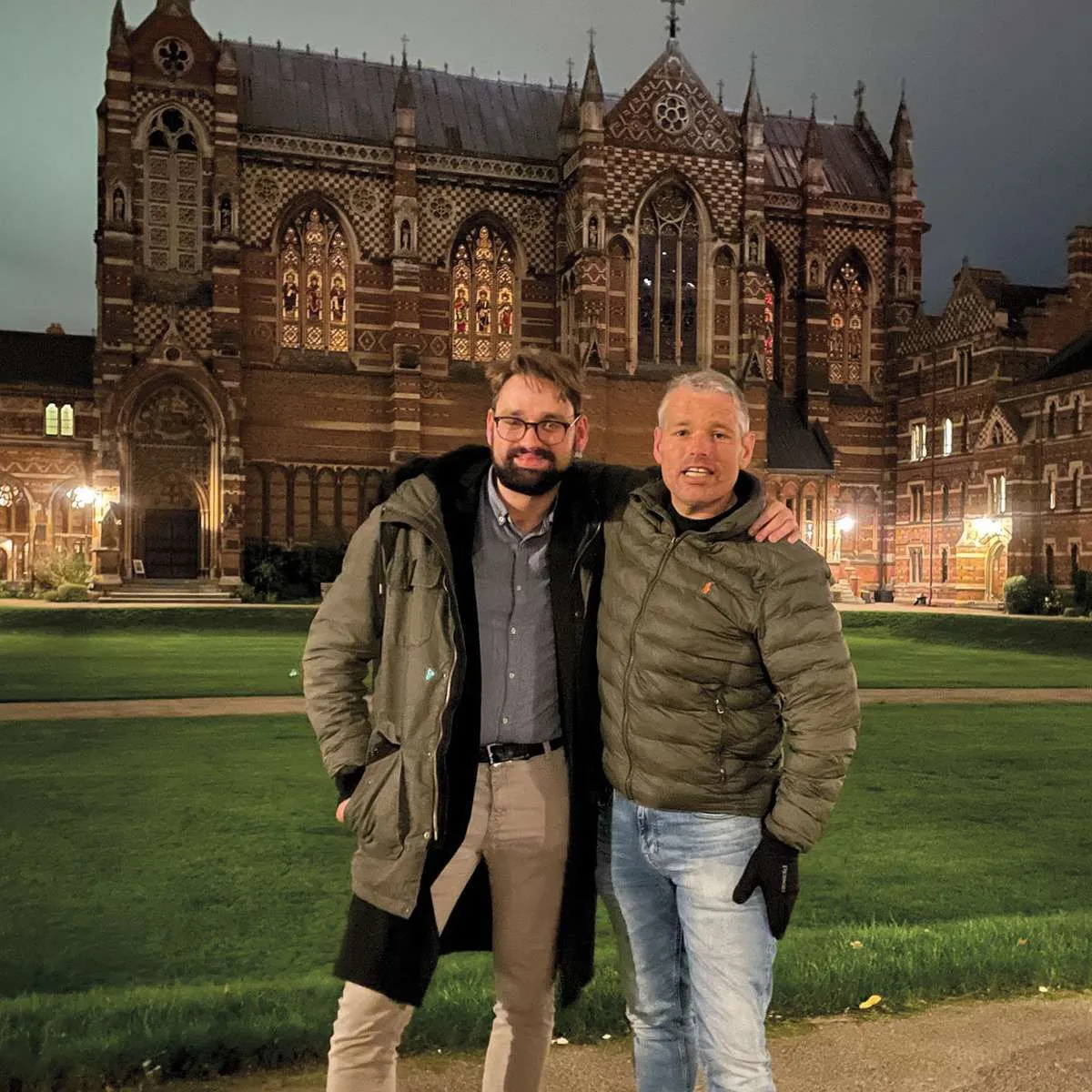
After university, I didn’t step straight into ministry. There were 2 years of working life first. My first job – a traineeship in information management – was, quite frankly, a disaster. It didn’t suit me, I wasn’t good at it, and it ended after 7 months. The second job, as an administrative assistant in a government department, was entirely different. I loved it. It was fulfilling, stable and could easily have become the first step in a long-term career in the civil service.
But even there, something was missing. It didn’t have my heart.
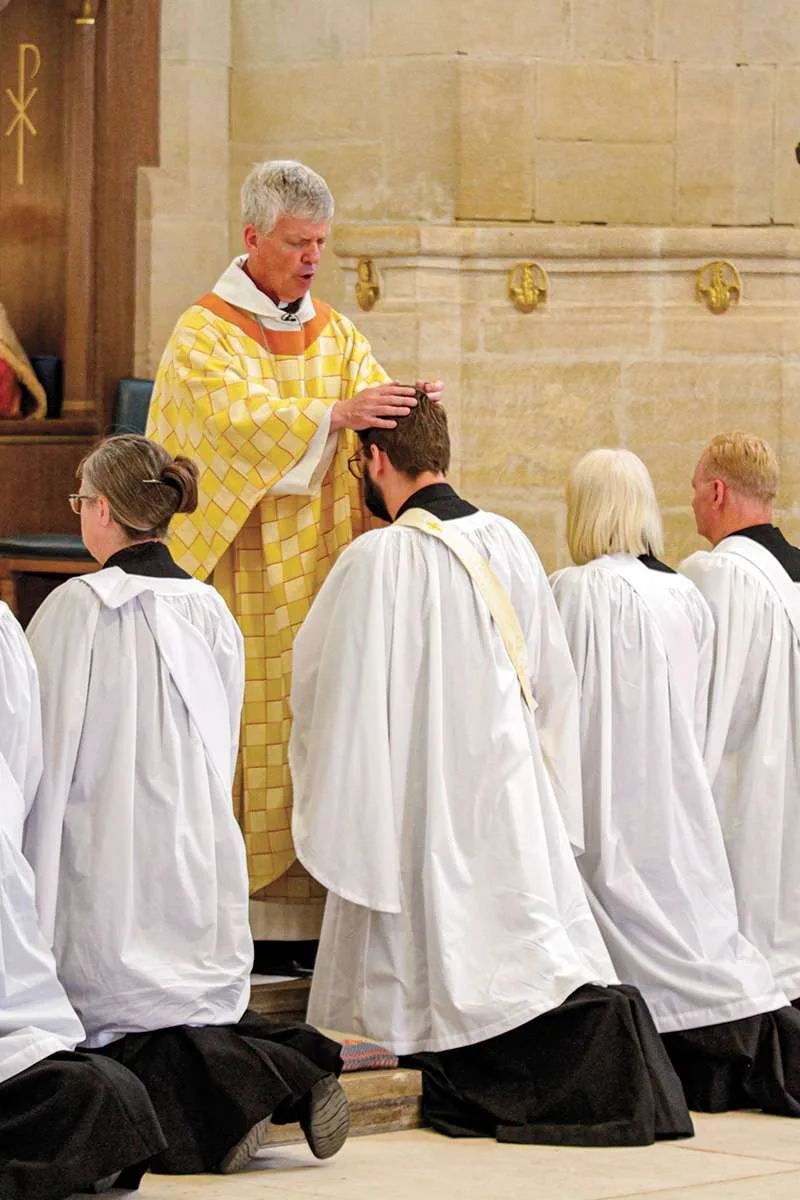
At the same time, I was going through the Church of England’s discernment process – a 2-year period of conversation, reflection, and prayer, designed to help people explore whether they are called to ordained ministry. When my manager started talking to me about a possible promotion in my civil service role, I had to confess that I was also exploring ordination. Something he, as a devout catholic, was sympathetic to. Again, there was a sense of everything falling into place. While I loved working in the civil service and had great colleagues, I knew that I was being called elsewhere. So, I said yes to ordination.
There was also a sense of things coming full circle. Years earlier, when I was 16, I had visited Canterbury Cathedral on a school trip. I was blown away by the beauty of the Evensong service. Ten years later, just before moving to England, my church internship ended with Evensong at that same cathedral. Standing there again, about to start ordination training, I felt quite emotional. Sixteen-year-old me could never have imagined this moment – and yet here I was.
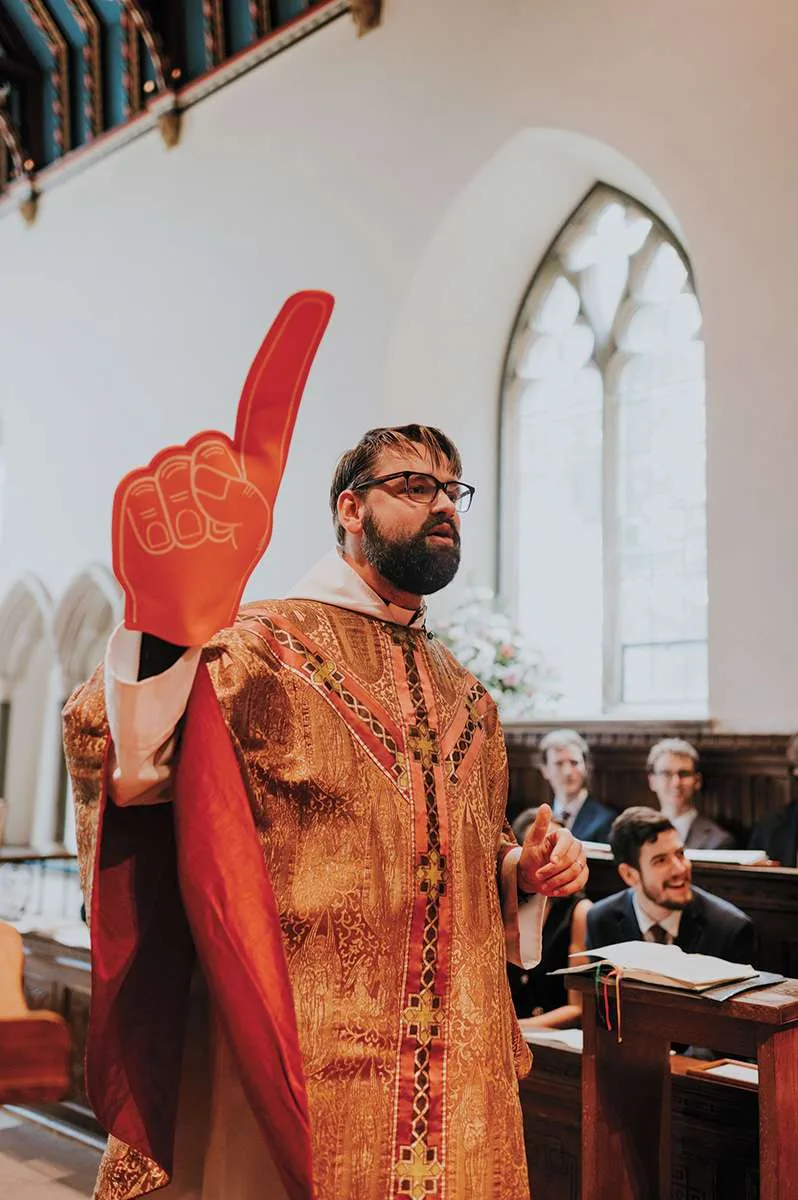
Training took me to Oxford for 4 years – a formative time, both theologically and personally. During that period, my wife and I welcomed twin daughters, right in the middle of the COVID pandemic. It was joyful and also very challenging. Having our family across the Channel and restrictions in place was hard, especially for someone as extraverted as I am.
Being Dutch and becoming an English vicar is not the most obvious path. But again and again, it has felt like being in the right place.
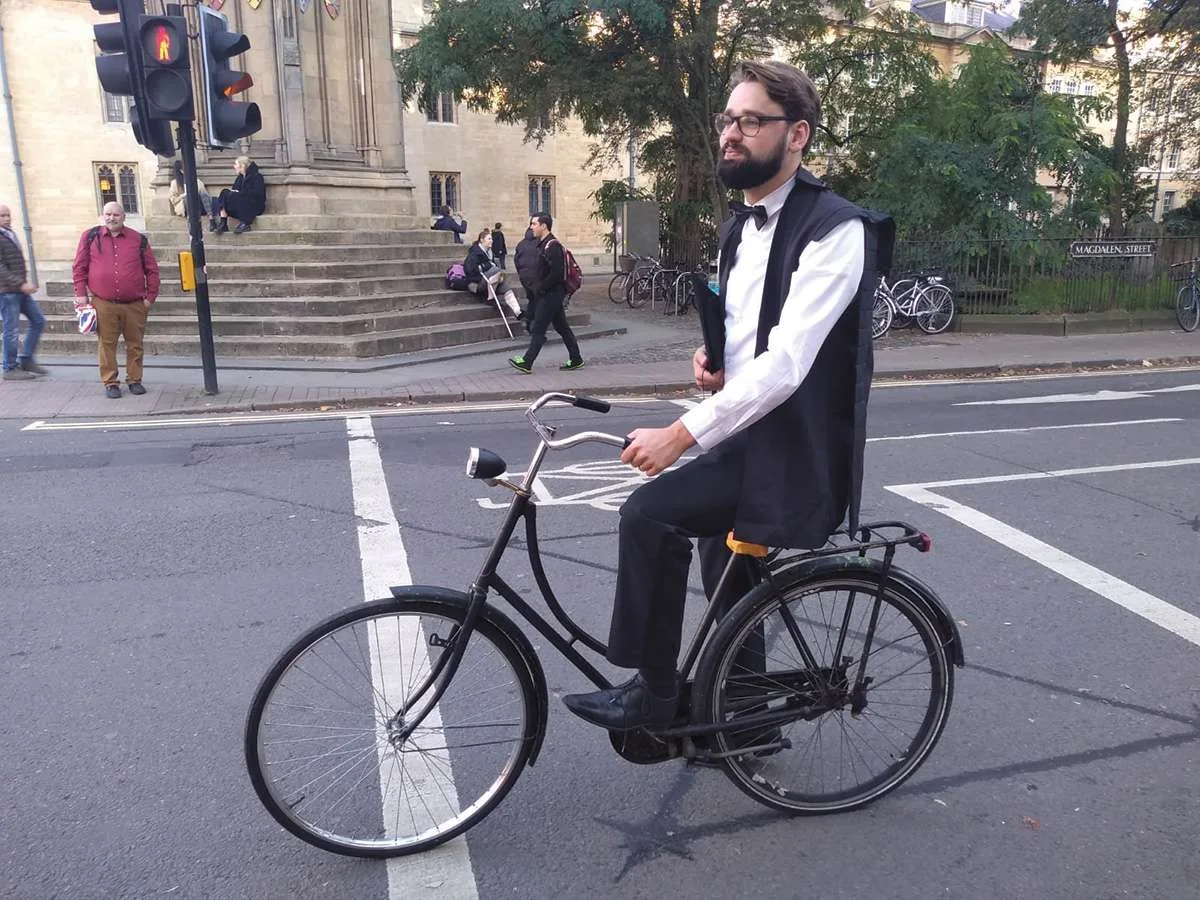
My first post brought us to Cranleigh. The village welcomed us warmly and we’ve loved being part of the village and church community. When our youngest daughter was born here, the kindness of the community was overwhelming – gifts, meals, messages, offers of help and generosity.
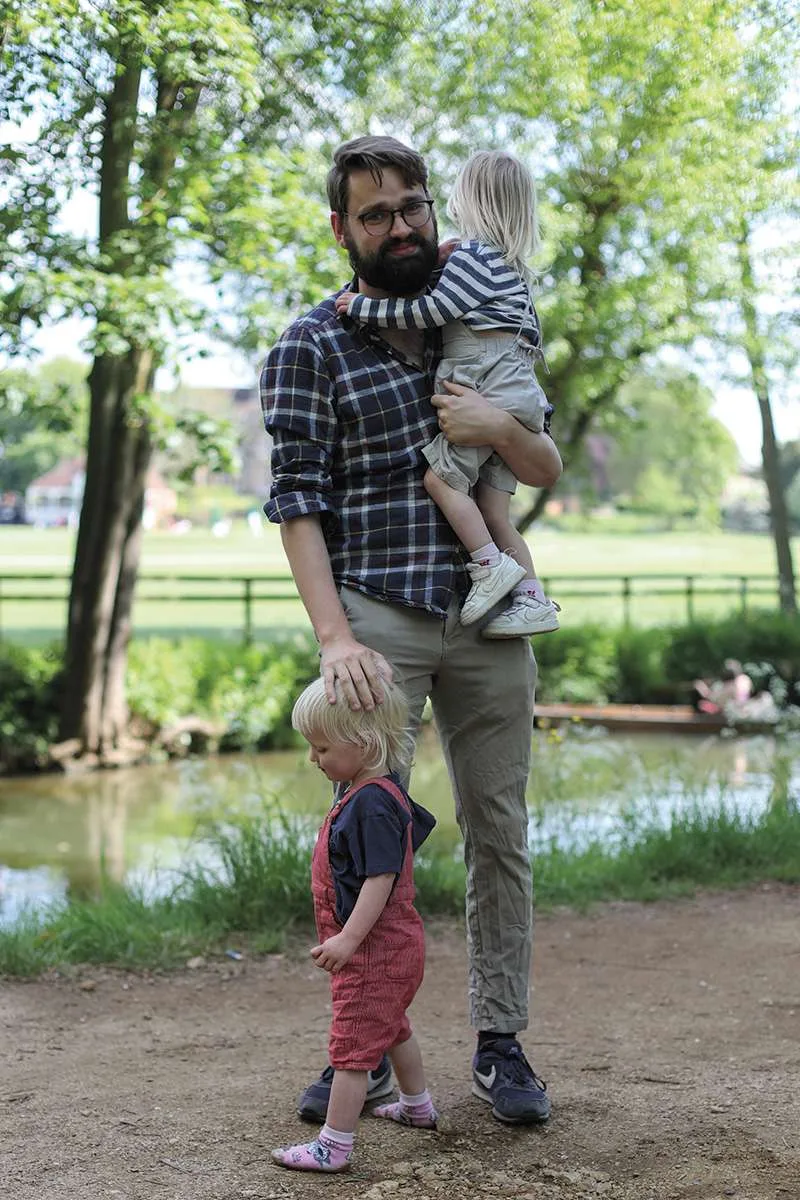
Life is busy. We now have 3 daughters – twins who are 5, and a 1-year-old toddler. With another move on the horizon this year, we’ve chosen to homeschool, led by my wife. She has been the most wonderful support and companion from the very start, and it’s been a journey which we have always worked out and done together. I don’t think I would have gotten very far without her.
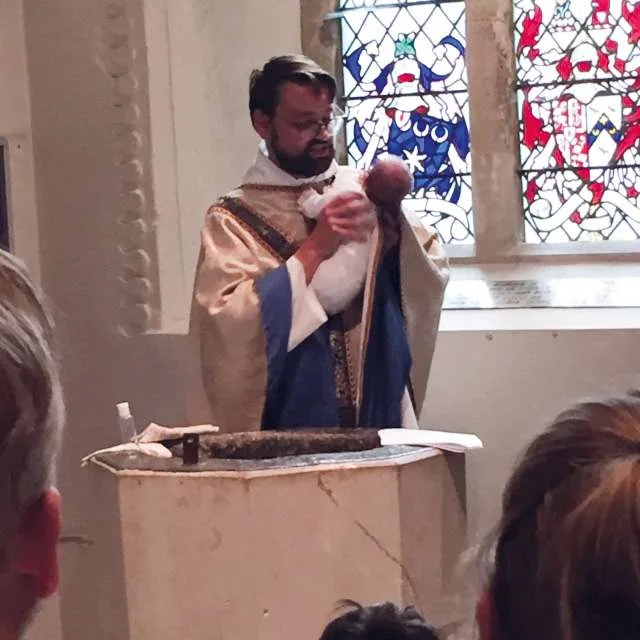
There have been highs and lows. Losing my oldest brother to cancer while just having moved to Cranleigh was devastating. There have also been many moments of great joy: baptising new Christians, seeing people come to faith for the first time, baptising my own child, celebrating weddings and being with families in moments that truly matter.
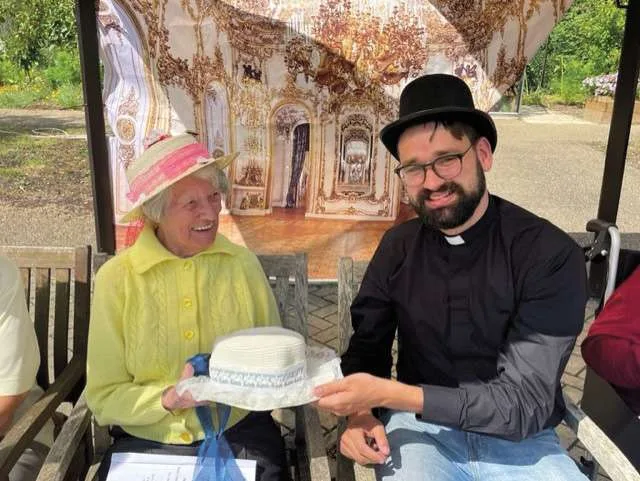
There are lighter moments too. Being invited to judge the “best Edwardian hat” at Cedar Court Care Home made me feel like a proper village vicar. And I learned very quickly that in Cranleigh, people have strong opinions about Christmas jumpers. Apparently, mine wasn’t silly enough. Thankfully I was able to rectify that soon.
I have no regrets about becoming a priest. I love my work. I love stepping out of my door and being in the parish I am called to serve. I love running into people in the High Street and chatting to them. I love having good discussions with people about the Christian faith, what it means and whether it is reasonable. And I love being with people in the big and the small moments of their life.
If I’ve learned anything about vocation, it’s this: it is rarely loud. It is usually quiet, gradual and persistent. It grows as you listen to where your heart keeps returning and work it out with others.
Not everyone is called to make their passion their job. Sometimes work pays the bills and meaning is found elsewhere in volunteering, hobbies or family life. But if your heart isn’t in what you’re doing, it’s worth having that first conversation. Vocation is usually a long journey, so you may as well get started now.
I believe everyone is called. At St Nicolas we have people who have been ordained or are exploring ordination after first following a completely different calling or career. There are also many people who are called to something else. For me calling is about finding your place in God’s great plan for all of us, and therefore involves every part of life, from humanities to rocket science, from caring for your children to office work, from putting your bins out to chatting to your neighbour.
For me, faith is what keeps me going. I believe in God. I believe in what I do. And I believe it makes a difference. At heart, I simply want to contribute something good to the community around me.
For me, it was never one big moment. Just going step by step. And sometimes, that’s exactly how you find where you fit in.
For more information about St Nicolas or to chat, please drop Erik a line ([email protected])