

by Penny Lynch
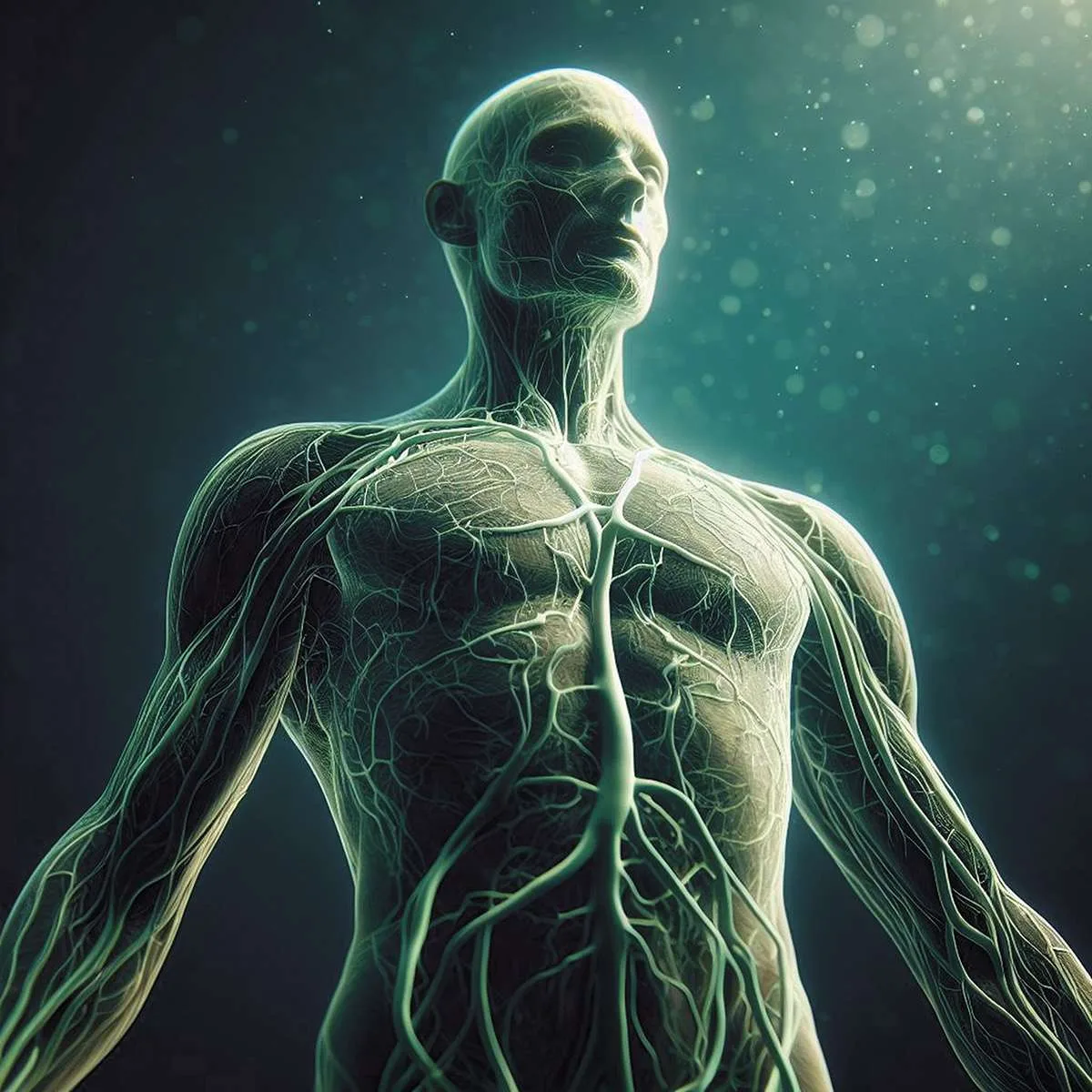
When we think about health, we might focus on the heart and blood circulation. But running quietly alongside it is another vital system that rarely gets a mention, the lymphatic system. It doesn’t have a pump, and it doesn’t get much credit, yet it plays a huge role in keeping us healthy.
Lymph is a clear, watery fluid that flows through a network of vessels and nodes around the body. It’s formed from fluid that leaks out of our blood vessels into our tissues. Instead of being wasted, this fluid is collected as lymph and returned to the bloodstream. Along the way, it carries waste products, excess fluid, bacteria and viruses to lymph nodes, which are small filtering stations found in places like the neck, armpits and groin.

Those lymph nodes are part of your immune system. They’re packed with white blood cells that help recognise and fight infection. When you have swollen glands during a cold, that’s your lymphatic system working hard to help you recover.
Unlike blood, lymph doesn’t have a heart to keep it moving. It relies almost entirely on us. Muscle movement, breathing and changes in pressure in the body gently squeeze lymph through its vessels. When we’re active, lymph flows well. When we’re sedentary, it can slow down, which may contribute to feelings of heaviness or sluggishness.

So, what gets lymph moving?
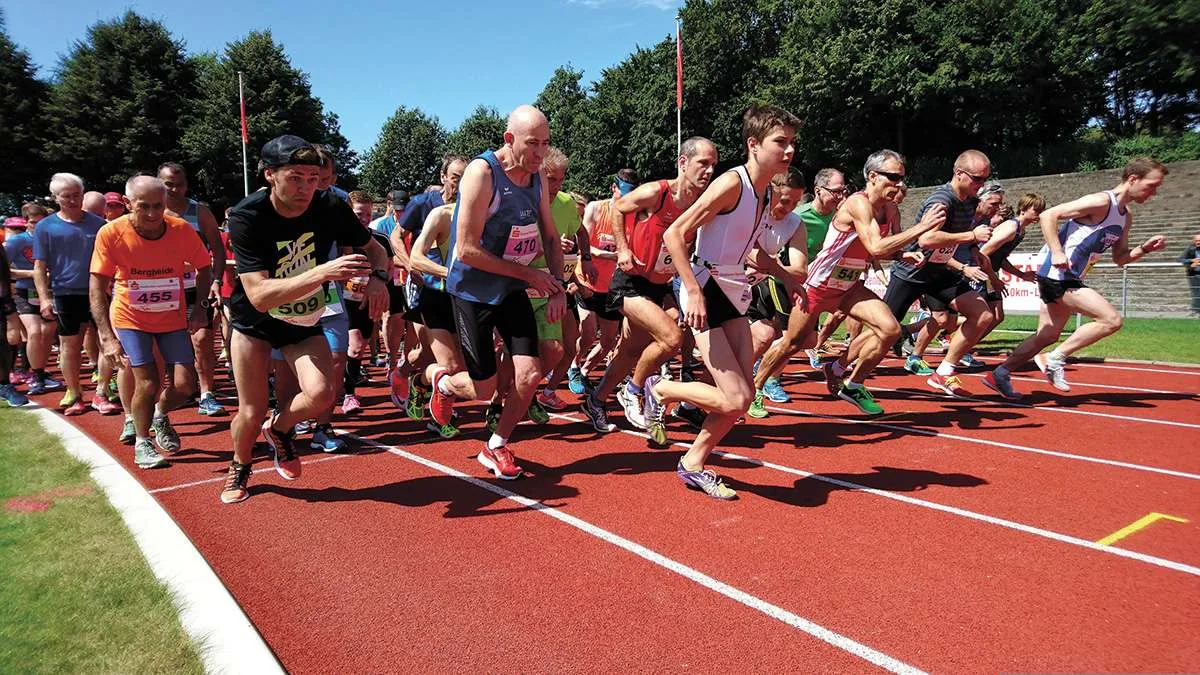
Movement. Walking is excellent, even gentle strolls help. Running, swimming, cycling, gardening and dancing all encourage lymph flow by repeatedly contracting muscles. Simple things like stretching, squatting or going up and down stairs can make a difference.
Deep breathing. The diaphragm acts like a pump, creating pressure changes that draw lymph upwards. Taking a few slow, deep breaths can be surprisingly effective.
Hydration matters. Lymph is mostly water, so drinking enough fluids helps it stay mobile. Dehydration can make lymph thicker and slower to move.
Gravity and posture. Changing position regularly, avoiding sitting for long periods, and putting your feet up now and then can all support healthy lymph flow.

When lymph doesn’t flow properly, problems can build up. Fluid collects in the tissues, leading to swelling (often in the ankles, legs or hands), a feeling of heaviness, or puffiness around the eyes. Because lymph helps remove waste and supports the immune system, sluggish flow can also leave us feeling tired, achy and prone to minor infections. Over time, poor lymph flow can contribute to inflammation and slower healing.
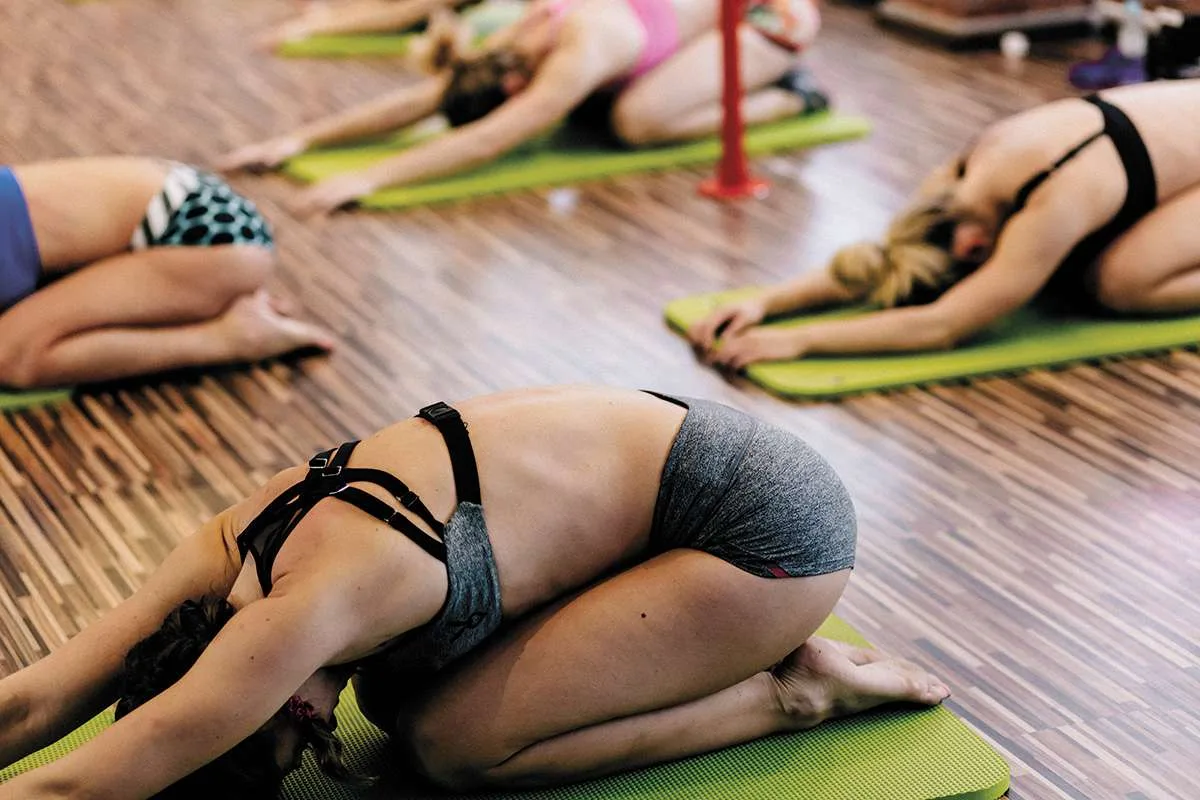
So, the lymphatic system may be quiet, but it’s powerful. By moving our bodies, breathing deeply and staying well hydrated, we can give this unsung system exactly what it needs and support our immune health at the same time.