
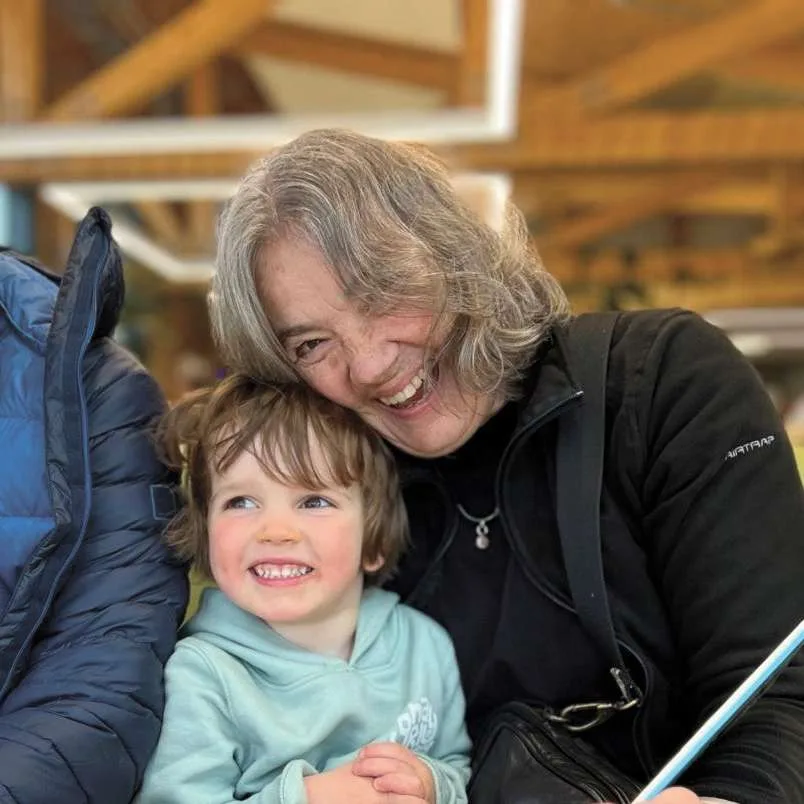
Rosslyn Doney, Food Bank Co-ordinator, on faith, community and the quiet courage it takes to begin.
I was born at the old St Luke’s Hospital in Guildford, but my earliest memories are rooted firmly in Godalming, at the Milford end, where I grew up as an only child. My parents and I lived in a house they had built in Hawthorne Road and from the start we were a very close unit. Family life revolved around being outdoors, being active and being together. We had animals, spent time on the water, went to church regularly and shared life in a way that felt safe and solid. That sense of closeness mattered because from a young age, my life was anything but settled.
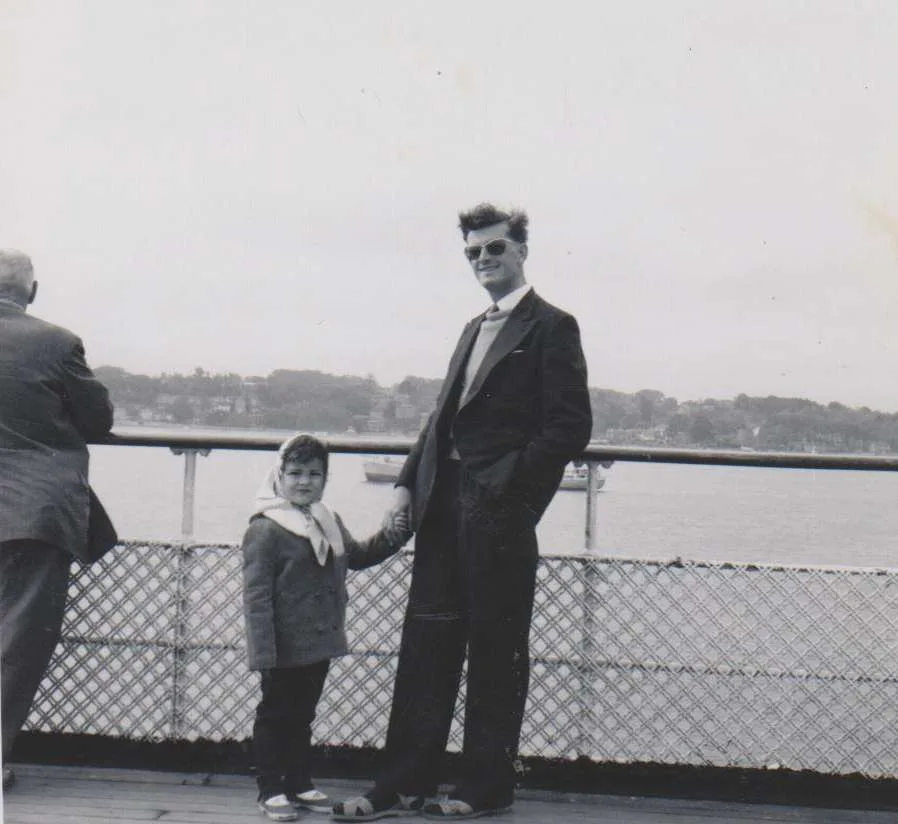
When I was 4 my father’s work took us to America. He specialised in inflatable marine safety equipment and over the years, his expertise meant that we moved repeatedly. From life rafts, escape slides to life jackets; if you’ve ever been on a plane or a boat in past decades, there’s a fair chance my dad had something to do with the safety equipment onboard.
Our first American home was in West Virginia, deep in the mountains, in a mining and logging town so isolated that you had to drive 35 miles in either direction to reach anywhere else. It was the early 1960s, and the community was extraordinarily cut off from the wider world. Someone once asked my mother how I’d learned English so quickly! A comment that still makes me smile. I have fond memories of their open welcome and kindness.
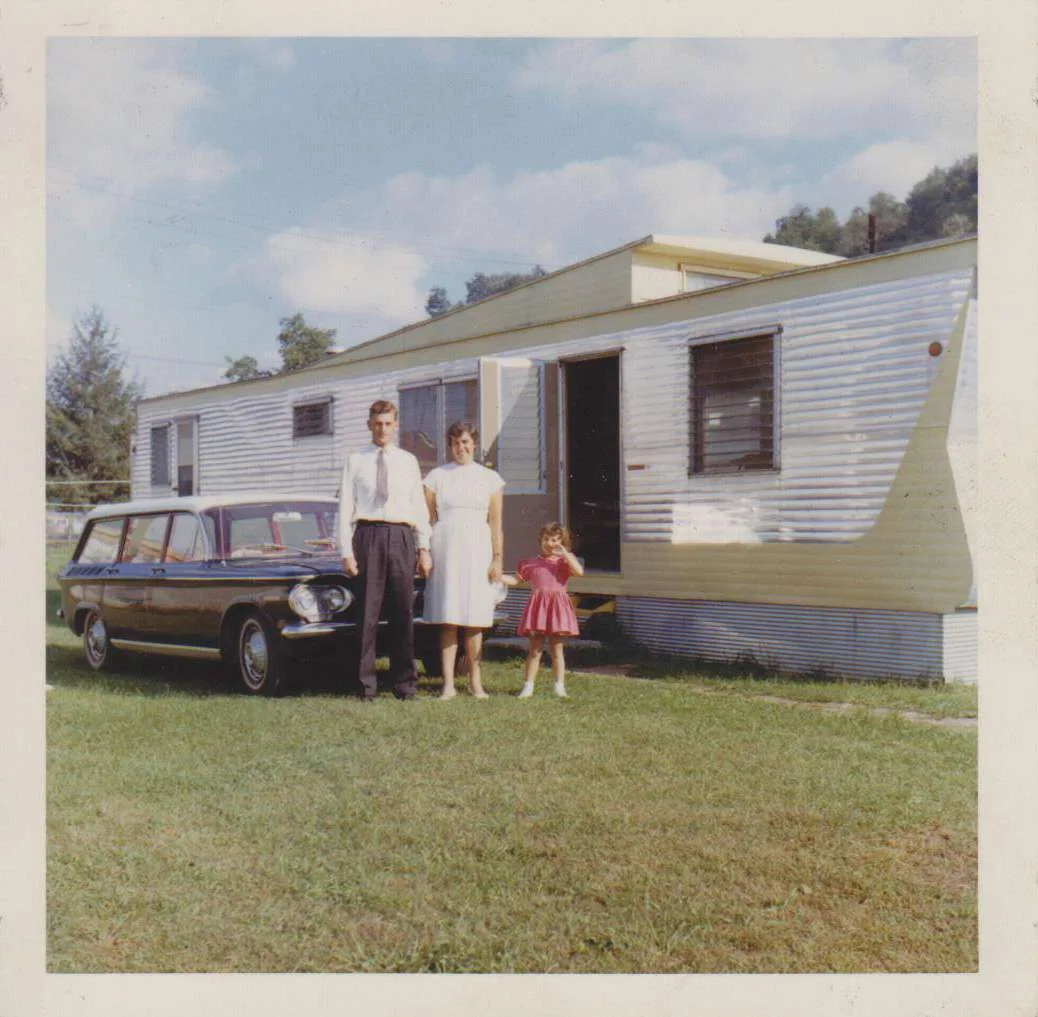
Because we knew we were only there temporarily, my mother home-educated me during that time. I turned 6 just before we returned to England and when we came back, I went to school in Milford. Those early years taught me flexibility and trust. My parents were my constants, my anchors.
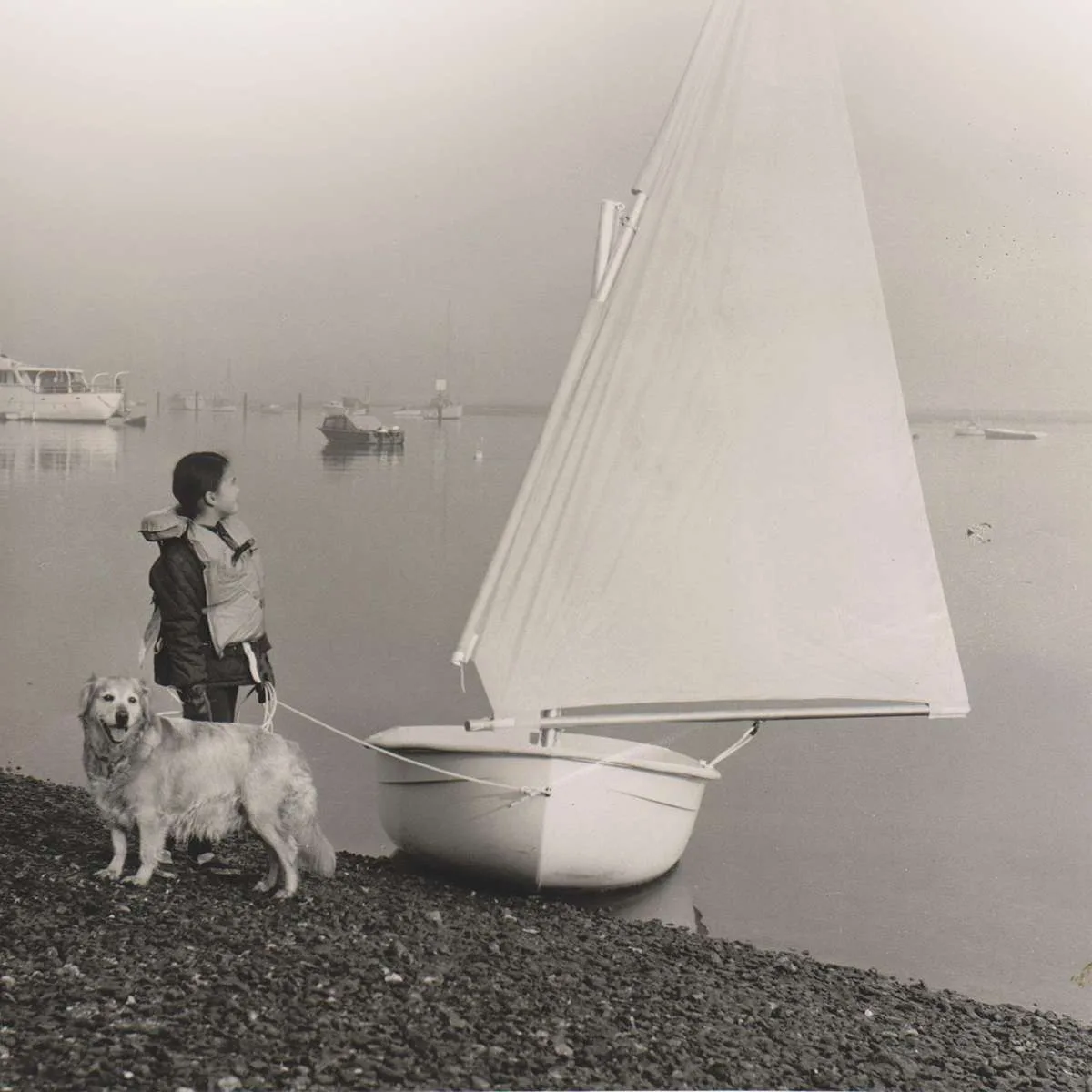
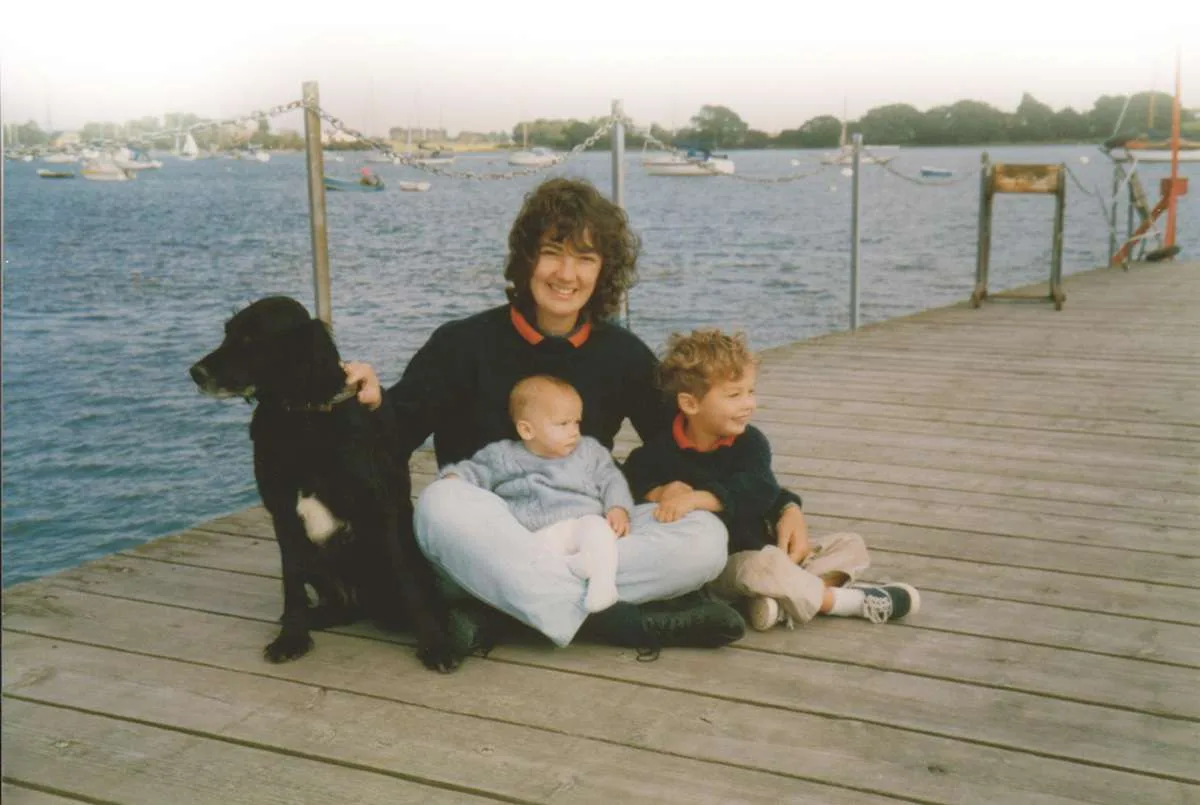
I had a happy childhood. My father was a keen sailor and fitted out a boat in our front garden before towing it down to Chichester Harbour. We crossed to the Isle of Wight regularly, where our relatives lived and spent long days there on the water. My father worked from home a great deal, which meant that family life felt tightly woven together.
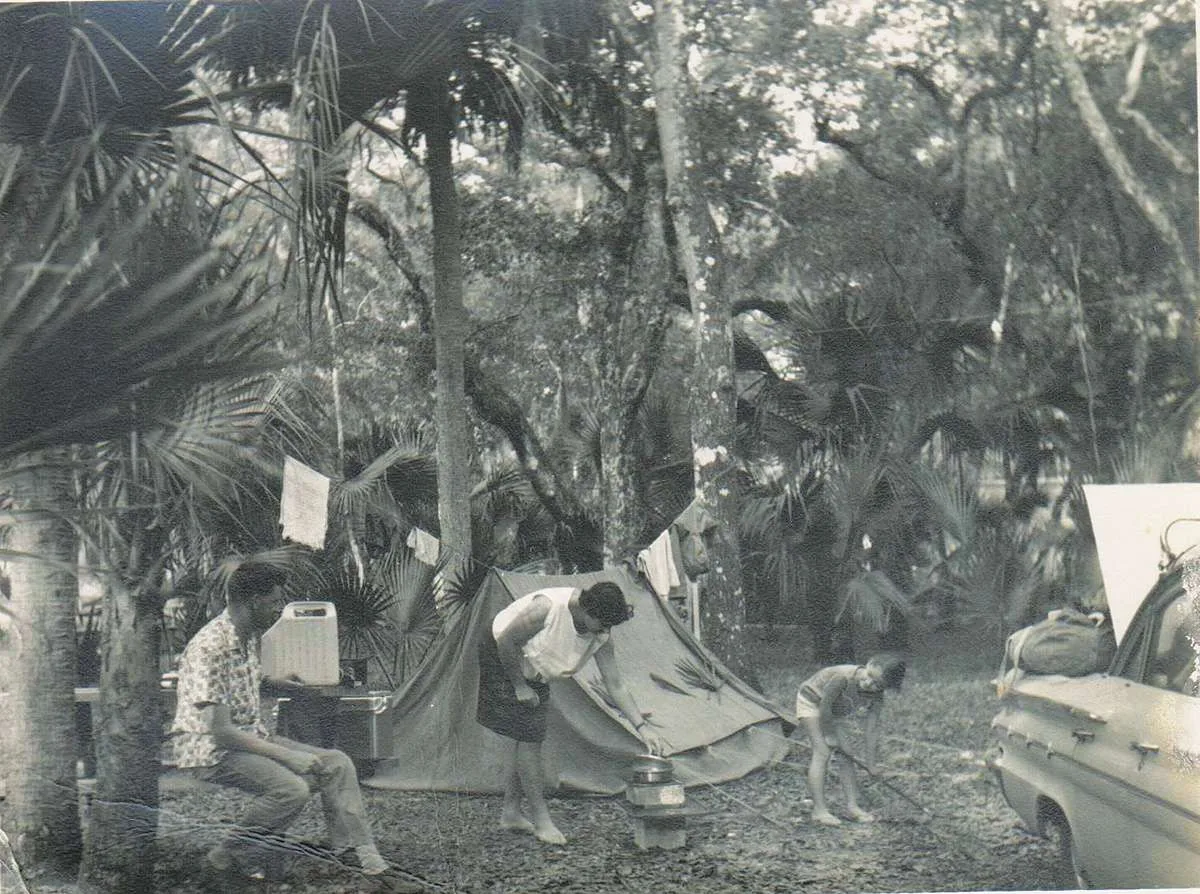
When I was 11, we moved back to America again. Once more my father had been headhunted for his expertise. This time we lived just outside New York City, which was a shock to the system after rural England, before moving to southern New Jersey, which was much more country-like. I still remember arriving in November, when it was bitterly cold and my mother hanging out the washing, as she always had. When she returned to collect it, the clothes had frozen solid and snapped, tearing holes straight through my father’s shirts. After that, winter washing was dried indoors!
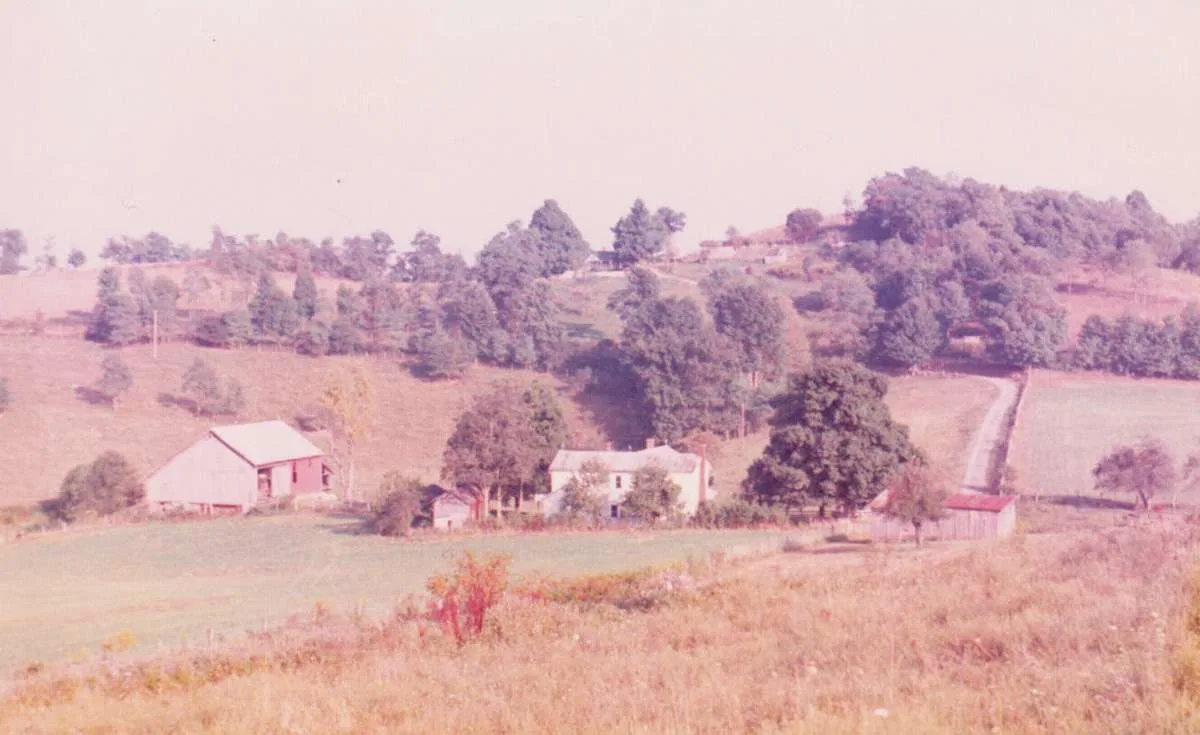
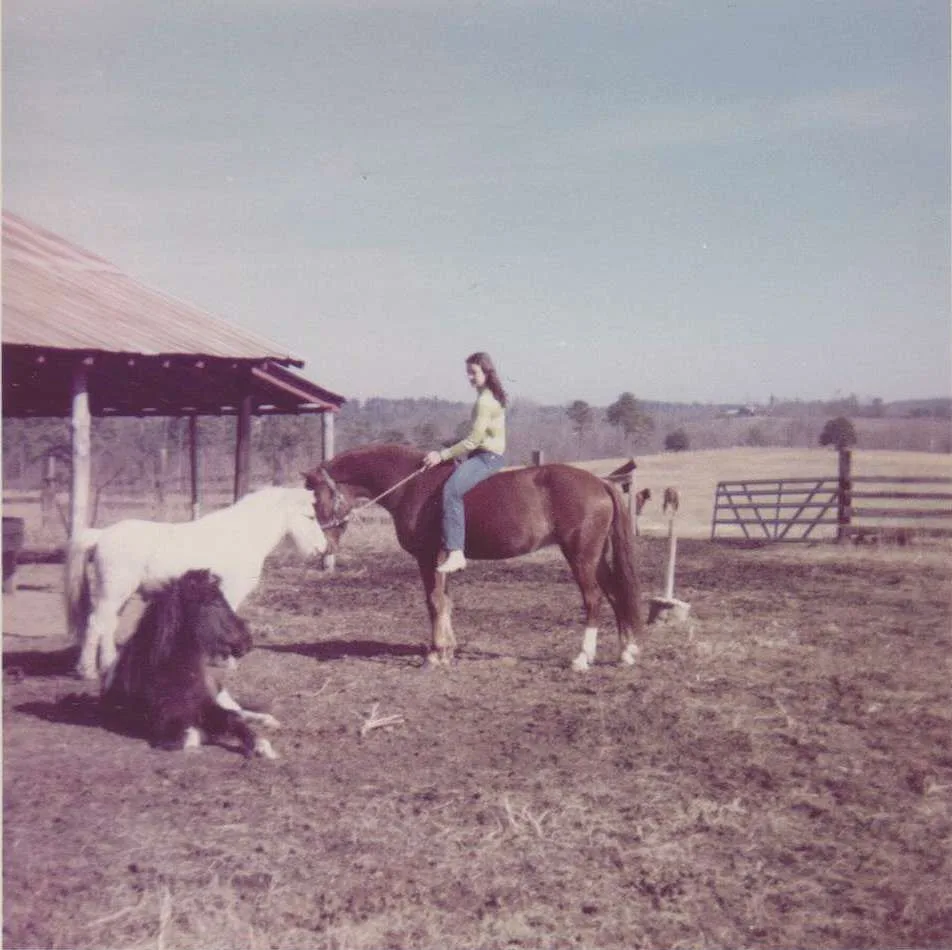
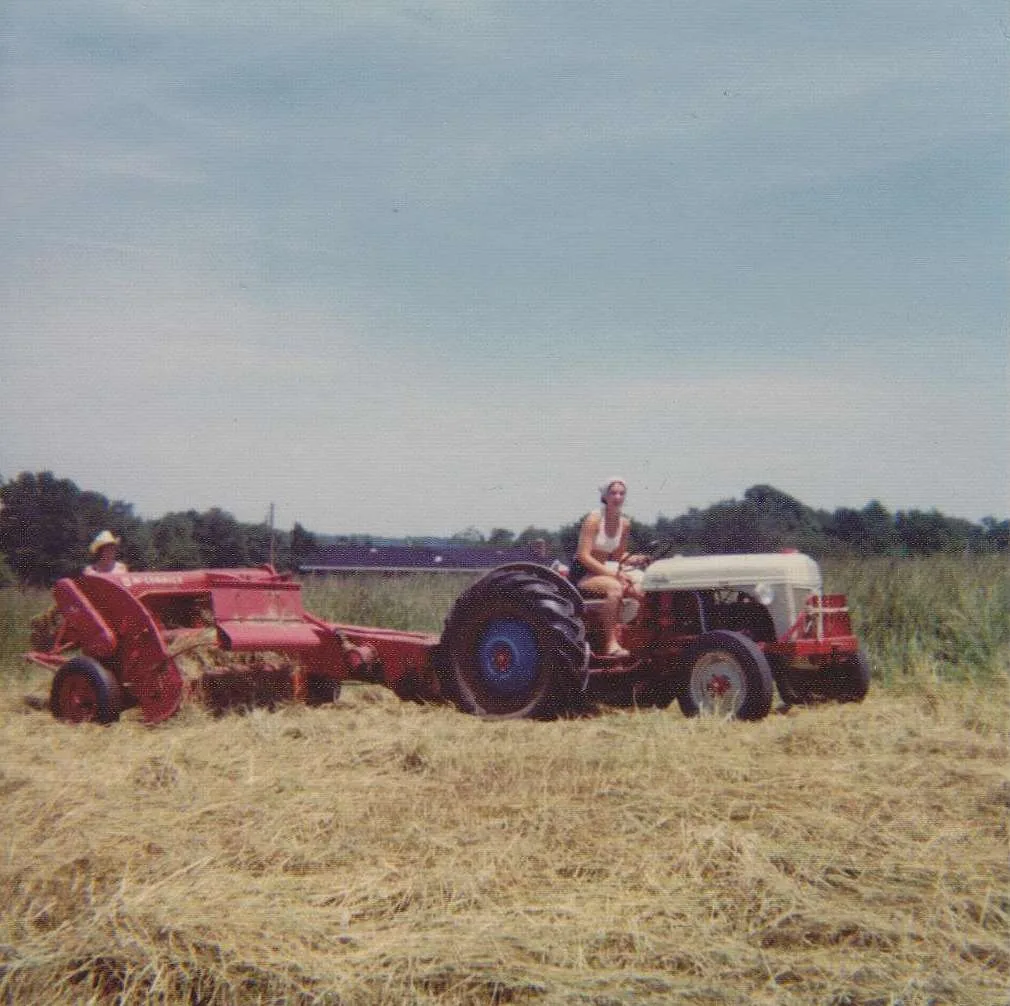
From there we moved to Raleigh, North Carolina, then back to West Virginia again and this time to a 120-acre farm. We lived in a beautiful old wooden farmhouse, kept cattle and rode horses across the land. It wasn’t horse riding as we understand it here; it was simply a way of life. I drove tractors, helped bring cattle in and learned the value of practical work.
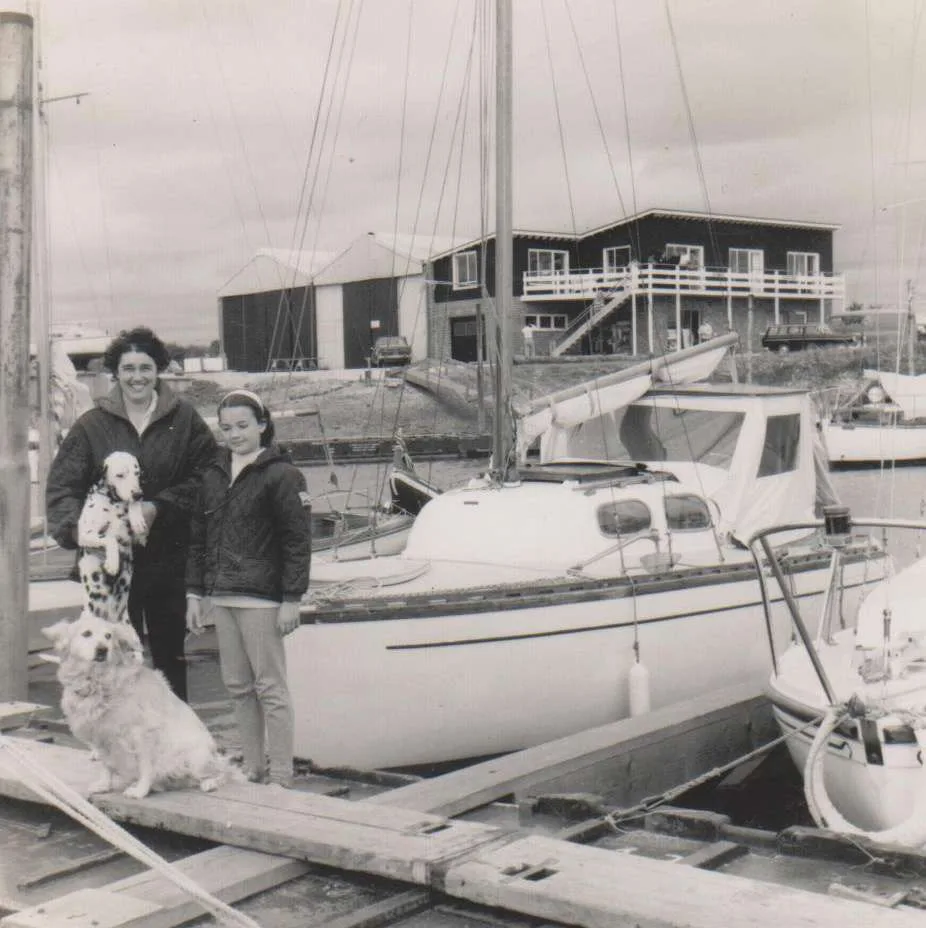
Then my father was headhunted again, this time by BF Goodrich and we moved to Ohio, near the Great Lakes. With every move came new schools, new friends, new communities and goodbyes. I attended 6 different high schools in 4 years. My education in the formal sense, was fragmented but my education in people was rich. When you move that often, you learn to make friends quickly. You also learn not to cling to relationships too tightly, because you know another move is probably coming. You observe, adapt and listen. Those skills stay with you.
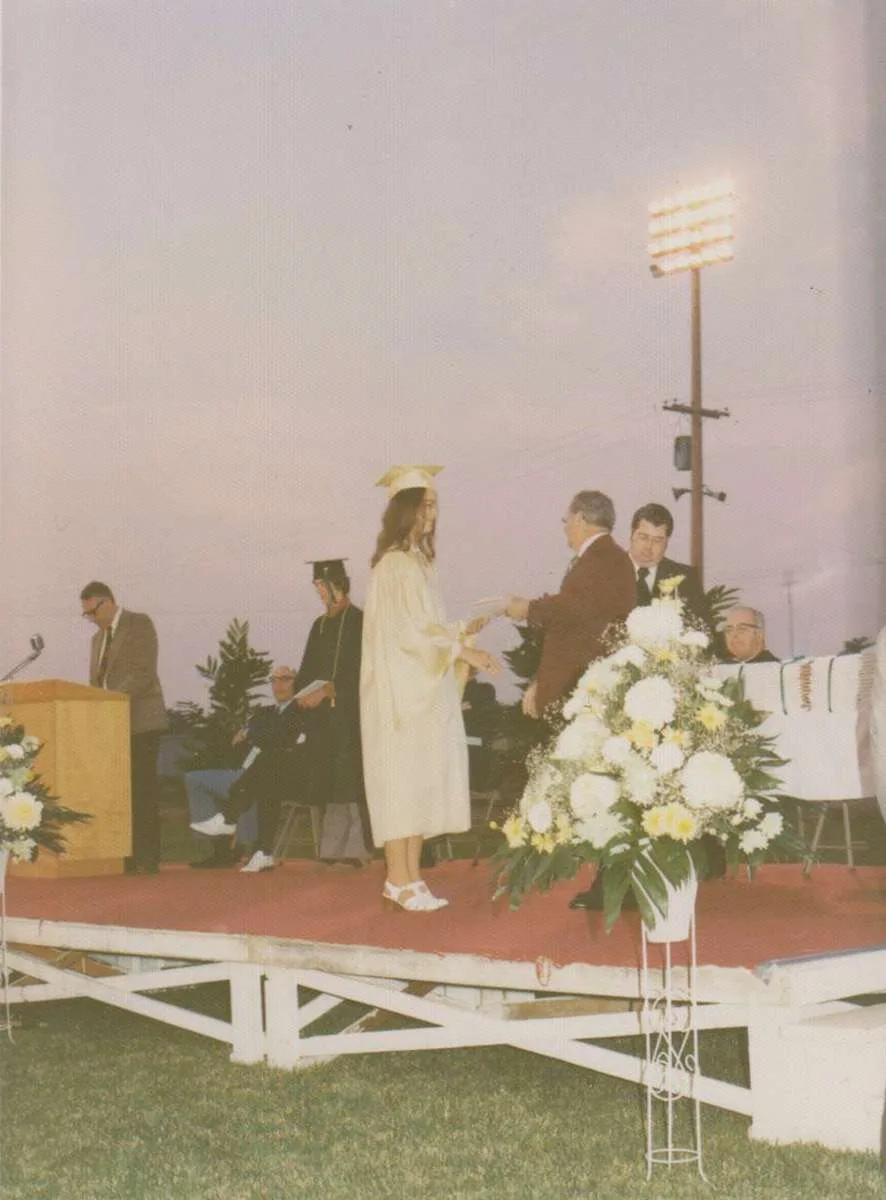
Faith however, remained constant. Wherever we lived, church was part of our lives. It gave us continuity when everything else shifted. I completed my schooling in Ohio and gained a high school diploma there, before spending a year at a large Christian university. It was a time of political and religious unrest in America, with the emergence of powerful conservative Christian movements. Looking back now, that year feels oddly prophetic, given the global climate we find ourselves in today.
Eventually my father was asked to return to England to work for RFD in Godalming, then the area’s largest employer. We settled in Loxwood and it was there that I met my husband, Norman. I returned to England at 19, only to discover that my American qualifications weren’t recognised. I couldn’t be classed as either a British or a foreign student, so further education was complicated.
Once again, my parents stepped in. They paid for me to attend teacher training college privately. I attended 2 different colleges before finally graduating from what is now the University of Chichester. That perseverance and their generosity shaped me profoundly.
Norman and I married in 1979. Family life, faith and community were central to everything we did. Together we became involved in
Christian Youth Enterprises, which began as outreach activities for young people. At first we hired venues, used beaches, borrowed land and made do with whatever we could access. Eventually, Norman felt called to leave his banking career and step into the charity full time.
From a practical perspective, it made little sense. He had job security, a pension and a clear career path. We had a mortgage and young children. But we believed we were being asked to step out in faith. People believed in what we were doing and supported us financially. There were hard times, but we were always provided for.
That work grew into a fully established outdoor and activity centre with sailing, climbing and accommodation, supporting thousands of young people each year. Even now, although Norman has stepped back, it remains something he sees as a living thing, rather like a child you never stop caring about.
Life changed again in 1989, when my mother became ill. Her cancer was misdiagnosed and she died in 1990. Losing her was devastating. When you’re an only child and your family unit has always been your anchor, that loss is seismic.
It also challenged my faith deeply. I’d always believed that faith helped make life good and suddenly life wasn’t good at all. But questioning faith doesn’t mean abandoning it. In my case, it stripped belief back to its core. What really matters? What sustains you when answers aren’t neat? For me, faith became deeper, more honest and more active.
Eventually, we moved into Cranleigh, a village that would become home in a way no place ever had before. We’ve now lived in the same house for 35 years. After a nomadic childhood, that still amazes me. My children grew up with stability that I never had and perhaps that freed me to give outwardly, rather than constantly adapting inwardly. Now our grandchildren are enjoying that same house and environment, building their own memories.
I began teaching at Park Mead Primary School, first as a classroom teacher then as both the RE specialist and the charity coordinator. These 2 later roles reflected my deepest passions. I cared deeply about helping children understand faith and just as deeply about encouraging them to look beyond themselves and recognise need in the wider world.
In 2014, following a particularly successful school harvest collection, we were left with a vast amount of donated food. The children had clearly understood the message. The question was: where should it go?
I contacted food banks in Guildford and Godalming, only to be told that harvest time was when they were always well supplied. At the same time, I happened to speak to someone who had been involved in a Waverley Borough Council survey of Cranleigh. The data suggested that, despite appearances, there was hidden food poverty within the village. That moment stayed with me. We had food. We had a possible need and suddenly the responsibility felt very real.
Within days conversations turned into action. We needed somewhere to store the food quickly. Cranleigh Baptist Church, where I worship, offered space. We decided to launch a 6-week pilot food bank in the run-up to Christmas. It was intentionally modest. We didn’t know if anyone would come. We didn’t know if volunteers would step forward. We didn’t know if the need was truly there but we felt we had to try.
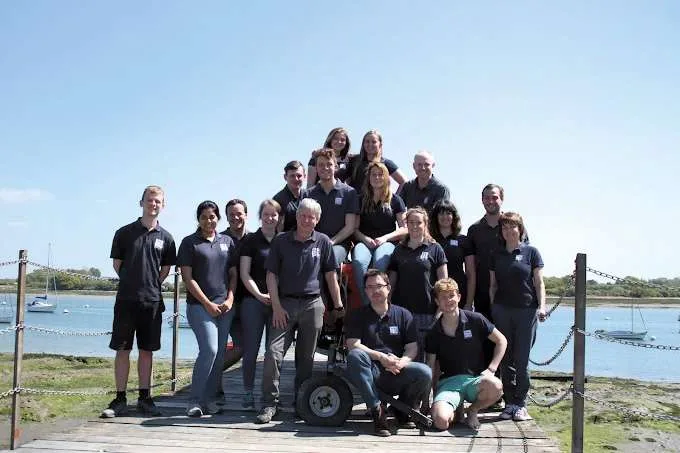
We spoke to other food banks, learned from their experience and built a simple but structured model. We created food parcels designed to meet real needs, not random donations. We introduced a referral system, not to judge or exclude, but to ensure people were receiving broader support than just food.
From the outset, we were determined to be holistic. If someone needs food, something else has usually gone wrong. Benefits delays, illness, debt, relationship breakdown, mental health struggles. Food is the visible crisis, but rarely the root problem.
We opened our doors and people came, though not in floods at first. It took time for trust to build but there was goodwill. Volunteers stepped forward, donations continued and slowly, the food bank became something real.
One decision shaped everything that followed: we created a café space. People could sit, have a coffee and talk. This wasn’t just about handing over bags of food. It was about restoring dignity, listening, creating safety.
We worked closely with referral agencies like schools, GPs, Citizens Advice, Social Services, mental health teams, probation services, ensuring people weren’t navigating crisis alone. Over time, we built knowledge and relationships that allowed us to help practically in other ways by referring people for help with replacing broken washing machines, cookers, beds; all things that can tip a family into crisis without them.
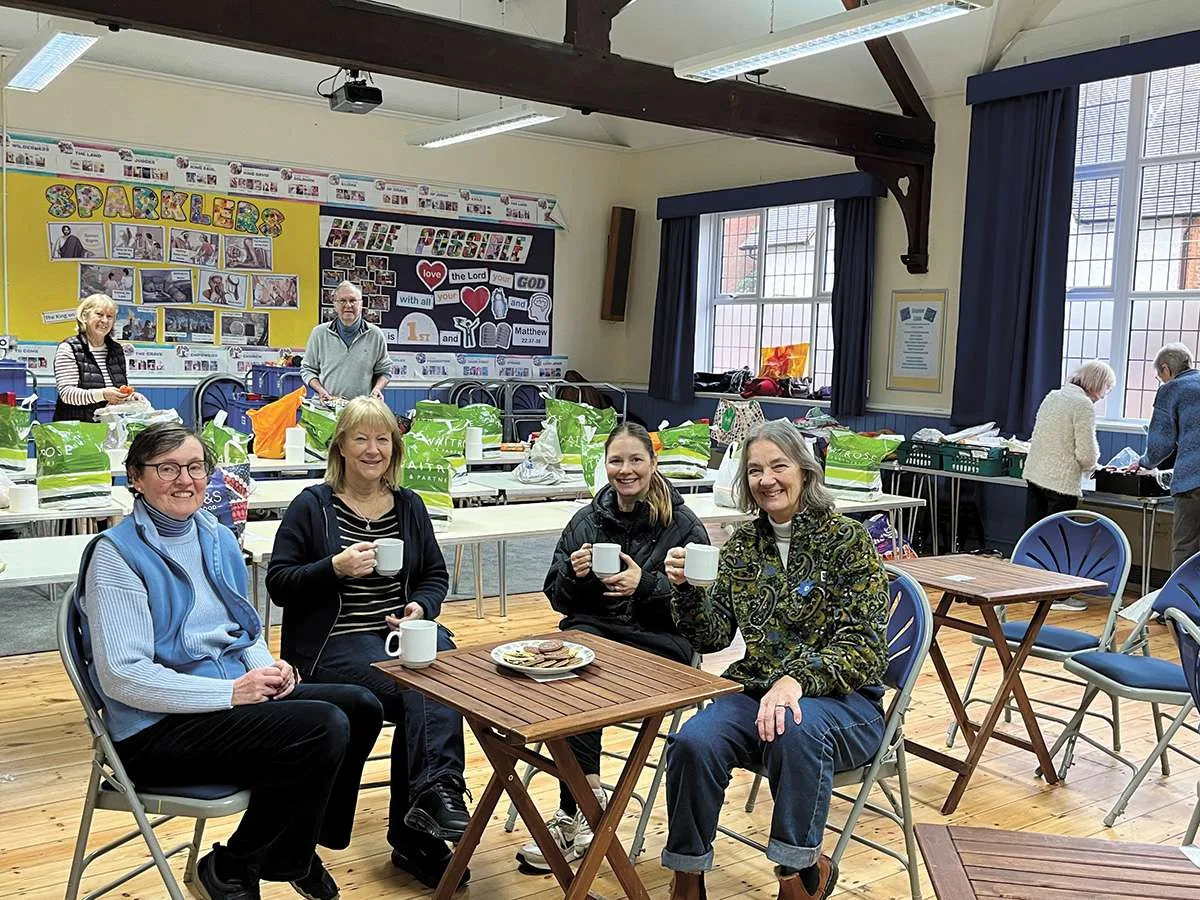
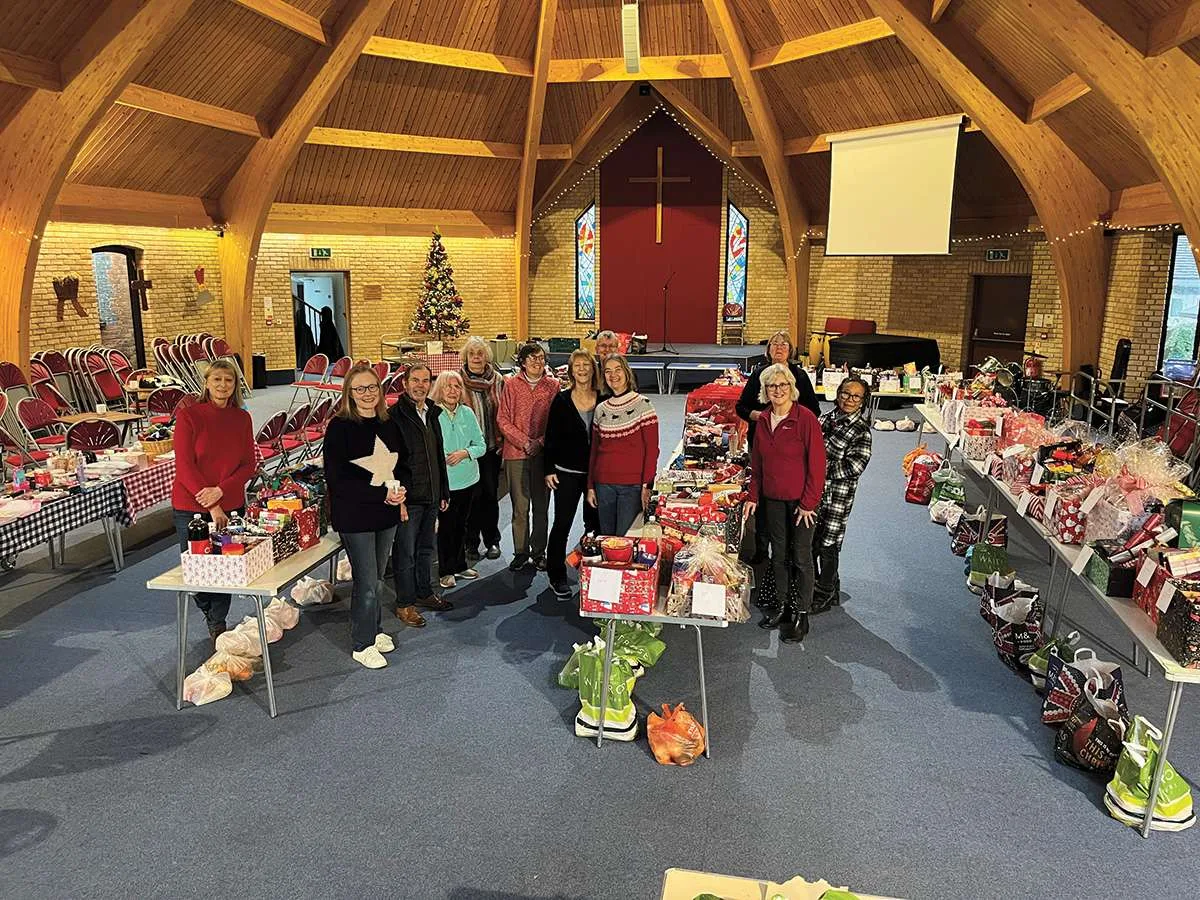
Today the food bank runs weekly. We distribute between 20 and 30 parcels a week, supporting up to 100 people at a time. Some come briefly, some sporadically, and some, whose lives will never be easy, we’ve supported for years. Everyone’s story is different, every person matters.
All our volunteers are unpaid. Confidentiality, respect and compassion are non-negotiable. This must be a safe space for those who walk through the door and for those who serve. We support our volunteers carefully, because hearing people’s stories can be emotionally demanding.
What impacts me most is the change we see. Some people arrive anxious and unsure. They leave calmer and smiling having been ‘seen’.
People often ask how I’ve kept going. The truth is, there are days when it’s hard. When the stories feel heavy. When tiredness creeps in. But then you sit with someone, listen and know that what you’re doing matters.
I believe that if Jesus were here today, he would be in food banks listening, restoring dignity, meeting people where they are.
If I could offer one piece of advice to anyone with a gem of an idea, it would be this: don’t start by thinking about the next 10 years. Start by seeing the need in front of you and respond in a small way. Ask questions, find a few like-minded people to support you. Push a door, if it opens, step through it. Pilot the idea, learn and listen. If it’s real and genuinely needed, it will grow in ways you could never imagine.
Cranleigh is generous. Its goodwill outweighs its resources. And when a community chooses to care for its own, extraordinary things happen. You don’t need to be fearless, you just need to be willing.
Sometimes, changing lives begins with nothing more than saying yes.
For more information about the Food Bank, email: [email protected]
or visit us at our Drop-In Café, Cranleigh Baptist Church, St James’s Place entrance.