
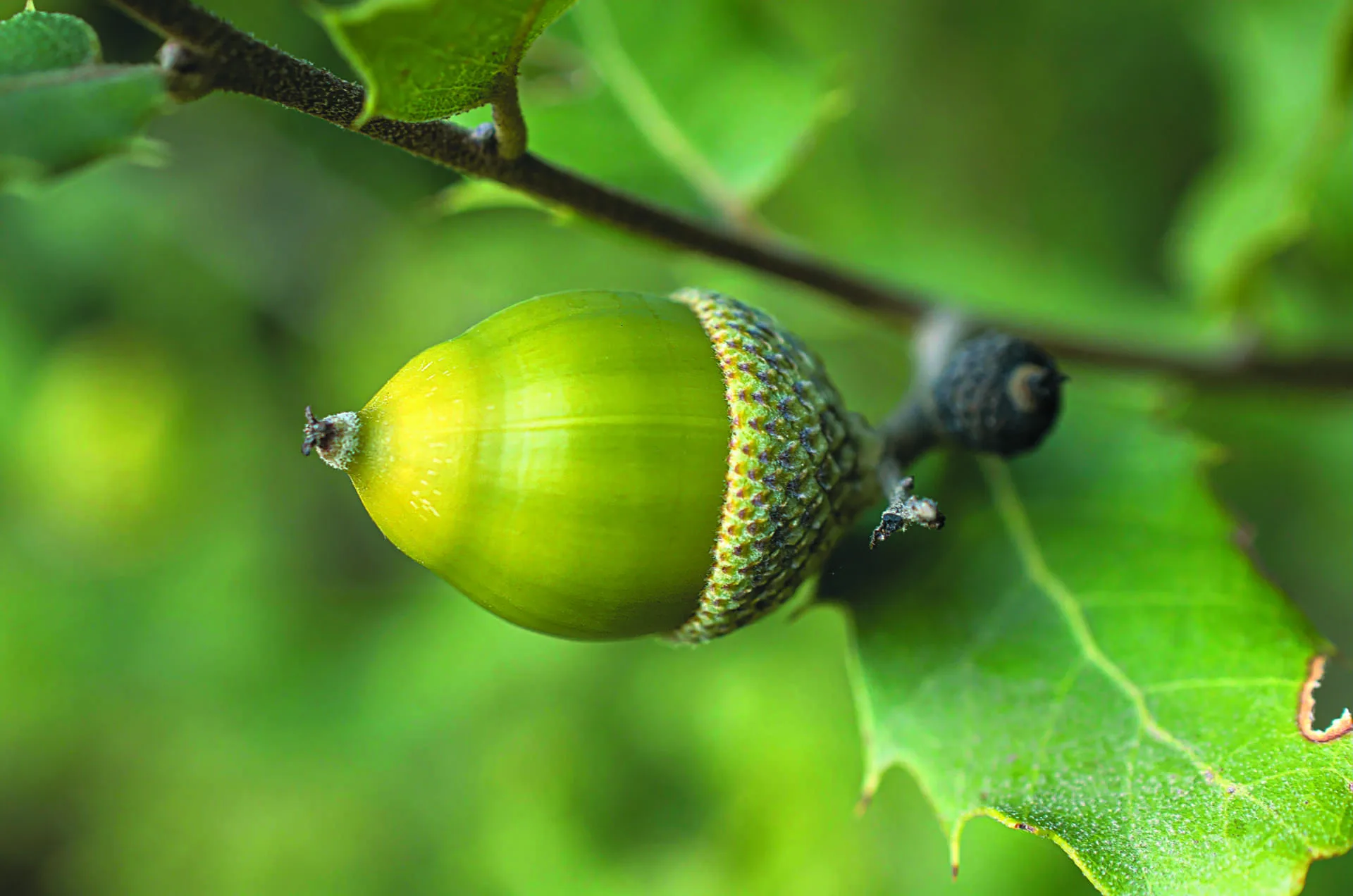
Notices appeared at the beginning of June on the oak tree by the Leisure Centre. No, not a WANTED poster for a local desperado or a MISSING poster for a cat. The notices are to confirm that this iconic oak has now got a Tree Protection Order on it.
By Miki Marks
A number of Cranleigh residents became very concerned that the proposed building of the new Leisure Centre would impact fatally on this tree. Our local councillor, Liz Townsend, has worked very hard to get this special protection put on the oak.
A tree to represent Cranleigh
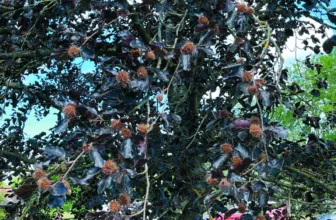
If one were to choose a tree to represent Cranleigh, it would be the oak. If you look above the roof lines, in many parts of our village, you can see rows of oaks — they are the remaining trees which marked old field boundaries. They would have been planted at the beginning of the 19th century and have reached beautiful maturity.
Oaks are home to an incredible number of insects — one count has it that it is 2,050 different sorts! They provide homes or shelter to birds and small mammals. They also support lichens and fungi. For humans, they have been wonderfully useful. Not just fuel and building material but, in central Europe, a variety of oaks give very large acorns, which can be ground and made into flour. And the galls on some oaks produce a tannin which was the main ingredient of ink. The oaks developed the tannin to defend themselves from unwanted insect attacks — with that number homing in on oaks, it must be ever vigilant. Oaks also inspire awe and love for their enduring qualities and their beauty.
Summer afternoon
The writer Henry James said that the two most beautiful words in the English language are summer afternoon.
Many of us probably dream about them during the long, dark winter days. When they finally arrive, it is good to just sit and enjoy them — with a cool drink on the side. It is a chance to really use the senses: to breathe the sweet summer smells and listen to the birds and the insects. Bees buzzing and what has been described as the ‘chirruping song’ of the crickets and grasshoppers.
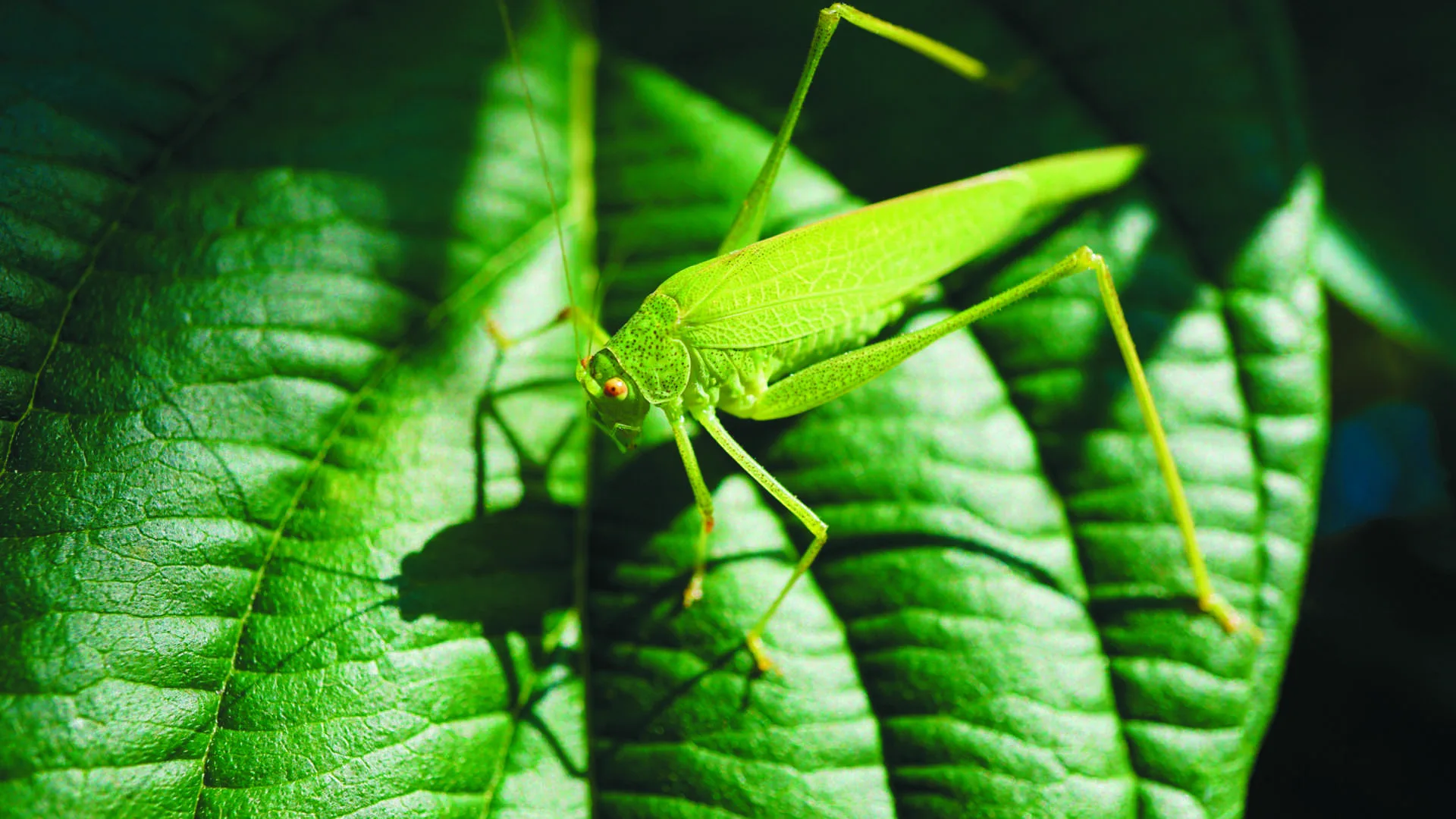
The sounds they make are produced by what is called stridulation. Grasshoppers have a long body and short antennae. The long hind legs have ‘knees’ which are held outwards giving the insect a bandy look. They are very active in hot weather and love long grass and sunny dry patches. They produce their ‘song’ by friction between their hind legs and forewings. They can hop high, fly short distances and feed entirely on vegetation.
Crickets, on the other hand, are nocturnal and carnivorous. They don’t fly and produce their chirrup by rubbing their forewings together. A most enjoyable part of writing these monthly articles is the research I do and the amount I learn. I might now be able to tell the difference between crickets and grasshoppers!
A year with Gilbert White
I have mentioned Gilbert White before and I am reading his diary for the year 1781 as published in Jenny Uglow’s lovely book ‘A Year with Gilbert White’, and he notes that the sky is full of ‘flisky’ clouds. A combination of frisky and fluffy? He broke the traditional mould of nature writing. He went out and actually observed the world around him. He stripped away all the pastoral illusions, adjectival excess, references to classical Greek and Latin authors where the streams were full of nymphs and the rainbow was the goddess Iris. He made notes of the birds he saw, how the harvests were doing, what fruit was ripening and the weather. Fascinating to compare with our July.
On the Beryl Harvey site
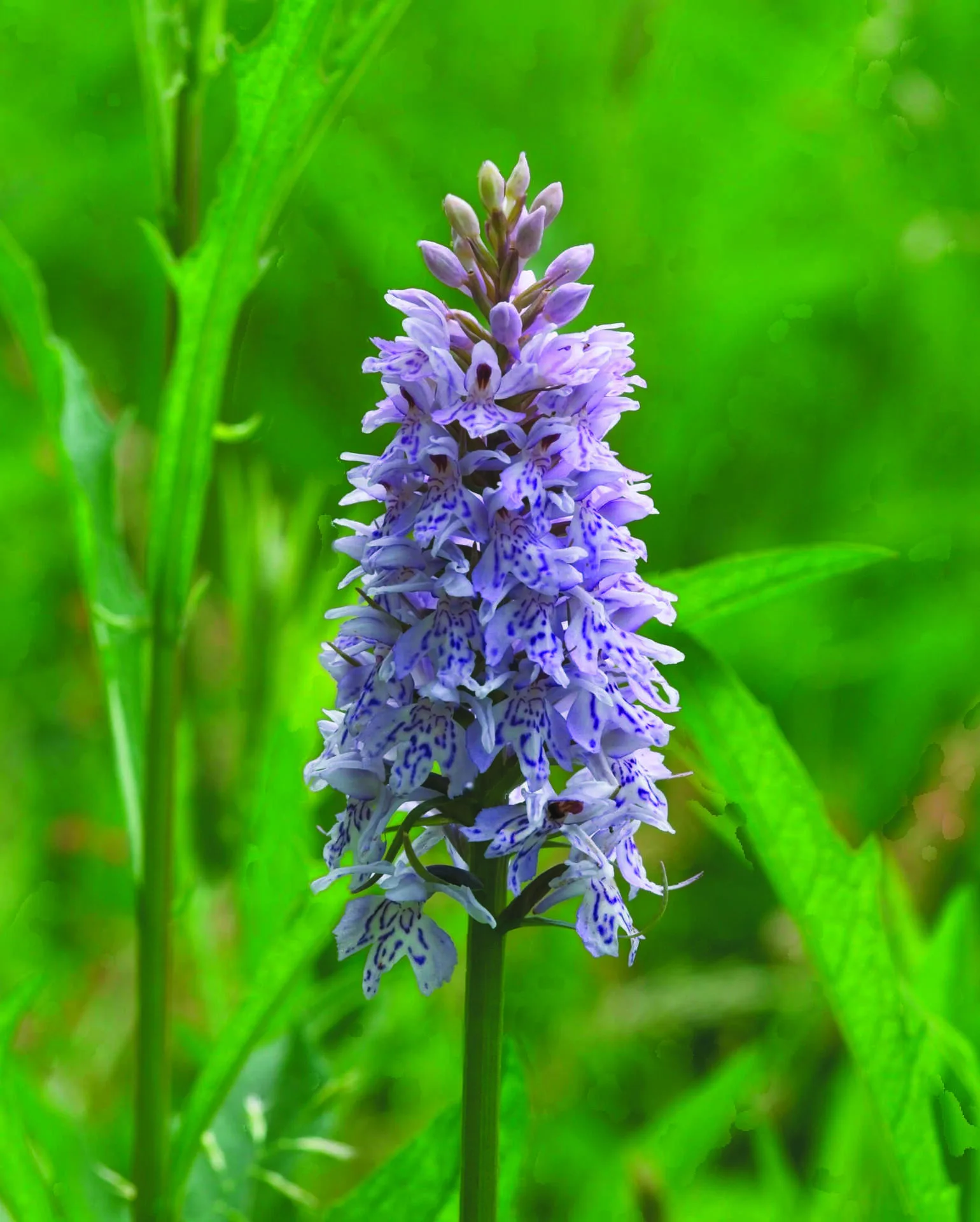
The Beryl Harvey volunteers are meeting again on July 12th. Volunteer Leader Julia Reed writes that in July there are plenty of native wild flowers to enjoy. In addition to the common spotted orchids you can find teasels, purple loosestrife, betony, agrimony, ragwort, ground ivy and figwort.
These flowers attract the butterflies and 14 species have been counted on the site including Comma, Red Admiral, Painted Lady, Brimstone, Gatekeeper and the rare Brown Hairstreak. You may spot deer in the early morning or evening. Also stoats, rabbits, small mammals, dragonflies and grass snakes.
This is a very busy month on the Nature Site — the priority is to control over-dominant species like bramble, alkanet, and encroaching blackthorn, and clear the space round the orchids. The pond needs a repair to the liner and there are plans to build hibernaculars for the newts.
If you would like to know more, or are interested in joining our dedicated group of volunteers, please contact Julia Reed for a chat. At the moment the meetings are on the second Sunday of the month, but it is hoped to have a mid-week date also.
This article first appeared in the July 2026 issue of Cranleigh Magazine. Pick up your free copy around the village, or read more at cranleighmagazine.co.uk.