


by Penny Lynch
There’s been lots of talk in the news lately about outdoor air quality and the damage it is doing to us and our children. But what about indoor air quality?
Most of us spend around 90% of our time indoors, at home, at work, at school, in the car. Yet we often overlook the air we’re breathing in these enclosed spaces. Studies show that indoor air can be two to five times more polluted than outdoor air. Surprising, isn’t it?
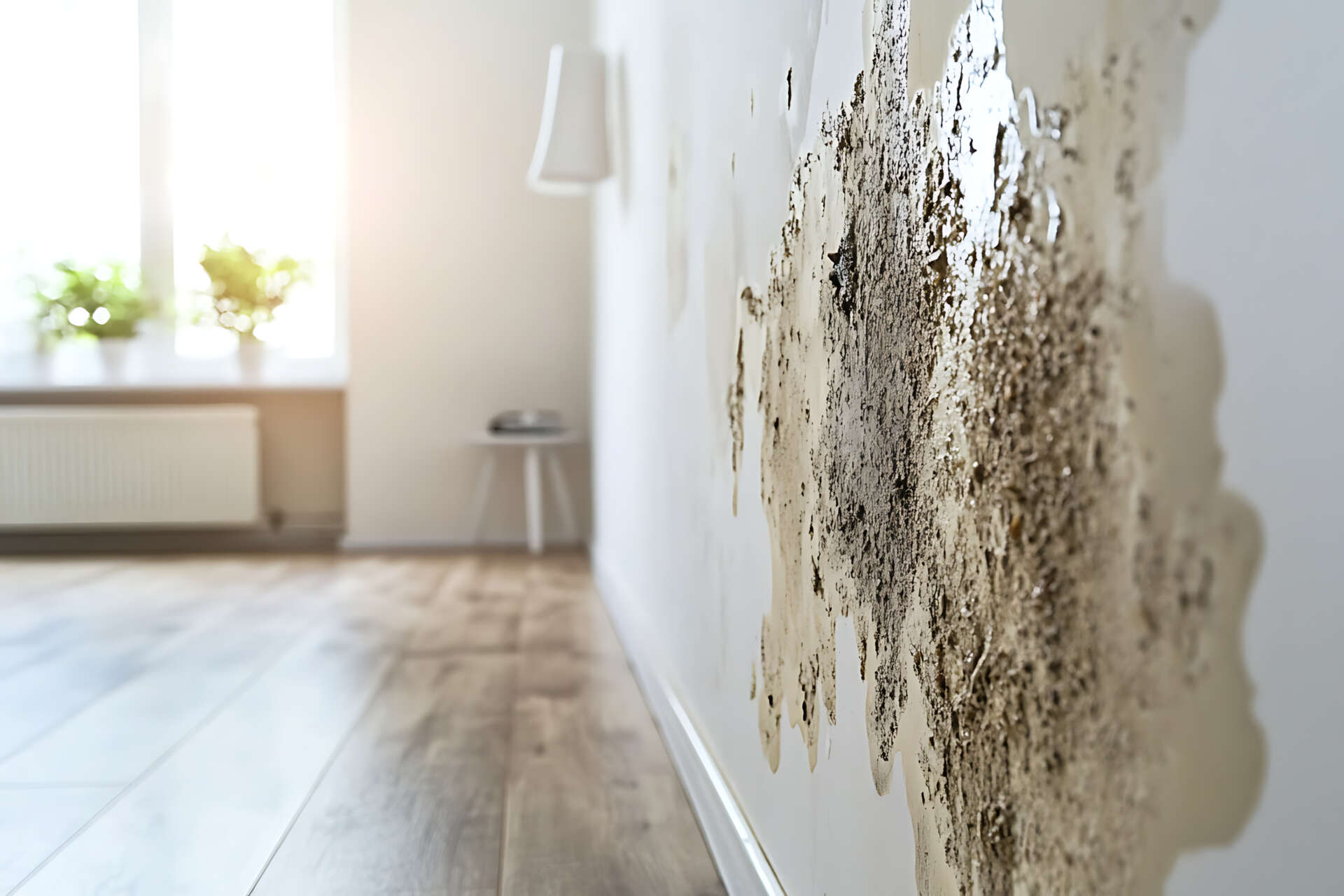
Common sources of indoor air pollution include cleaning products, air fresheners, paint, new furniture, cooking fumes, damp and mould, and even some scented candles. Gas hobs, for example, release nitrogen dioxide, the same pollutant that comes out of car exhausts. And when we keep our windows shut in colder months, these pollutants build up.
So, what can we do?
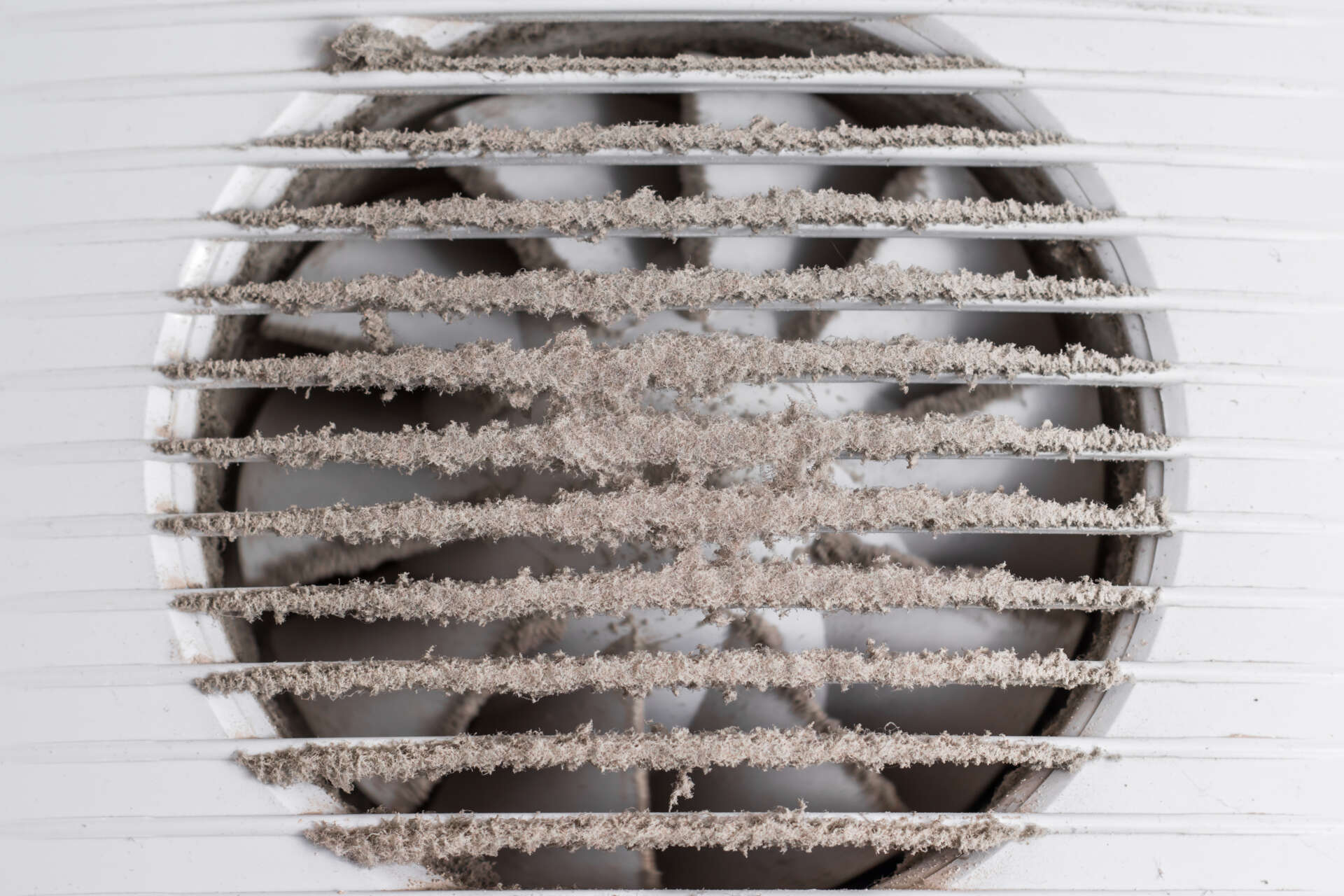
First, ventilation is key. Try to open windows daily, even for just a few minutes, especially when cooking or cleaning. Trickle vents on windows and extractor fans in kitchens and bathrooms also help remove moisture and pollutants.

Second, consider the products you use. Opt for natural cleaning solutions where possible. Look for low-VOC (volatile organic compound) paints and avoid all aerosol sprays.
Houseplants can also help. While their impact is modest compared to proper ventilation, they do contribute to a healthier indoor environment and boost wellbeing too. Spider plants, peace lilies, and snake plants are all known for their air-purifying properties and are easy to care for.
It’s also worth thinking about humidity. High humidity encourages mould, while very dry air can irritate eyes and skin. Aim to keep indoor humidity between 40–60%. A simple hygrometer can help you monitor this.
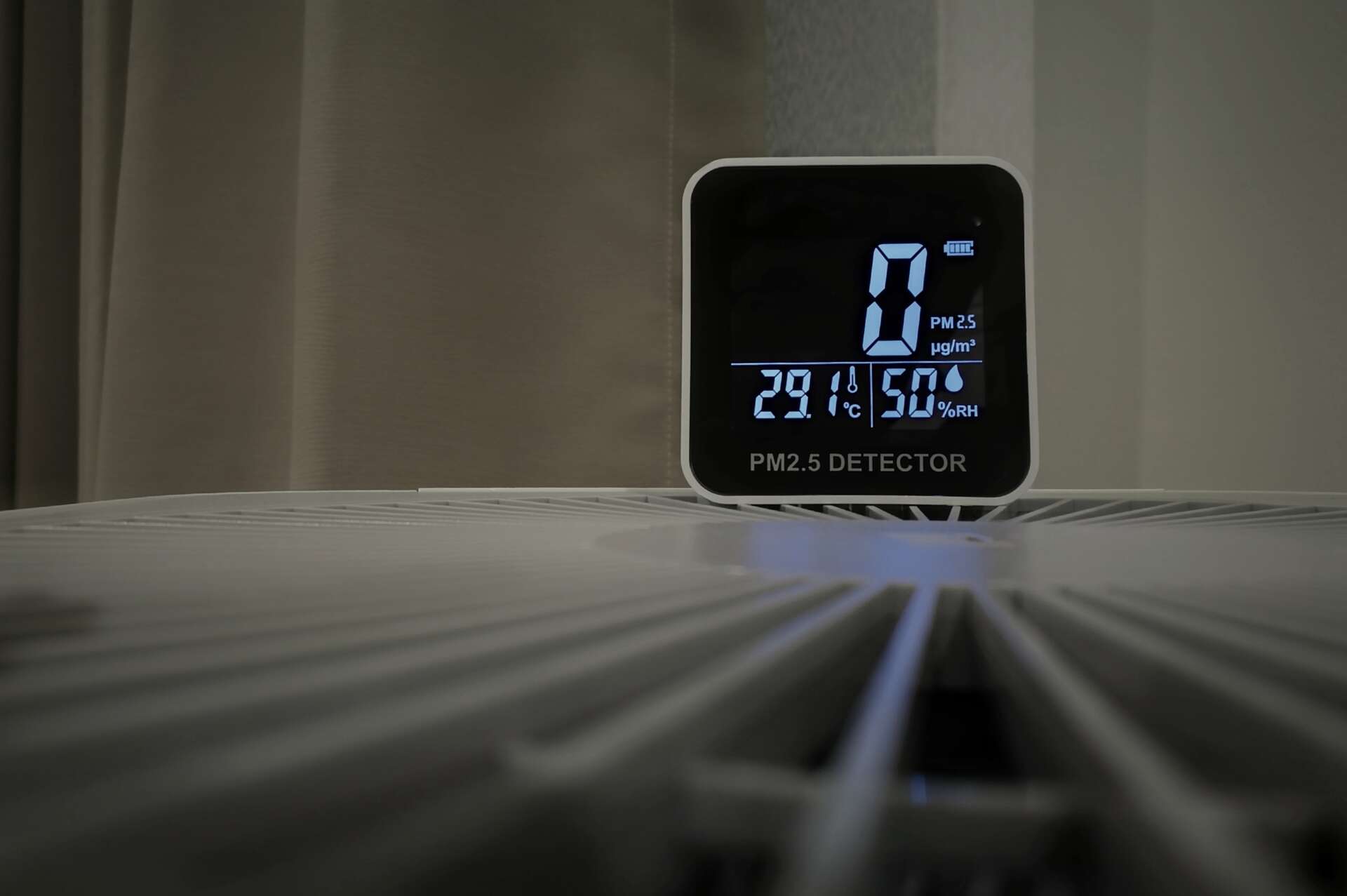
For those with allergies or asthma, an air purifier with a HEPA filter might be a worthwhile investment, especially in bedrooms or areas where people spend a lot of time.
In short, keeping our indoor air clean doesn’t have to be complicated or expensive. It just requires a bit of awareness and a few small changes. As we become more conscious of our health and the environment, taking care of the air inside our homes feels like an easy win, especially when it comes to protecting the health of our families. After all, it’s not just what we put into our bodies that matters, it’s what we breathe, too.