
by Miki Marks
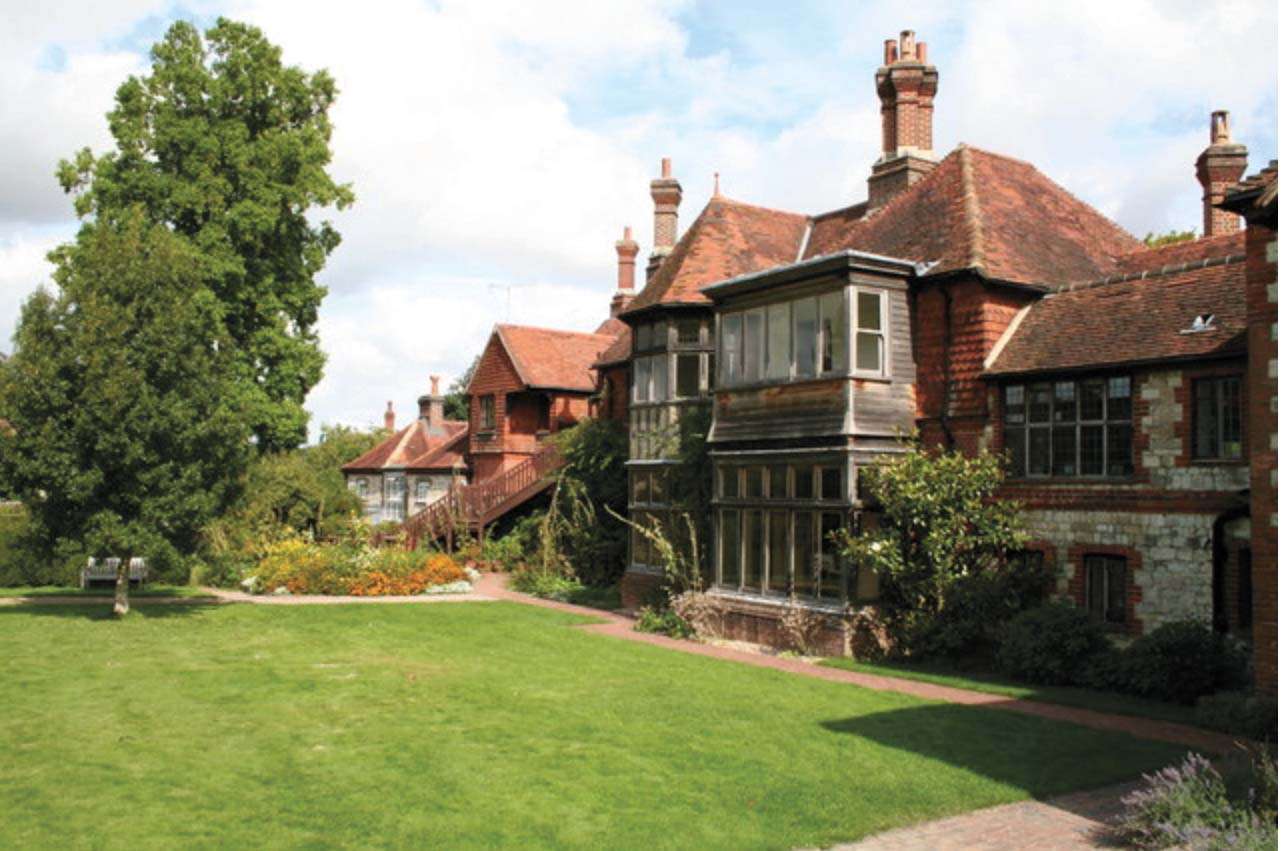
Gilbert White has been described as our first great nature writer. He lived from 1720 to 1793. He was country curate to the village of Selborne, in Hamshire, where he was born and lived most of his life. What makes him remarkable is his close attention to nature and his blending of scientific and emotional responses to the world round him. His influence has been far-reaching; it helped to foster the growth of ecology and the realisation that humans are also part of the natural scheme of things. If anyone asks you what you would like for Christmas, ask for the new book which has just come out about him by Jenny Uglow entitled A Year with Gilbert White. She examines one year of his diaries – 1781 and you can read and follow day by day what life was like in Selborne.

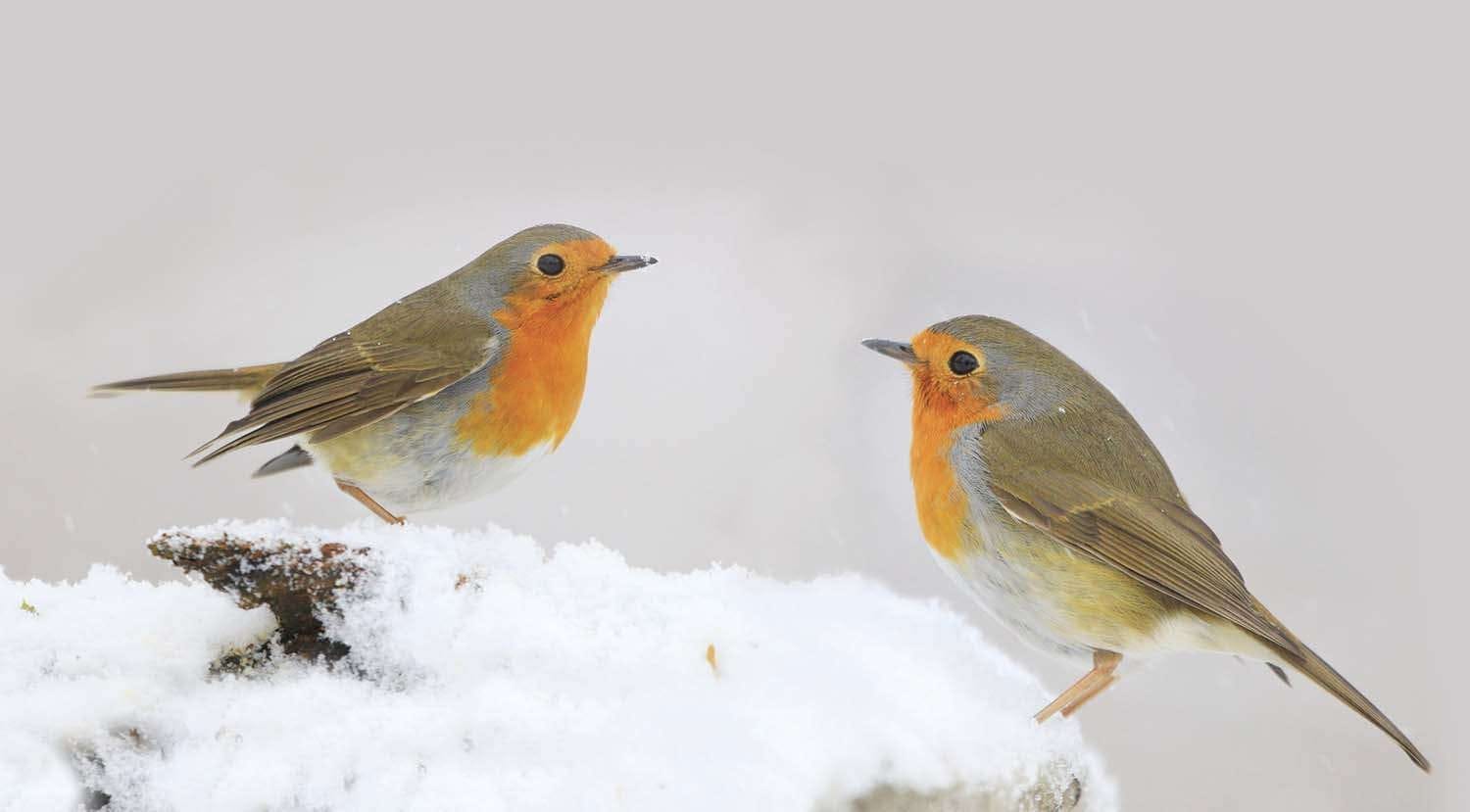
Just before Christmas the villagers, even the very poor, would bring green boughs into their houses – bundles of ivy, holly and mistletoe, adding some rosemary for remembrance. The village church would also be decorated. A far cry from the decorations we see now appearing in the shops in mid October. I was interested, though, to see that a good number of the Christmas cards still show the traditional evergreens and more likely than not, a robin. Apparently the Christmas card was first invented in 1849 by Henry Cole, who was one of the leading lights of London’s Great Exhibition. The robin appearing on so many Christmas cards is said to be partly due to Christmas cards being delivered not by hand, but by the new postal service. The postmen wore red uniforms and were nicknamed ‘robins’. And these birds are such a cheerful sight on a dull winter’s day.

The 21st of December is a special day for me. It is the Winter Solstice and the 24 hour period when tilt of the earth on its axis at 23.4 degrees means that the sun is at its lowest in the sky. Instead of finding this depressing, why would one not celebrate the slow and wonderful increasing of the light? The Jewish festival of Hanukkha begins at sundown on the 25th – and is known as ‘The Festival of Lights’, appropriately.

On cold, dark days there is plenty going on in nature. You might notice moths hovering outside your lighted windows. Some will be male winter moths. At this time the females are emerging from their underground pupa state and as their wings appear to be just for decoration, they are useless for flying, they begin to climb the nearest vertical surface, usually a tree trunk, and meet the male moth on the way up. They mate and then the female lays her eggs in the mossy bark of a tree, or preferably on the unopened buds. The eggs hatch into very hungry caterpillars in April and seek out opening buds to devour. If the buds are late opening, this is disastrous for the caterpillars, and they starve. The oak has a very cunning strategy to combat the devastation to its buds that might occur. It varies the time of the bud opening and the leaves unfurling, to foil the caterpillars. And should their buds suffer too much damage, the oaks grow a replacement crop of leaves. Fruit trees are not so cunning and to protect them you might remember those sticky bands which were wrapped round the trunks to trap the female moths on their upward journey.

In winter the soil can freeze down to a maximum of about 45cm, a depth known as the frost line. Before this happens, earthworms burrow down into the subsoil, rolling into a tight ball and covering themselves with a protective layer of mucus enabling them to survive without moisture. Amphibians also bury themselves in the soil or beneath stones and logs. Some frogs – especially male ones, overwinter at the bottom of ponds. Should the conditions become very severe, the frog can cease breathing and its heart stops beating – surviving thanks to high glucose levels in its vital organs.

Most plants which evolved to grow in colder climates grow root systems below the frost layer. Freezing can cause a root to rupture, killing the root. Plants have developed an effective way of storing a high concentration of sugars and salts in the roots, which acts as an antifreeze.
I used to avoid Christmas cards which said ‘Season’s Greetings’ inside instead of’ Happy Christmas’. I have changed my mind. There is so much to celebrate in the darkest month, not just Christmas, and whatever you celebrate, may it bring you much peace and happiness.