
by Penny Lynch
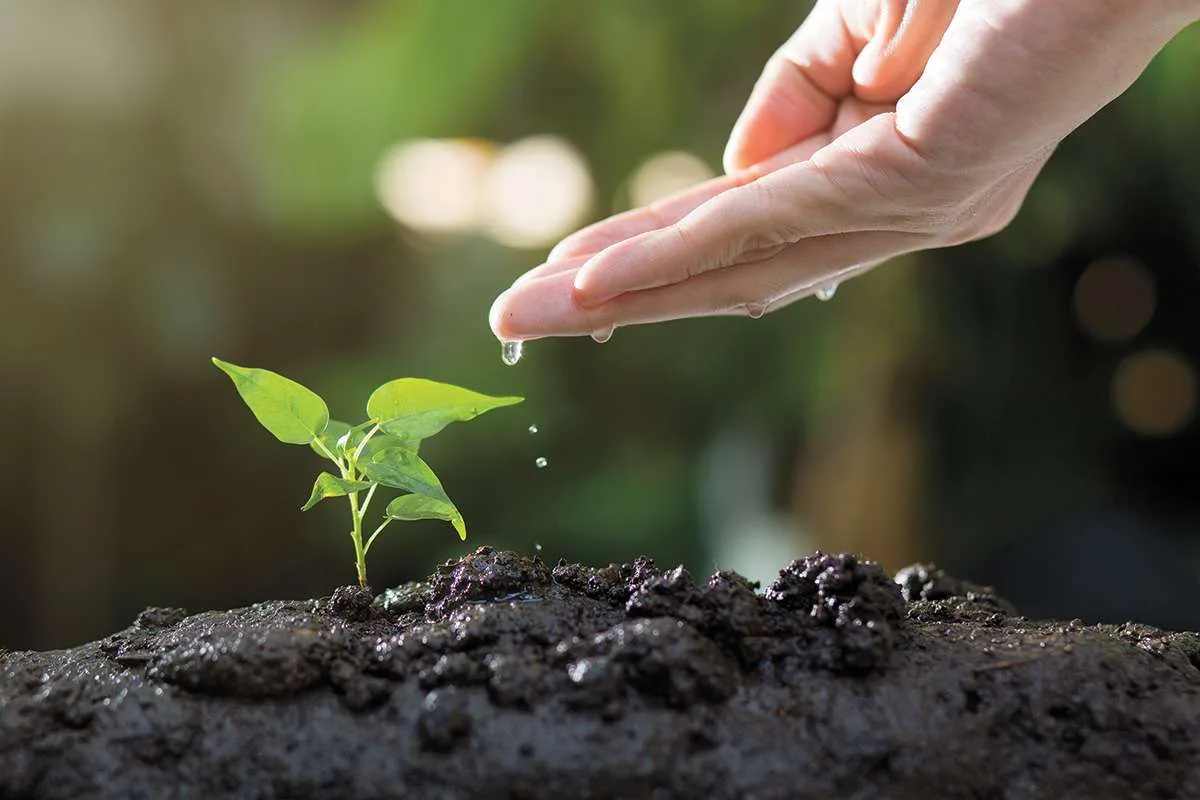
As the days lengthen and the natural world stirs into life, many of us feel that familiar pull to be in the garden. And we all know that gardening is good for the soul, but it can also be good for the planet. By thinking about sustainable gardening and in particular, how we can reduce our reliance on herbicides and pesticides.
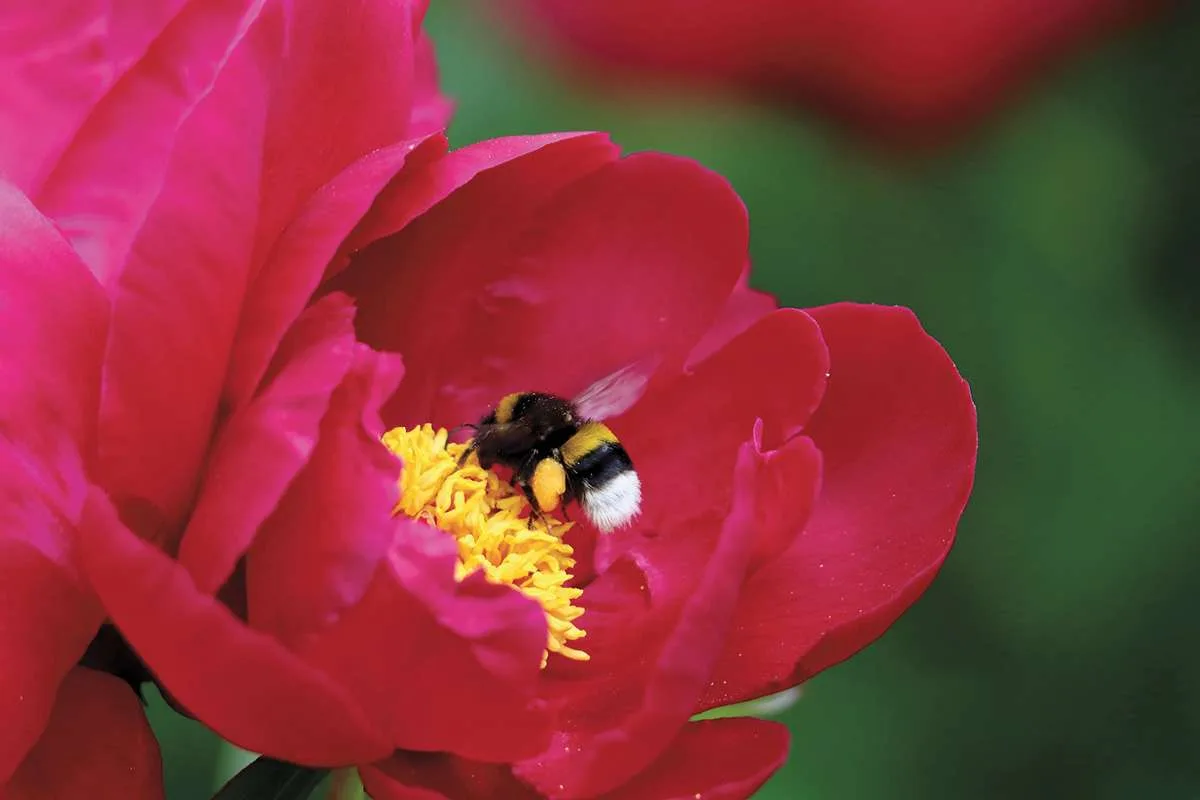
For decades, chemical sprays have been marketed as quick fixes for weeds and garden pests and while they can be effective in the short term, they often come with unintended consequences. Many products harm not only the target plant or insect, but also beneficial species, such as bees, butterflies and beetles. Pollinators are essential for so much of what we grow, from apples to courgettes, and yet their numbers have declined dramatically in recent years.
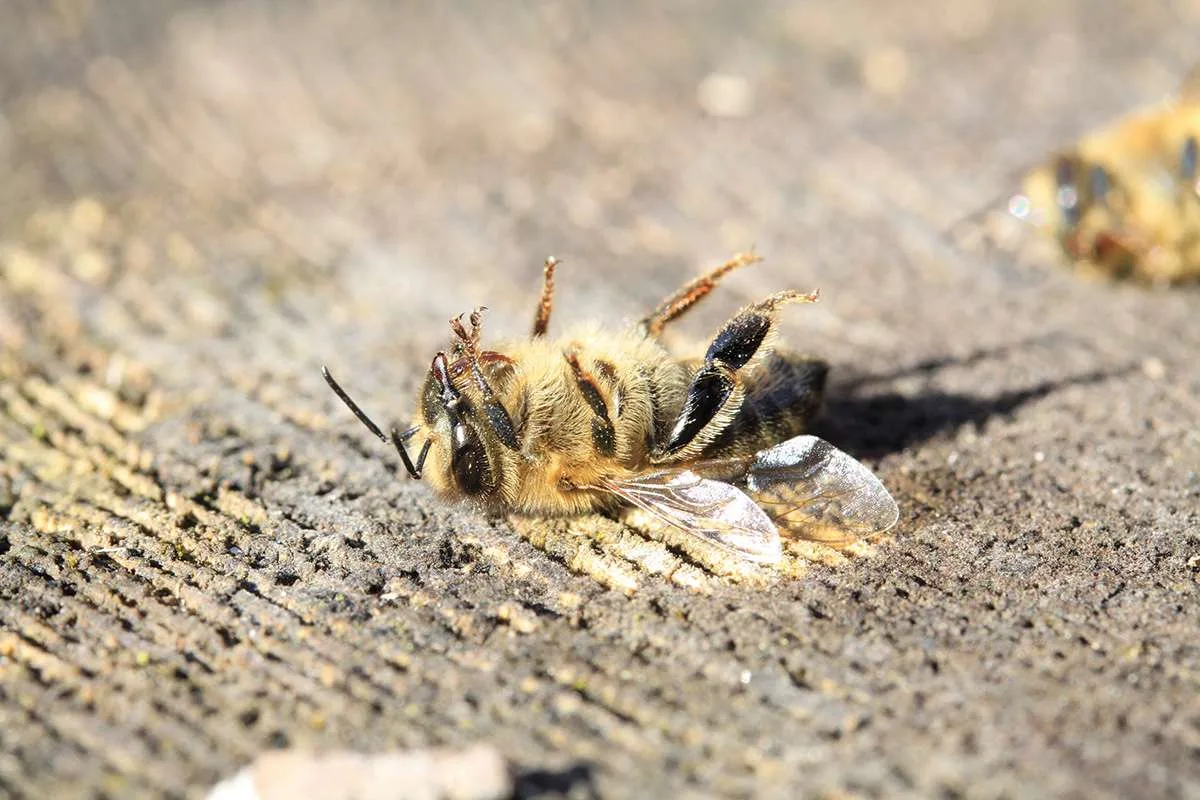
Organisations such as The Wildlife Trusts and the RHS, highlight the importance of creating wildlife-friendly gardens and that even small changes can make a significant difference when multiplied across a whole community.
So, what does sustainable gardening look like in practice?
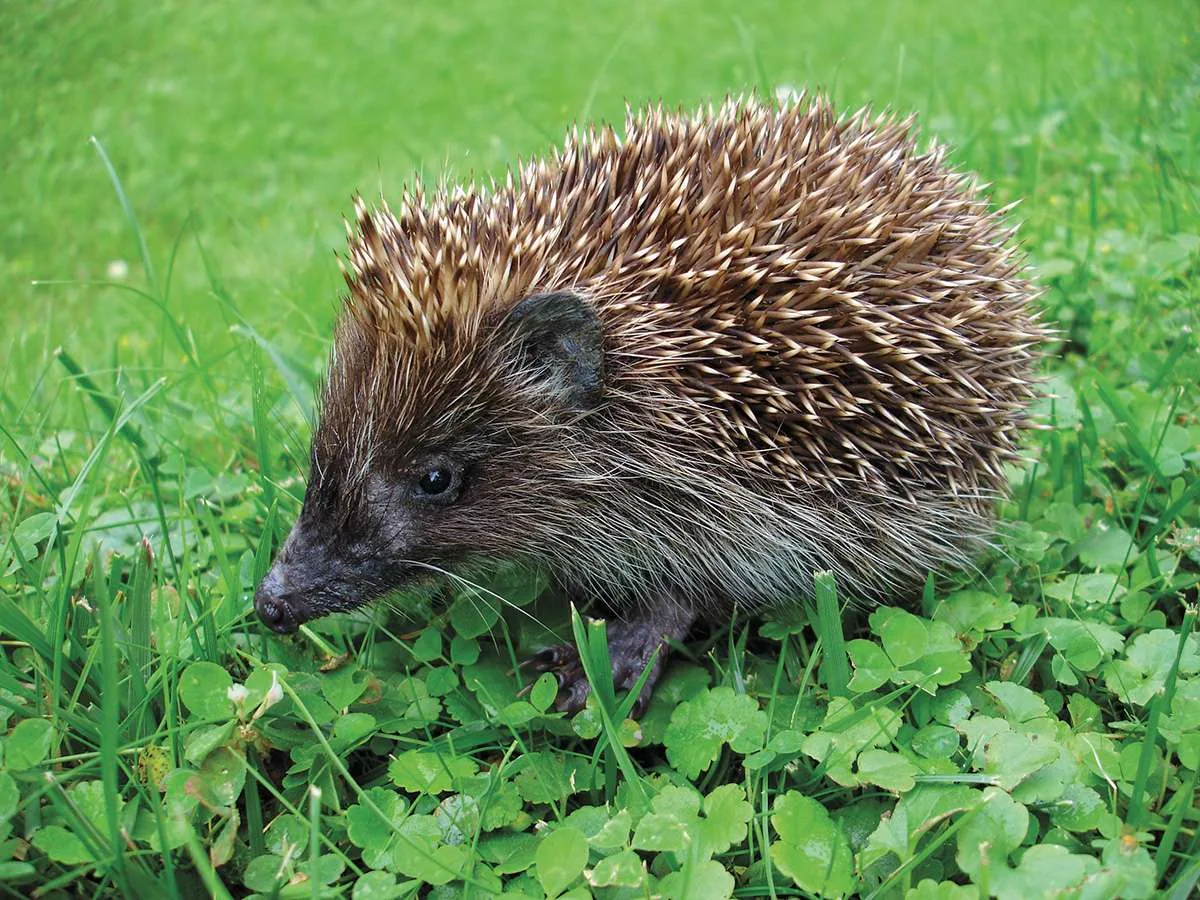
It means working with nature rather than against it. A few aphids on a rose bush are not a crisis, they are food for ladybirds and lacewings. Leaving some areas a little wilder provides shelter for frogs, hedgehogs and other natural pest controllers. Tolerating a few “weeds” such as dandelions can offer early nectar for pollinators when little else is in flower.
Focus on building healthy soil. Composting kitchen scraps and garden waste reduces what goes to landfill and creates nutrient-rich compost that improves soil structure. Healthy soil grows resilient plants that are better able to withstand pests and disease without chemical intervention.
Mulching beds with compost or leaf mould can suppress weeds naturally, reducing the need for herbicides. Hand weeding little and often is surprisingly satisfying (and counts as gentle exercise!). Choosing the right plant for the right place, sun-loving plants in sunny spots, drought-tolerant varieties in dry soil, reduces stress on plants and the likelihood of disease.
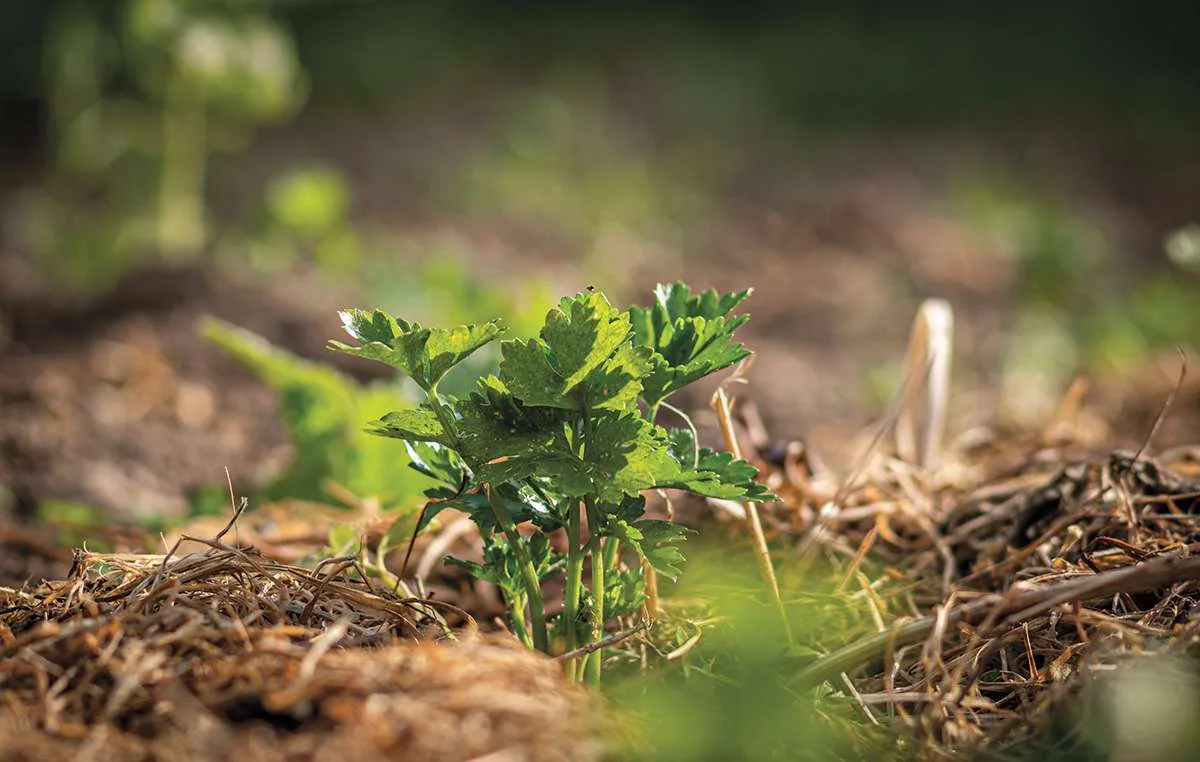
Consider planting for biodiversity. A mix of native flowers, shrubs and trees that bloom at different times of the year will provide a continuous food source for insects. Even a small patch of lawn left to grow a little longer can support clover and daisies.
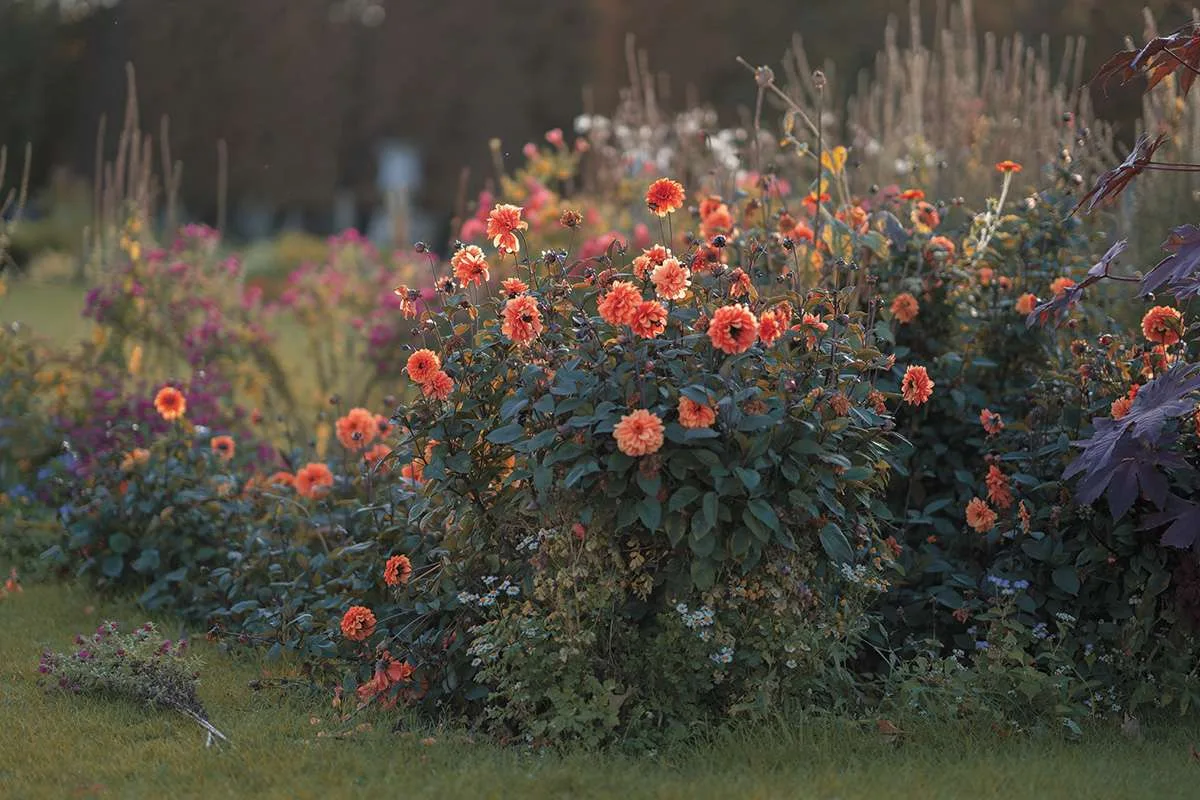
Sustainable gardening isn’t about perfection. It’s about making thoughtful choices that protect our soil, water and wildlife. If each of us reduces our use of herbicides and pesticides, our combined gardens can become a thriving, connected habitat, right here in Cranleigh.