


Matt Newell, Director of Format Garden Rooms
There’s a conversation I’ve had many times over the past few years, and it usually starts in much the same way. The phone rings and someone says, “We’d like a garden room.” Then there’s a short pause before they add, almost apologetically, “There’s already an old garage there… but it’s horrible. We’re thinking of bulldozing it before you come.”
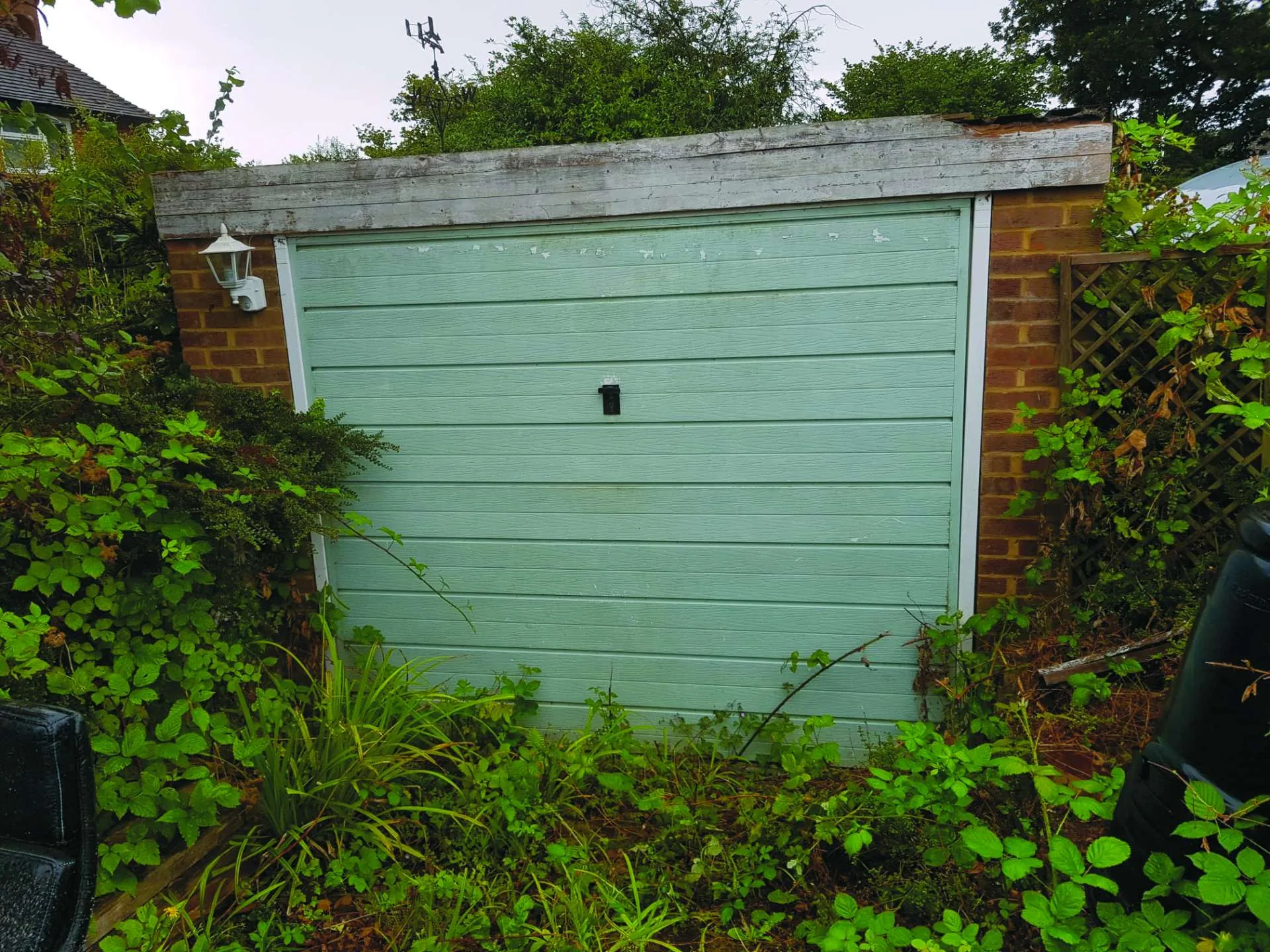
Since the pandemic, calls like this have become increasingly common. People have spent more time at home and started looking at their gardens with fresh eyes. That unused corner, that gloomy old garage, or that patch of scruffy ground at the bottom of the garden suddenly looks like an opportunity rather than an eyesore.
Quite often the caller has already planned to demolish whatever is there. In one case in Guildford, a client had actually budgeted £3,000 just to knock down and dispose of a brick garage before we even started building. But when I arrived and looked at the structure, I said something that tends to surprise people. “You don’t actually need to bulldoze this.”
Looking at old spaces differently
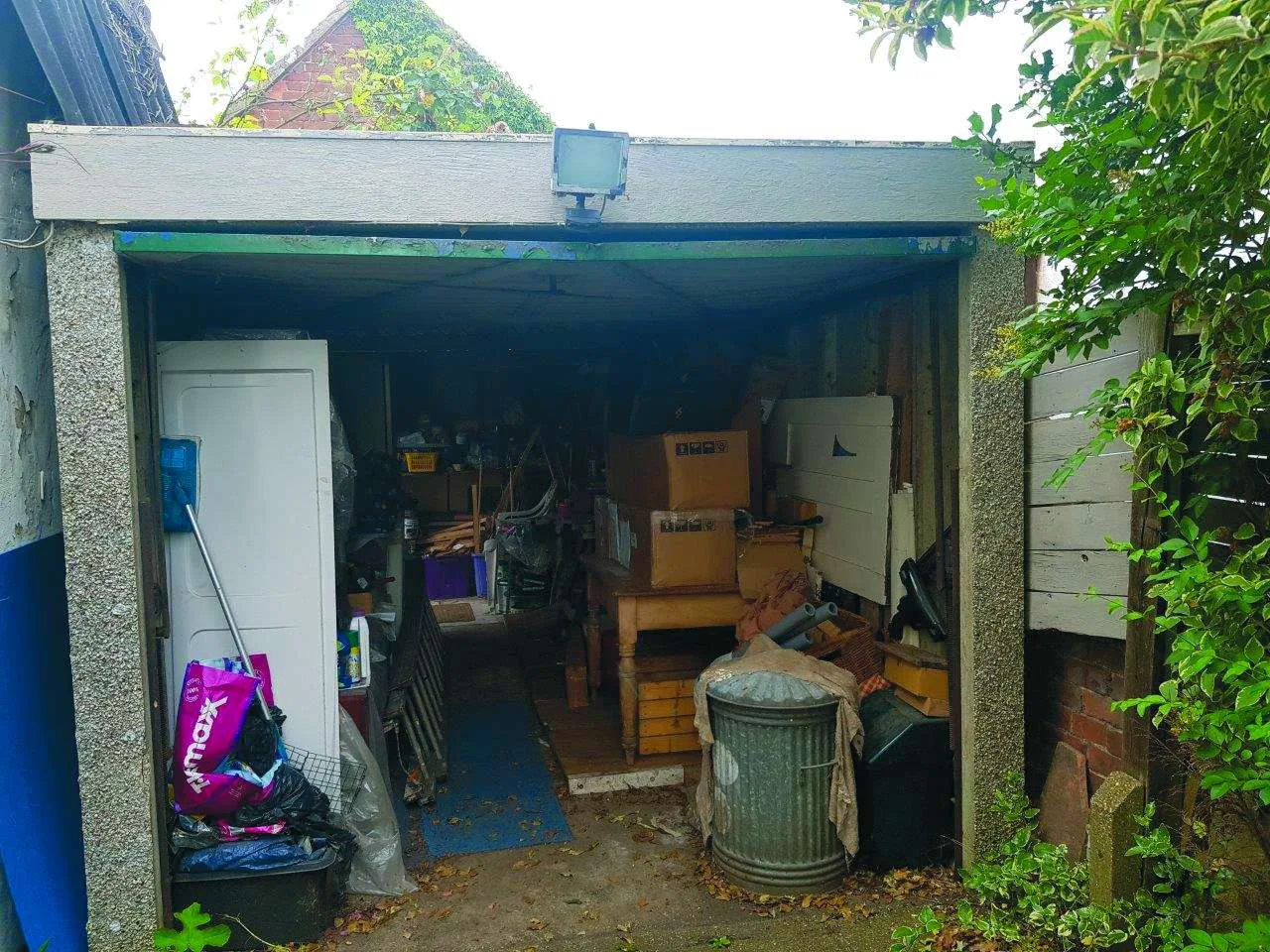
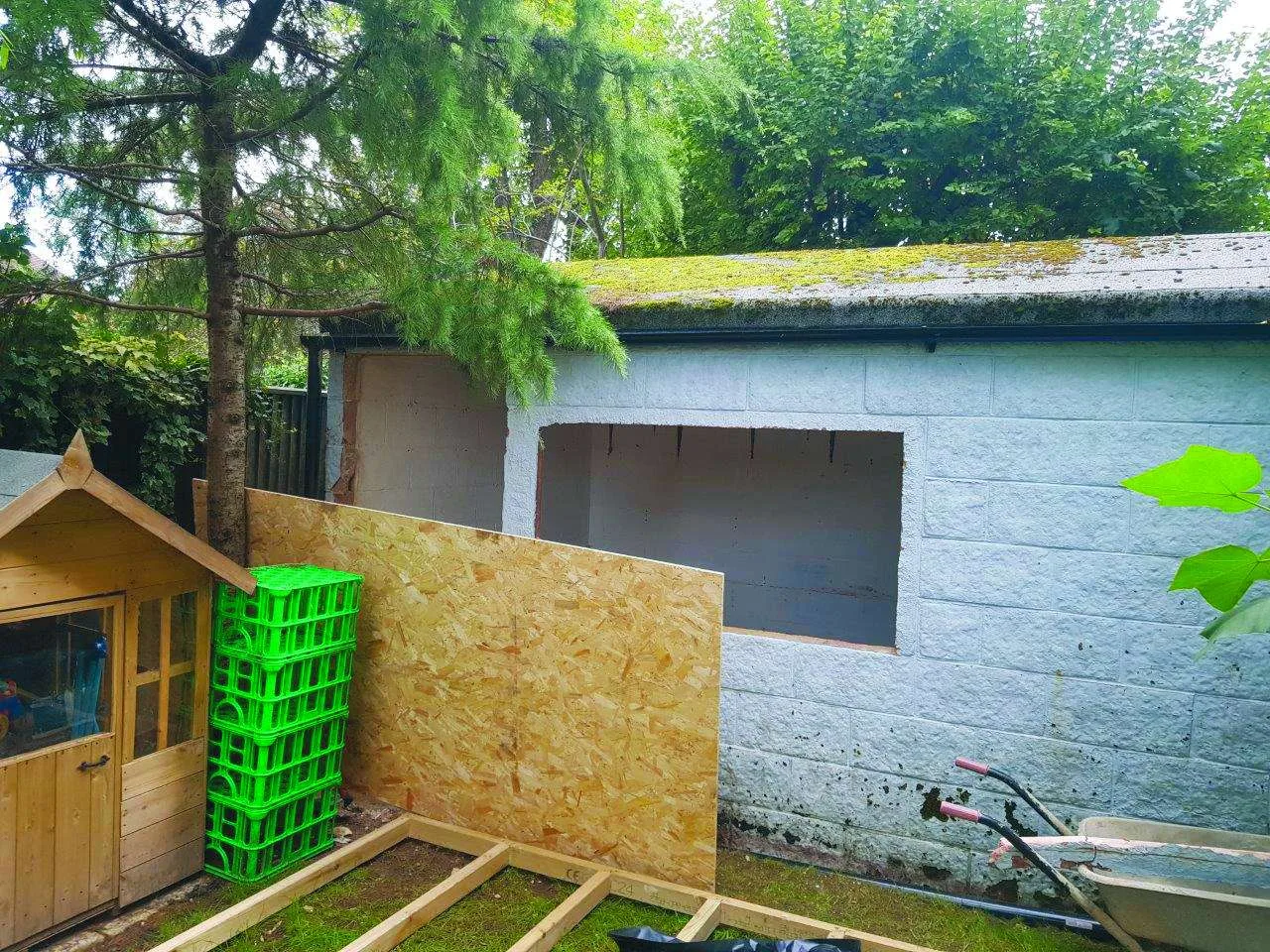
Many garages built in the 1960s and 70s look dreadful today. They’re damp, gloomy and usually filled with years of accumulated clutter. Some have had rodents living in them. Others have rooves that have seen better days. Yet structurally, many of them are perfectly sound.
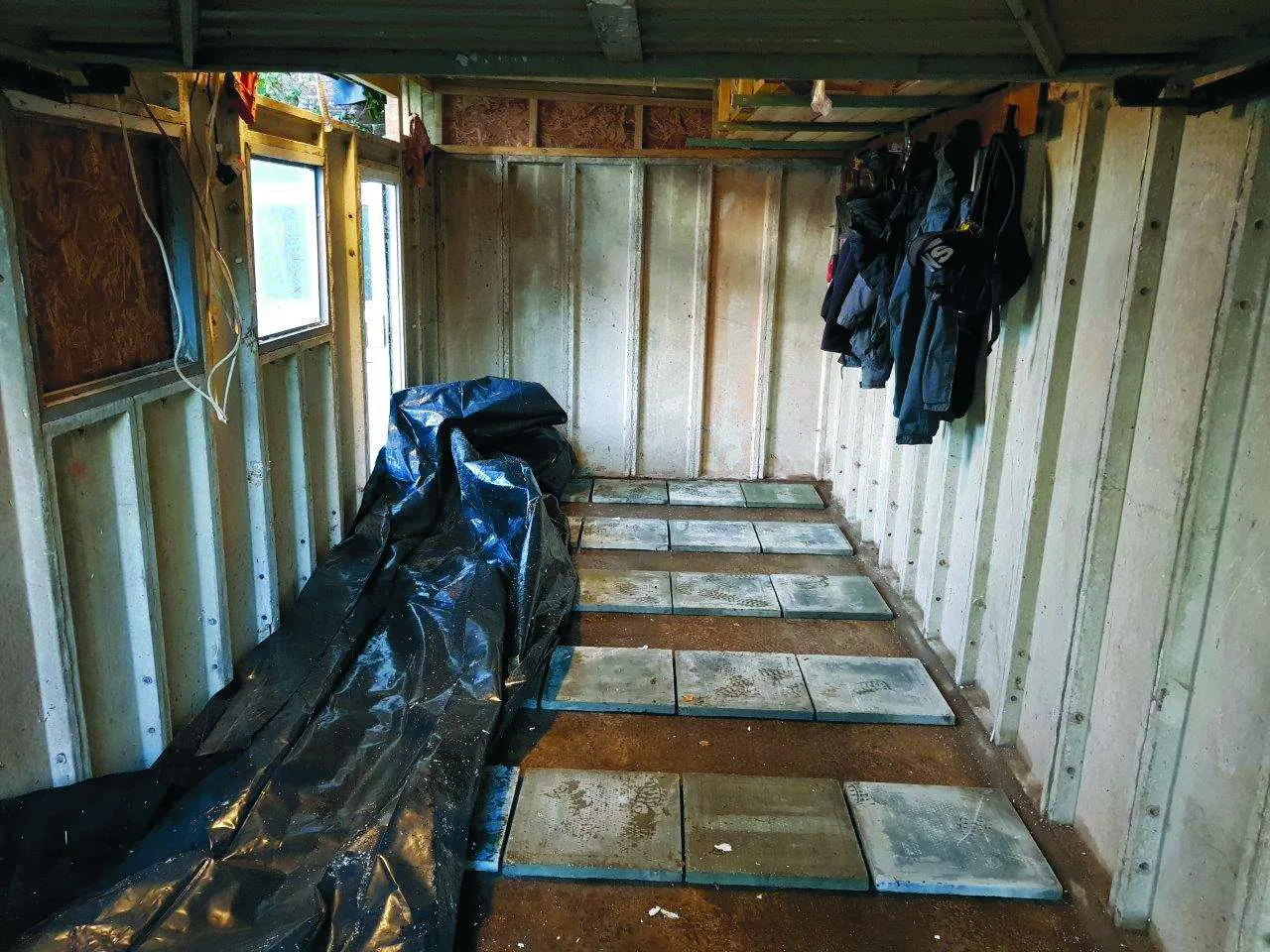
When I walk into a space like that, I’m not looking at the mess. I’m looking at the bones of the building. If the structure is solid, we can often repurpose it instead of demolishing it.
From an environmental point of view alone, that makes sense. Think about the energy that went into making those bricks in the first place. Demolishing the structure means transporting rubble away, grinding materials down and starting again. Recycling may be better than landfill, but it’s still energy-intensive. If we can reuse the structure and transform it instead, we reduce waste and save the client money. But more importantly, we can create something remarkable from something people thought was worthless.
The secret is in the structure
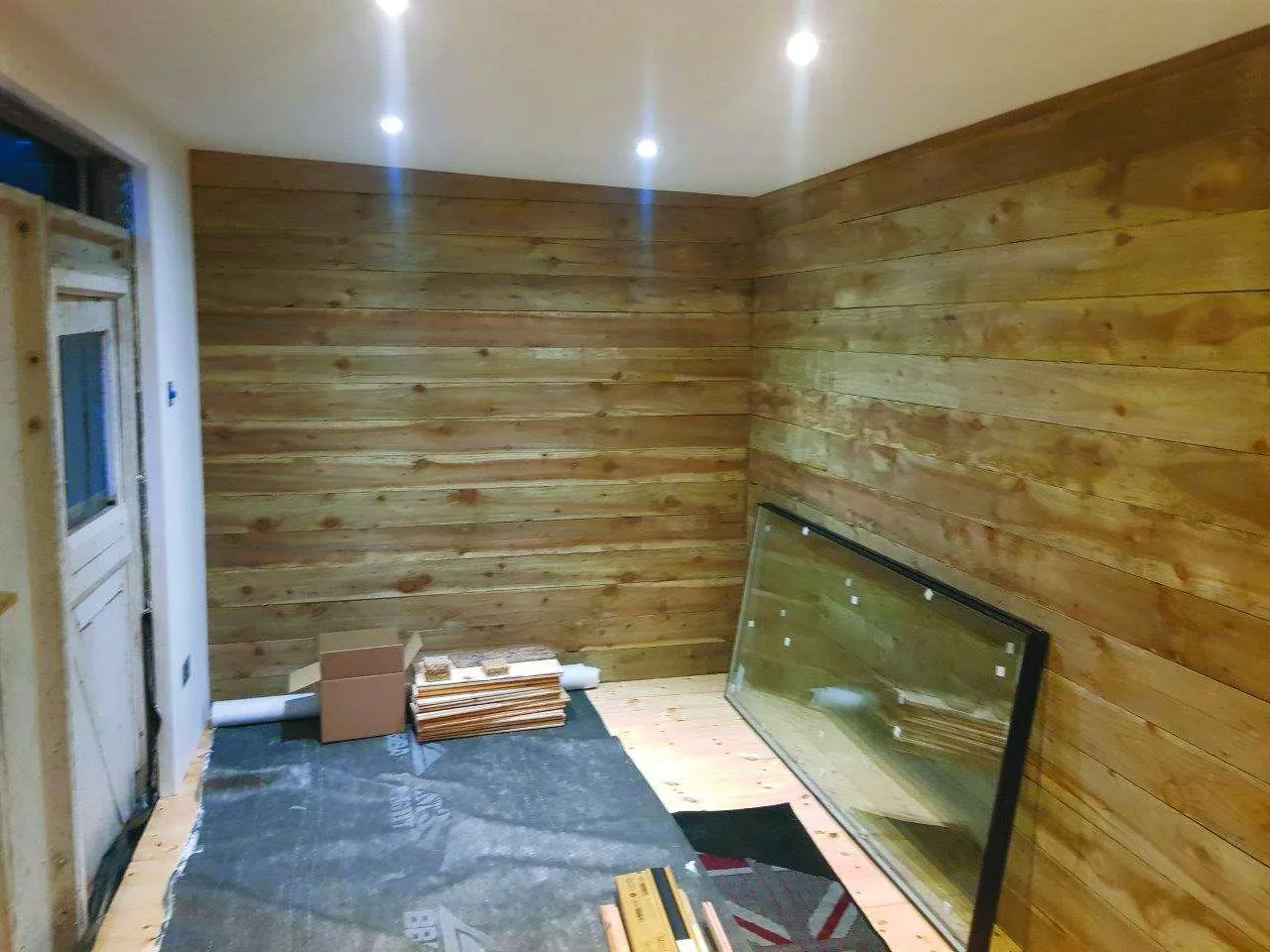
The transformation isn’t about simply tidying up an old garage. The key is rebuilding the internal environment properly. Everything starts with the floor. If the original base isn’t perfectly level — and most aren’t, it can cause problems later. So we always build a new, slightly suspended floor with proper vapour barriers underneath. This prevents moisture rising through the concrete and allows us to run electrics neatly around the perimeter before bringing them up into the room where needed.
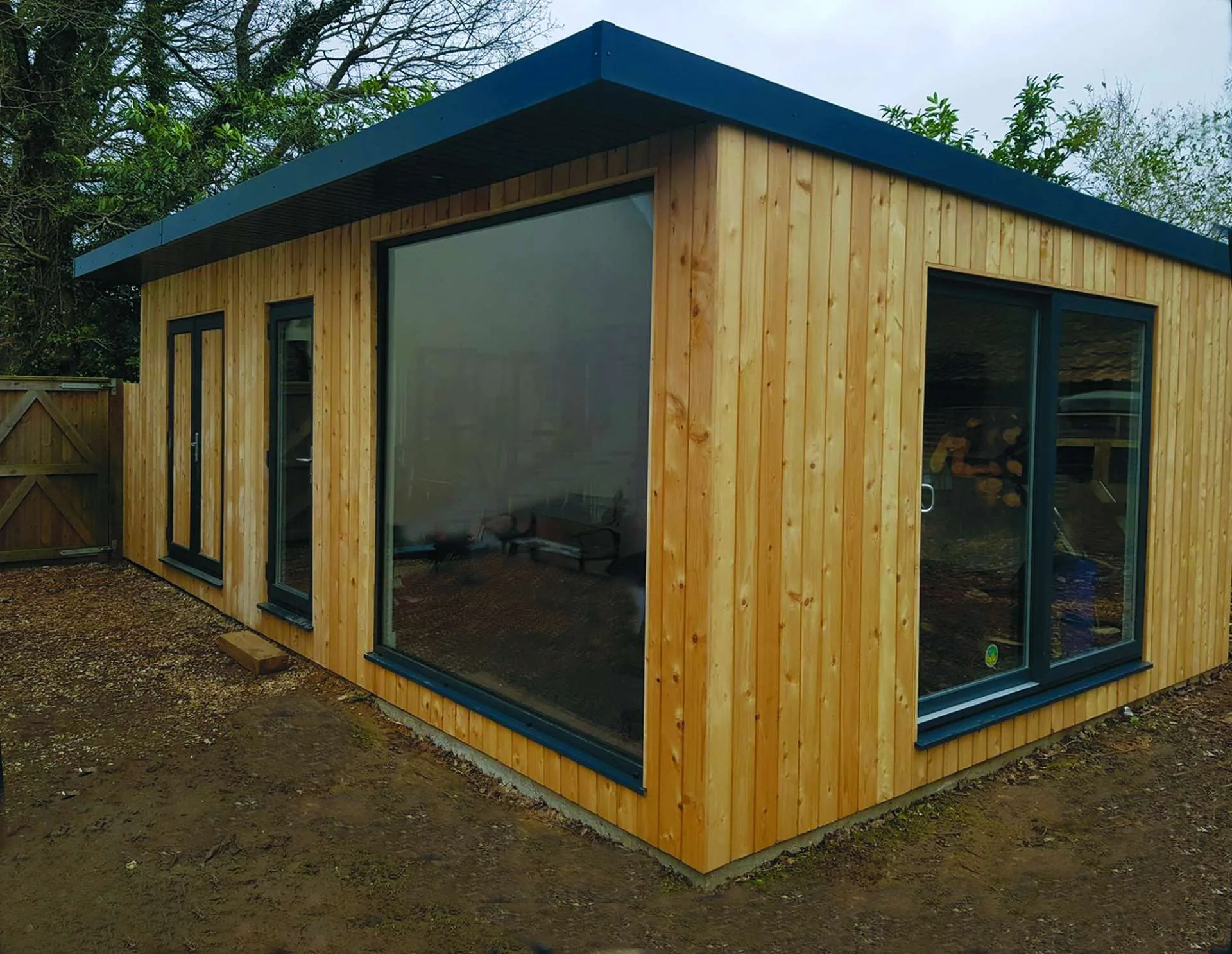
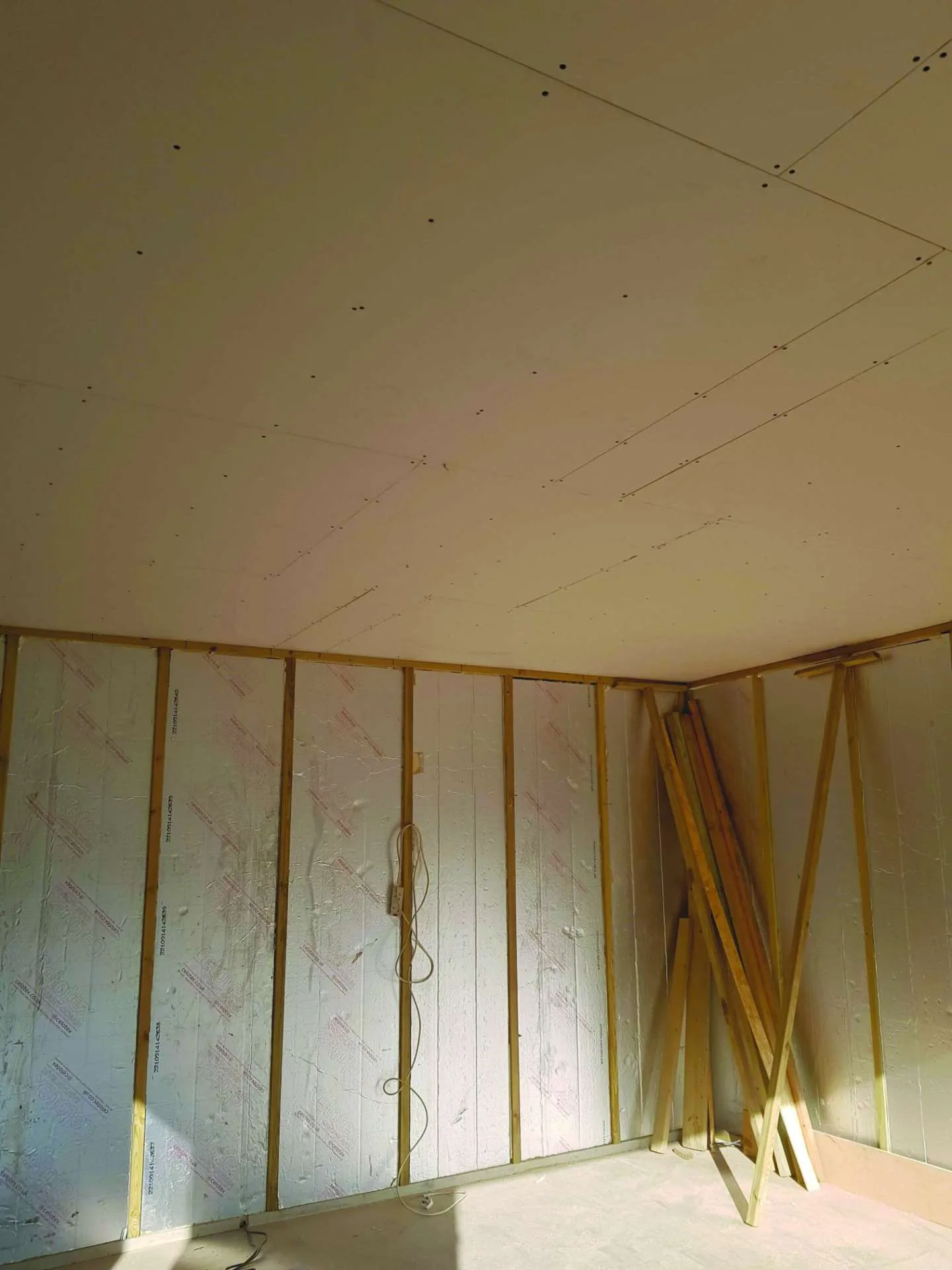
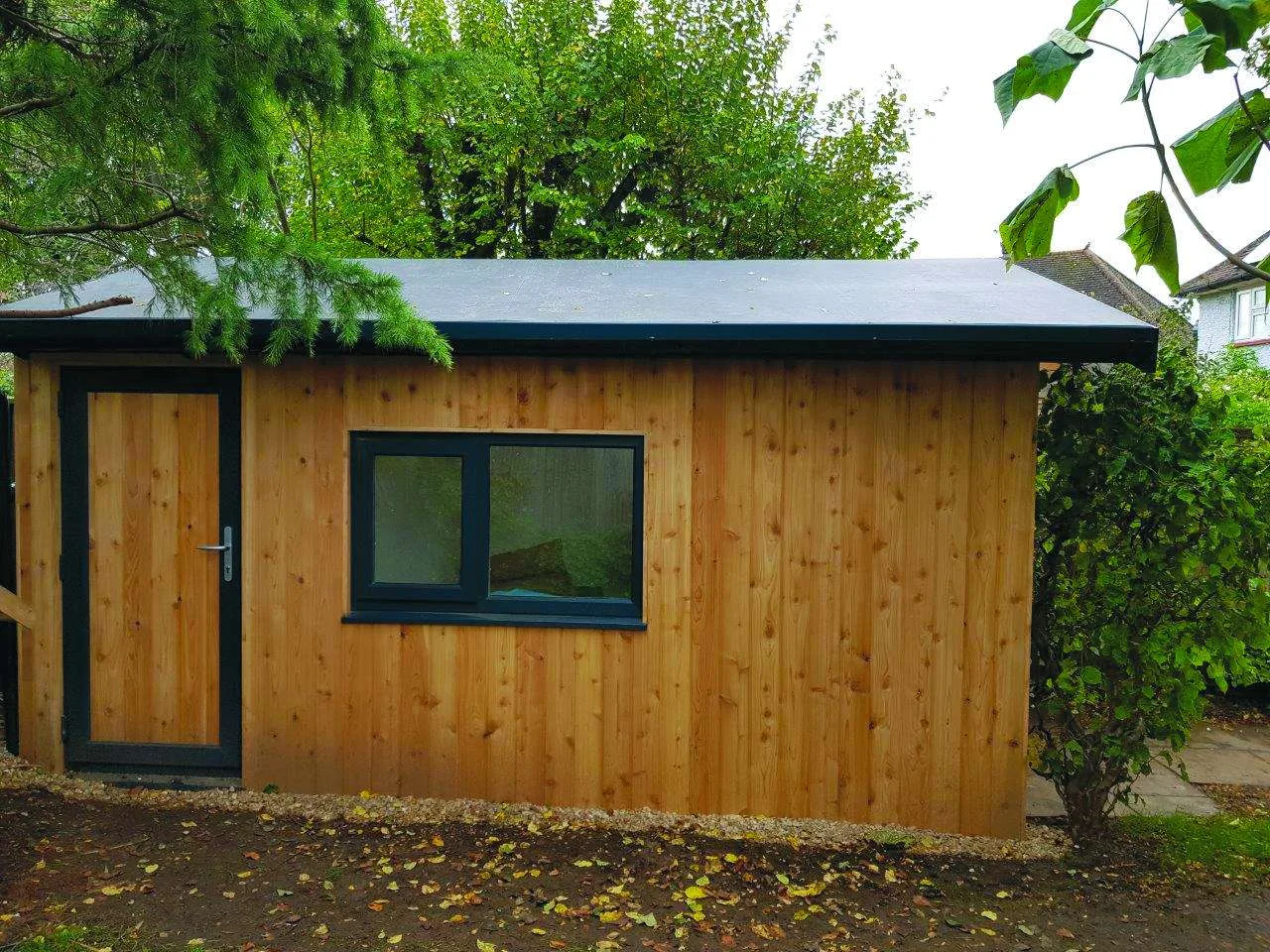
Inside the walls we use breathable membranes and vapour barriers in the right combination. In construction, breathability is one of the most important concepts. A garden room must prevent damp from entering, but it must also allow moisture to escape so the space never becomes mouldy or stale. Once the room is properly tanked, insulated, wired and finished, you would never know it had once been a gloomy garage. One client’s old brick building now looks like a little Swiss chalet at the end of the garden. You would never guess what it used to be.
What people actually use garden rooms for
When clients first contact me, they usually have one specific purpose in mind. But very often, the reality becomes something quite different. Over time I’ve realised that most projects fall into 4 broad categories.
1. The multi-purpose family room
This is by far the most common. A couple will say they want an office and maybe space for a treadmill or exercise bike. Typically they’re both professionals working partly from home and they want somewhere quiet to work.
A practical size for this kind of space is usually around 5m x 4m which is enough room for desks, storage and a small fitness area. But here’s something I often tell them during the initial conversation. “If you have children, they’re going to take this over.” People laugh when I say that, but it’s remarkably accurate.
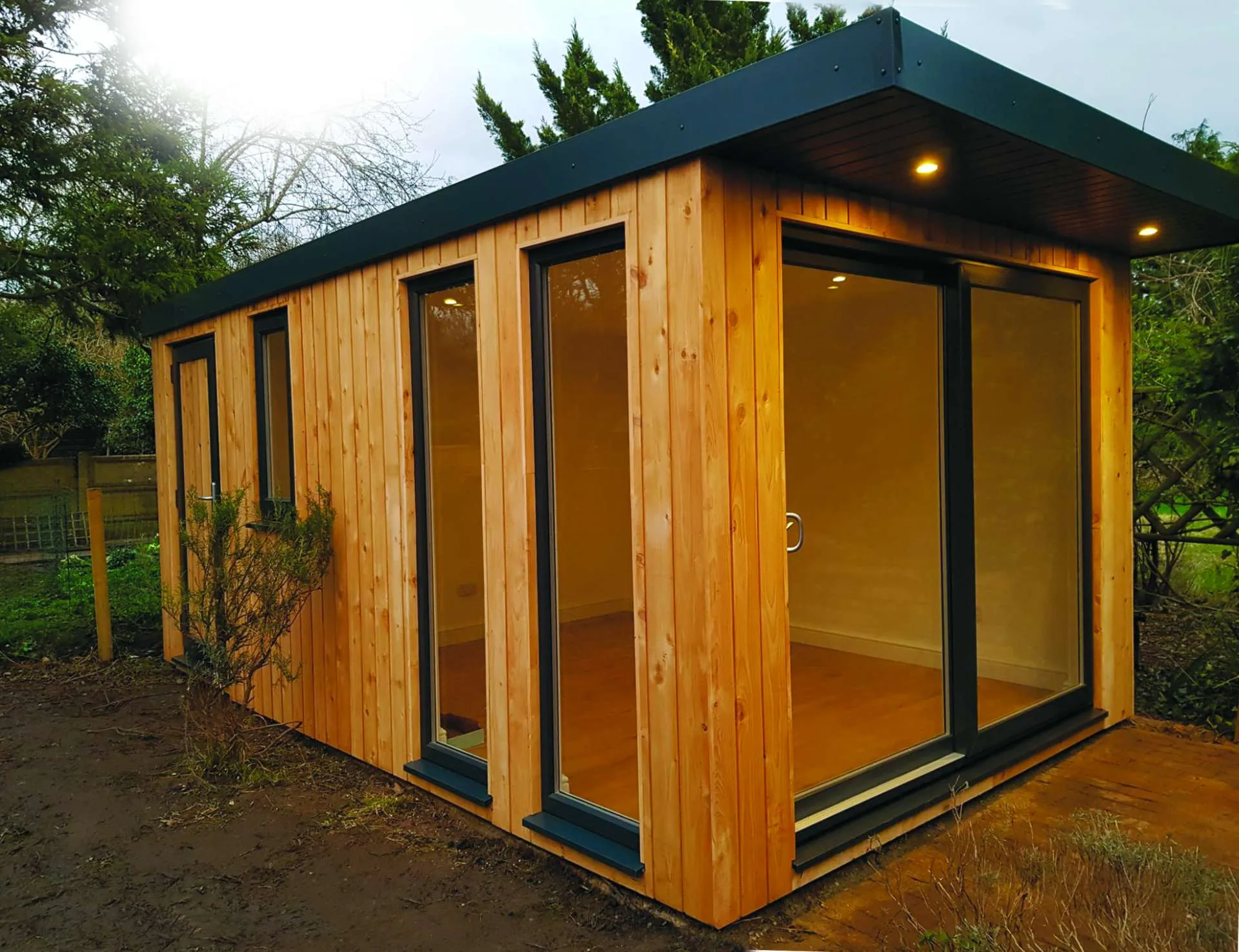
Parents use the room during the day as an office. Perhaps they exercise there in the morning. But in the evening they’re back inside the house, relaxing. That’s when the teenagers move in. Suddenly it becomes the perfect place for gaming, socialising with friends, or simply escaping the house without disturbing everyone else. More than one client has told me later that it transformed family life simply because everyone had their own space.
2. Dedicated gyms
A smaller number of clients want something very specific — a proper gym. These require different considerations. Weight machines can be surprisingly tall and heavy, so the ceiling height and structural strength of the floor become important.
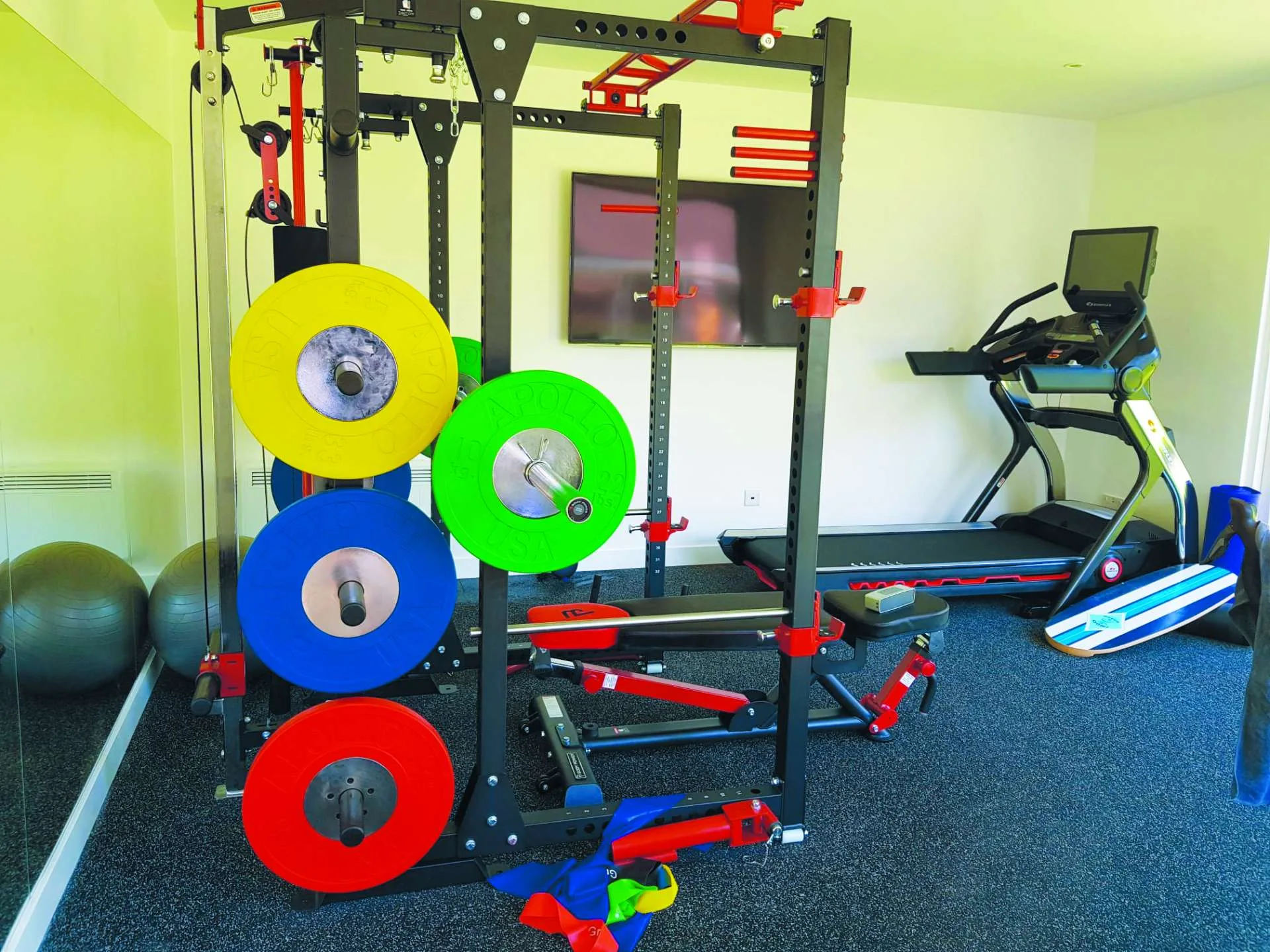
For one project near Cranleigh we built a gym with a ceiling height of 2.6m so the owner could install professional equipment. The floor structure had to be designed with heavy-duty joists placed closer together to distribute the weight of lifting machines. If someone asks for a gym, that’s exactly what they mean. There’s rarely any talk of it becoming anything else.
3. Professional studios
Another growing category is professional workspace. Many people run small businesses from home — beauty therapists, physiotherapists, counsellors and similar professions. Often they’ve been working out of a spare bedroom for years. A garden studio can change everything. Instead of clients walking through the house past the laundry basket and the cat, they arrive at a dedicated treatment space. It instantly feels more professional.
One client told me the biggest benefit wasn’t just the extra room in the house, it was the psychological separation. When she shuts the studio door at the end of the day and walks back up the garden to the house, work is finished. That simple act creates a boundary between work and home life that many people struggle to maintain when working remotely.
4. Additional living space
Sometimes people ask whether the room could be used as accommodation for a family member — perhaps an adult child saving for their own home, or an elderly parent who wants to remain close to family. It’s possible, but it comes with more regulations and practical considerations. If you start adding showers, kitchen and full bathroom facilities, the project becomes closer to building a small house. The electrical supply, plumbing and planning requirements become more complex. For that
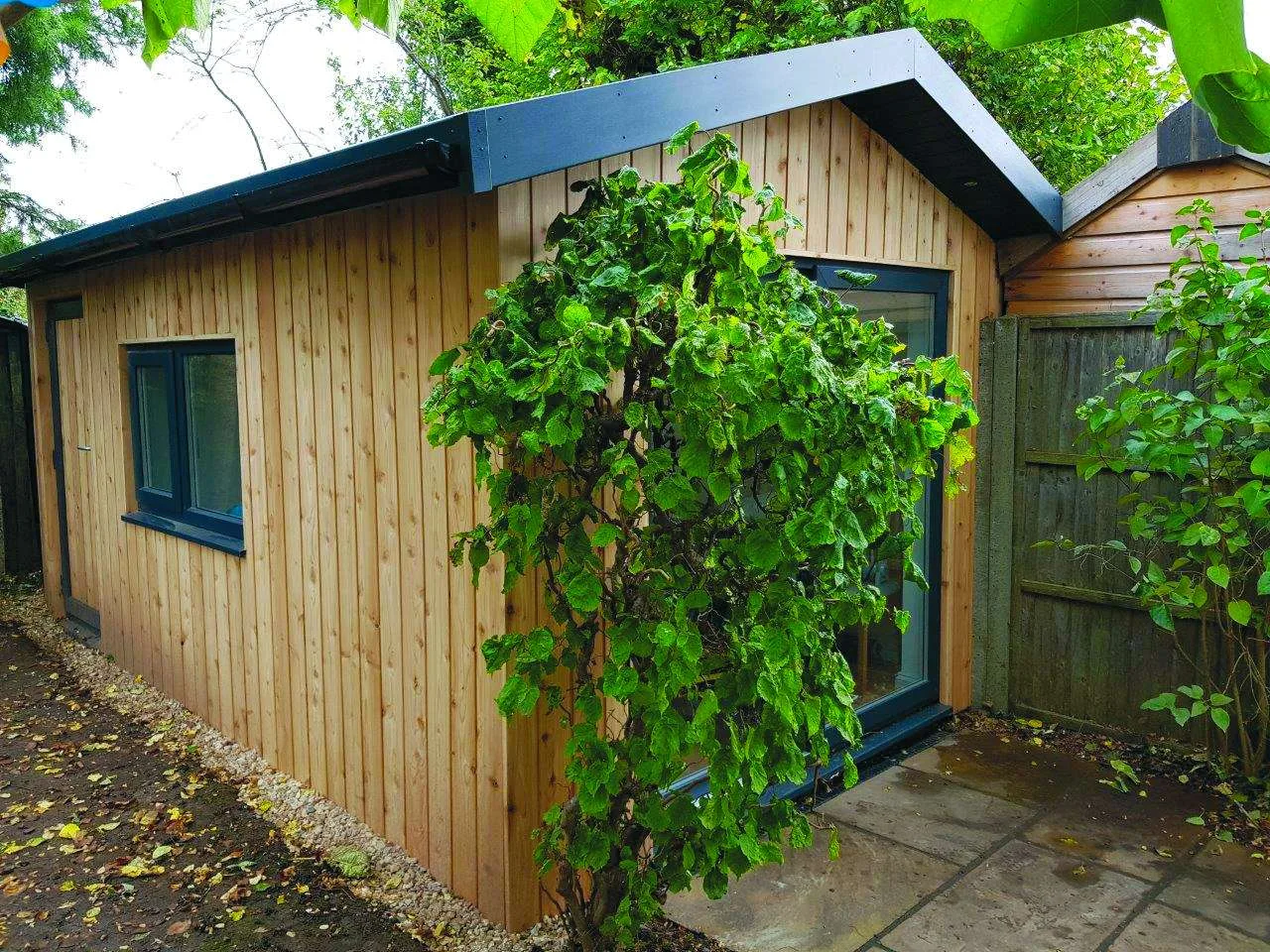
reason, we often advise clients to think carefully about exactly what they need. In many cases a simple toilet and wash basin is sufficient. But the important thing is that the flexibility exists.
Designing a room that belongs in the garden
One part of the process that clients often underestimate is positioning. Where the room sits in the garden matters enormously. I spend a lot of time discussing this during the planning stage. Considerations include – where does the sun rise? From which direction does the weather usually come from? How will the building look from the house?
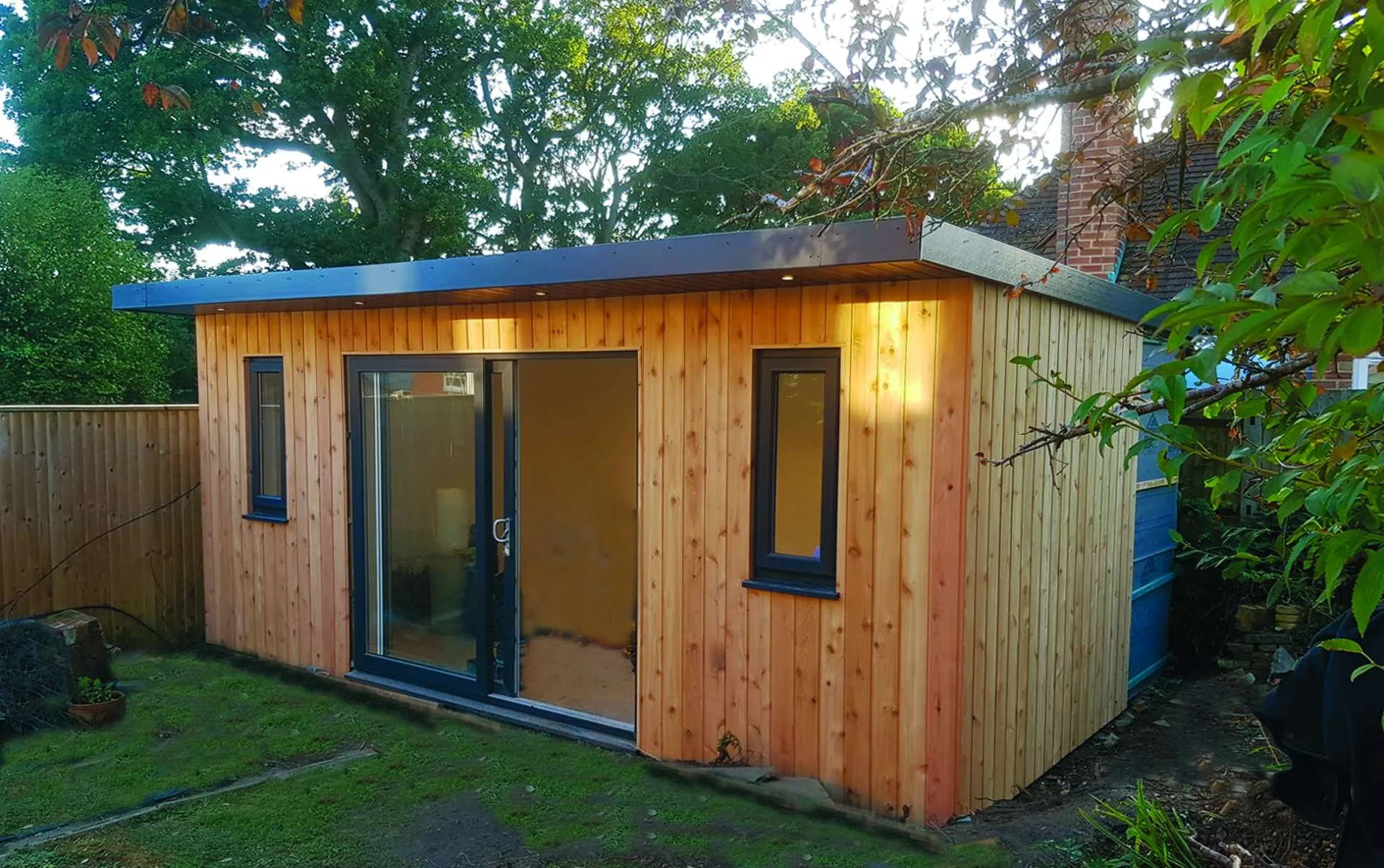
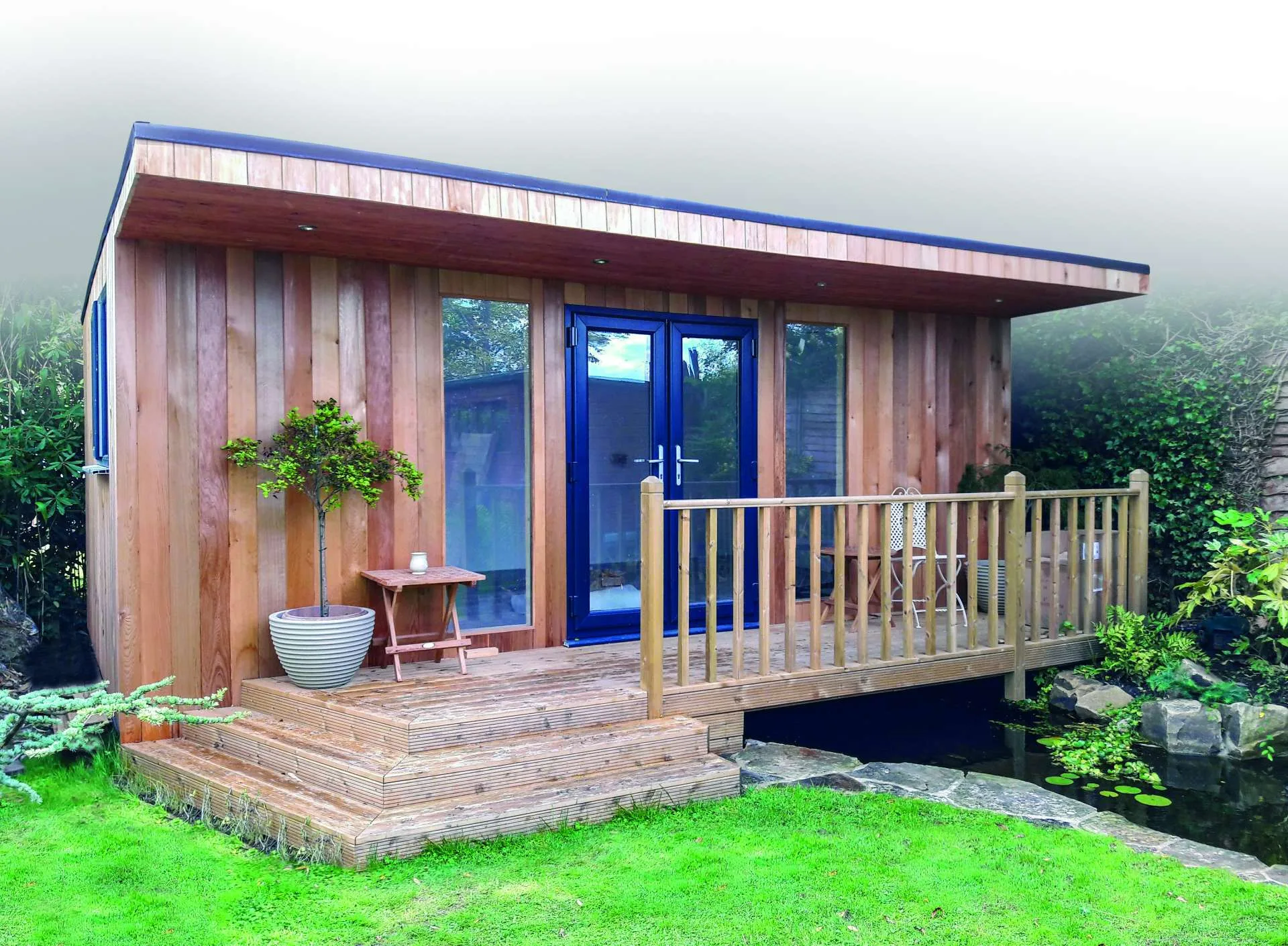
Sometimes moving the structure just a few metres makes all the difference. In one project the client originally planned to place the room in the middle of the lawn, which would have left awkward unused spaces on either side. By shifting it closer to the boundary and incorporating a storage section at the side, we created a far more practical layout. Now the main room is a beautiful office and relaxation space, while the integrated store keeps bikes and garden equipment neatly hidden away.
From rough corner to finished space
We’re not landscapers, but we always aim to leave the garden looking as good as, or better than when we arrived. Sometimes clients already have landscaping plans in place. Other times we simply level the surrounding ground, add fresh topsoil or prepare the area for decking or artificial grass. The goal is always the same: when the project is finished, the garden room looks like it belongs there.
A worthwhile investment
Of course the question people ask is what is the cost. For a fully finished, insulated, electrified garden room, ready to move furniture into, projects typically start somewhere around £20,000 to £25,000 depending on size and specification.
That includes groundwork, electrical connection to the house, interior plaster finish, flooring, decoration and certification by a qualified electrician. Some companies operate using “tick box” pricing, charging extra for electrics, plastering or other essentials. That’s never made much sense to me. If you’re building a room, it should be ready to use. Of course, if clients want additional features such as decking or bespoke finishes, those can be added. But the aim is always to deliver a complete space rather than a half-finished shell.
Realising what’s possible
The most rewarding part of my job is watching people realise what’s possible. They begin by apologising for the awful garage at the end of their garden. They assume it needs knocking down. By the time the project is finished, that same space has become their office, gym, studio or retreat — a place they use every day. And quite often they tell me something else as well – “I wish we’d done this years ago’’.
For further information contact
Matt Newell
m: 07718 519454
e: [email protected]
www.formatgardenrooms.com