
by Miki Marks
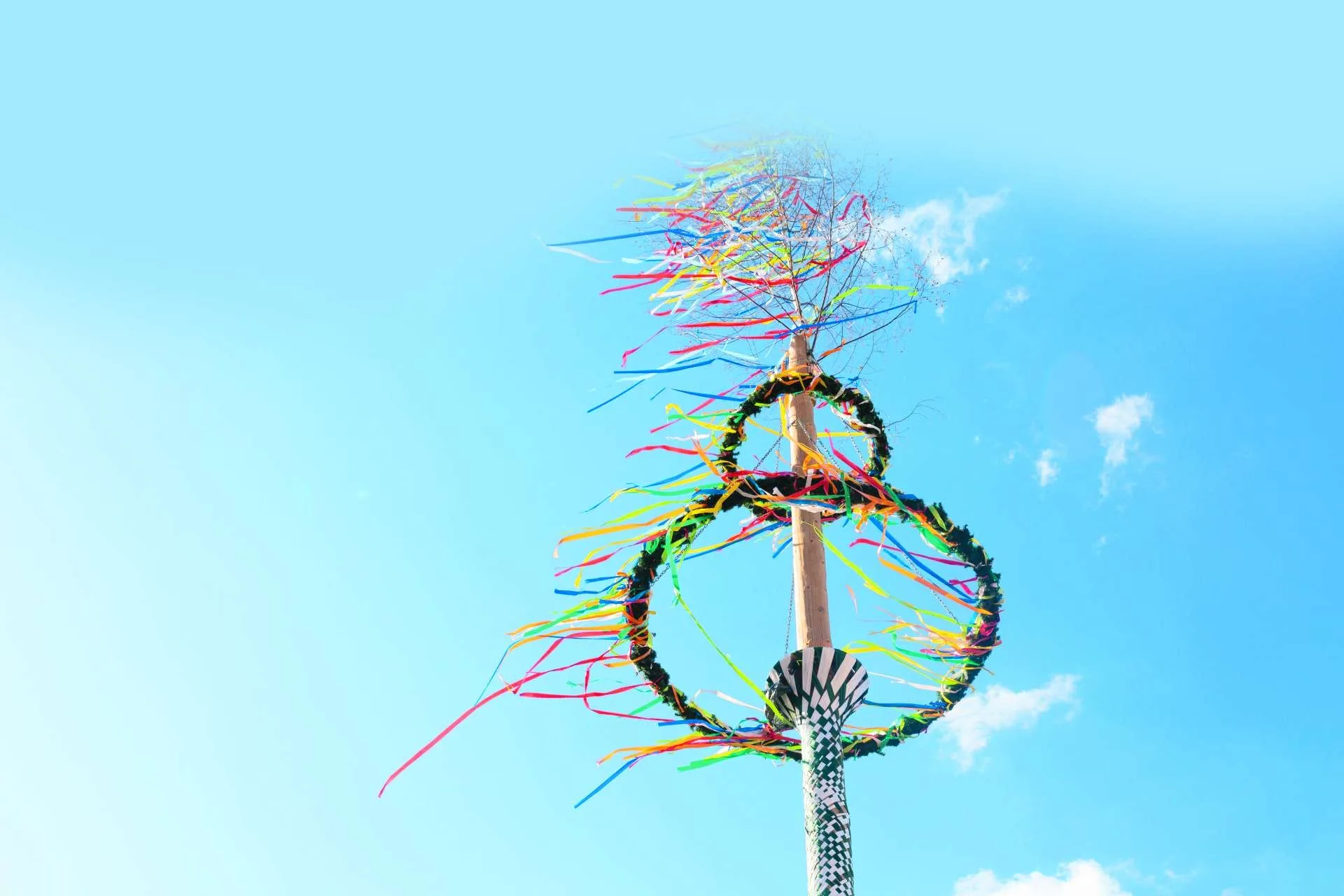
The Cailleach, the Celtic hag of winter, has finally been banished on the 1st May. The sun is higher and warmer, the days are long and the growth is fresh, green and abundant. The grasses and flowers are growing high enough to sway in the breeze and bring movement and life to a landscape.Traditionally on this day May Queens are crowned, maypoles are danced around on village greens and maidens washed their faces in the early morning dew for a perfect complexion all year round.
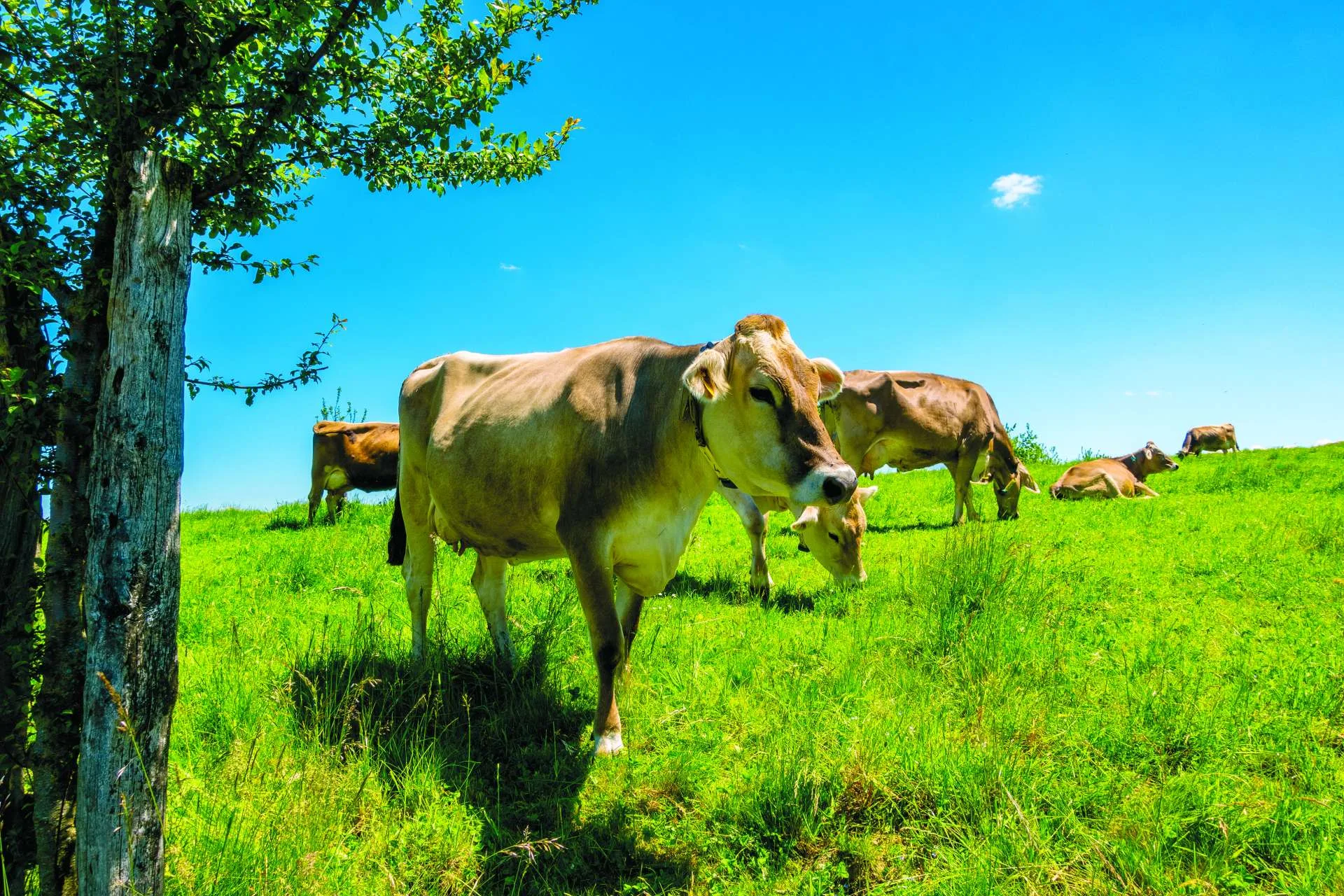
Beltane, which means ‘bright fire’ is an ancient Celtic celebration marking the halfway point between the spring equinox and the summer solstice. For our ancestors marking the seasons was very important and a real excuse for communities to gather and make merry round a bonfire. One of the important activities at this time was driving the cattle out onto their summer pastures. I once witnessed this on a traditional alpine farm and was deeply moved by the sight of the cows actually dancing as they were driven from their confined winter quarters.
Weather patterns are changing so much so that it might be making some of these traditional seasonal markers irrelevant. Daffodils for example, traditionally one of the heralds of spring, are now seen in December.
Joe Shute, naturalist and writer has written a most readable and informative book titled Forecast and subtitled A Diary of Lost Seasons. He quotes an 18th century botanist called Thomas Furley who did not think the division of the seasons into 4 distinctive parts, was accurate. He argued that the divisions were too narrow and therefore not helpful. He came up with the scheme to split the year into 6 periods. Spring would be in 2 parts named ‘Primaveral’ and ‘Vernal’. Summer also split in 2 ‘solstitial’ and ‘aestval’ and finally ‘autumnal’ and ‘brumal’. Not surprisingly, I think, this scheme didn’t catch on. Too many myths and traditional celebrations were long established and the changes did not seem to add anything. Seasons though, are a man-made construct and rely on nostalgic remembering and hopes of continuity in the future. Humans have always wanted to control nature, partly by naming and classifying. Joe Shute, in his latest book interestingly explores reasons why, with climate change, we might need a wider lexicon.
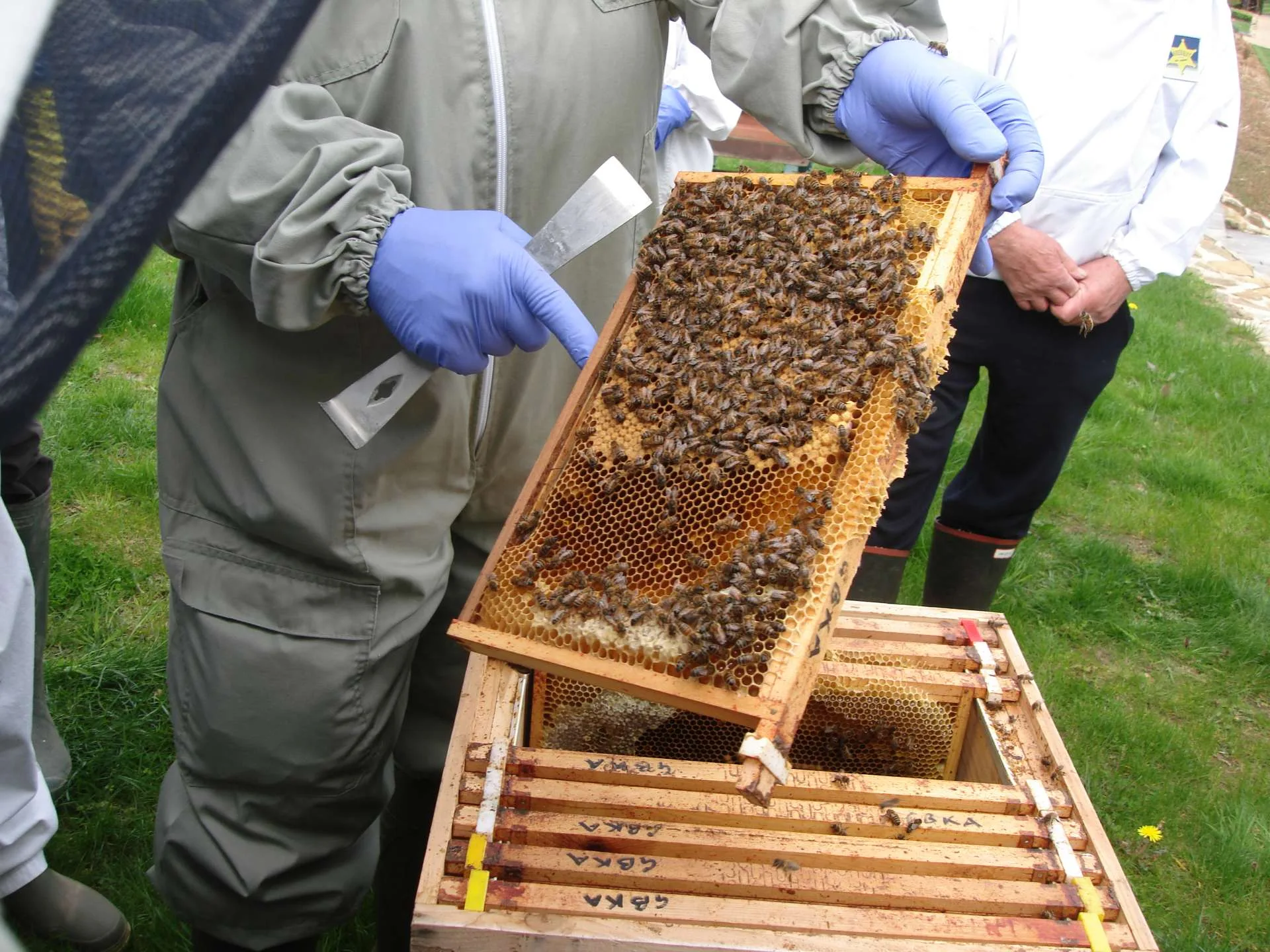
Biologists at the University of San Diego in California have been studying the dances of honeybees called the ‘waggle dances’. After years of study, the scientists believe that they have deciphered the code for the dance and understand the secret of this most advanced form of communication in the animal kingdom. The waggle dance conveys important information about food sources. When a foraging bee returns to the hive after finding a promising site, it communicates the location to its hive mates by performing a dance. The angle of the dance conveys the direction of the food source relative to the sun and the length of the dance indicates the distance to the food source. The bigger the audience, the longer the dance goes on. I think this qualifies as my Wild Wonder of the month!
The word ‘wild’ used in a positive sense means close to its natural state, or it can mean out of control or chaotic. In human history it seems to have mostly the second meaning – nature needed to be controlled and civilised. Now there is a growing tendency to appreciate and value the wild. This is most notable with gardening. It is no longer thought as an improvement of nature but the art of finding a balance with nature, for the benefit of man and the environment.
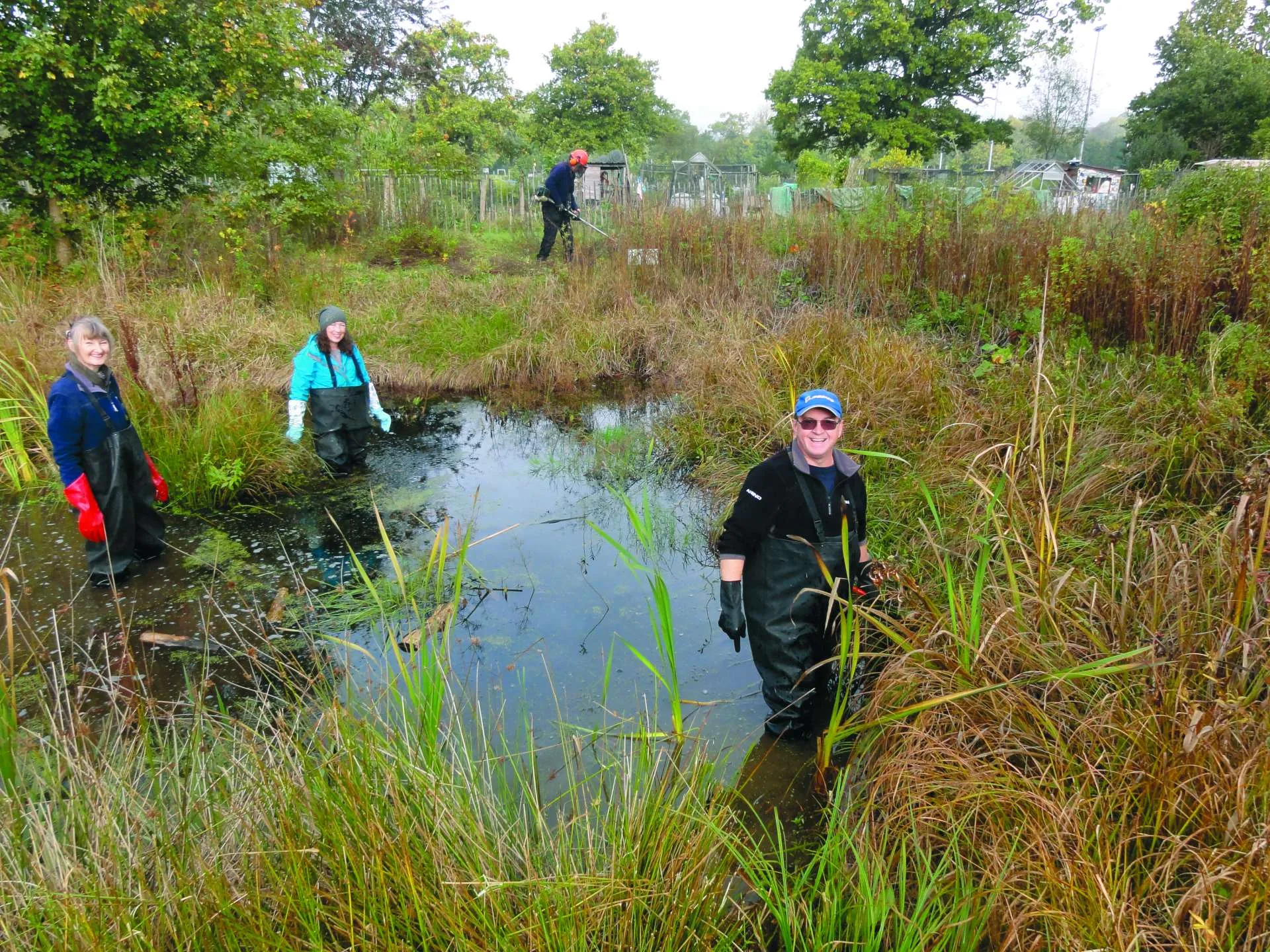
Cranleigh has its own wild place within walking distance of Snoxall playing fields. A valuable place to sit quietly and immerse oneself in nature – which as plenty of research shows, is invaluable for mental health and wellbeing. Many people discovered this site during Covid and have visited it ever since.
It was in 1970 Gordon Harvey gave a field off Knowle Lane ‘for the recreation of the residents of Cranleigh’ in memory of his wife. The site is roughly 2.5 acres and originally it was rented out as allotments. Later 2/3 of the site was re-designated and a nature site created. It was lovingly cared for by a team of dedicated and knowledgeable volunteers and despite its small size, it has become an essential part of the Cranleigh green corridor for wildlife. It is home to a large variety of wildflowers and wild life including deer, stoats and amphibians in the pond. Health and Safety and insurance requirements have spawned the usual convoluted requirements but after a good meeting with the Parish Council, a new volunteer group is being formed under the umbrella of the Cranleigh Civic Society who will liase with the Parish Council to provide the necessary insurance and training. If you would like to take part in this valuable community enterprise go to
www.cranleighsociety.org/[email protected] Have a look!