

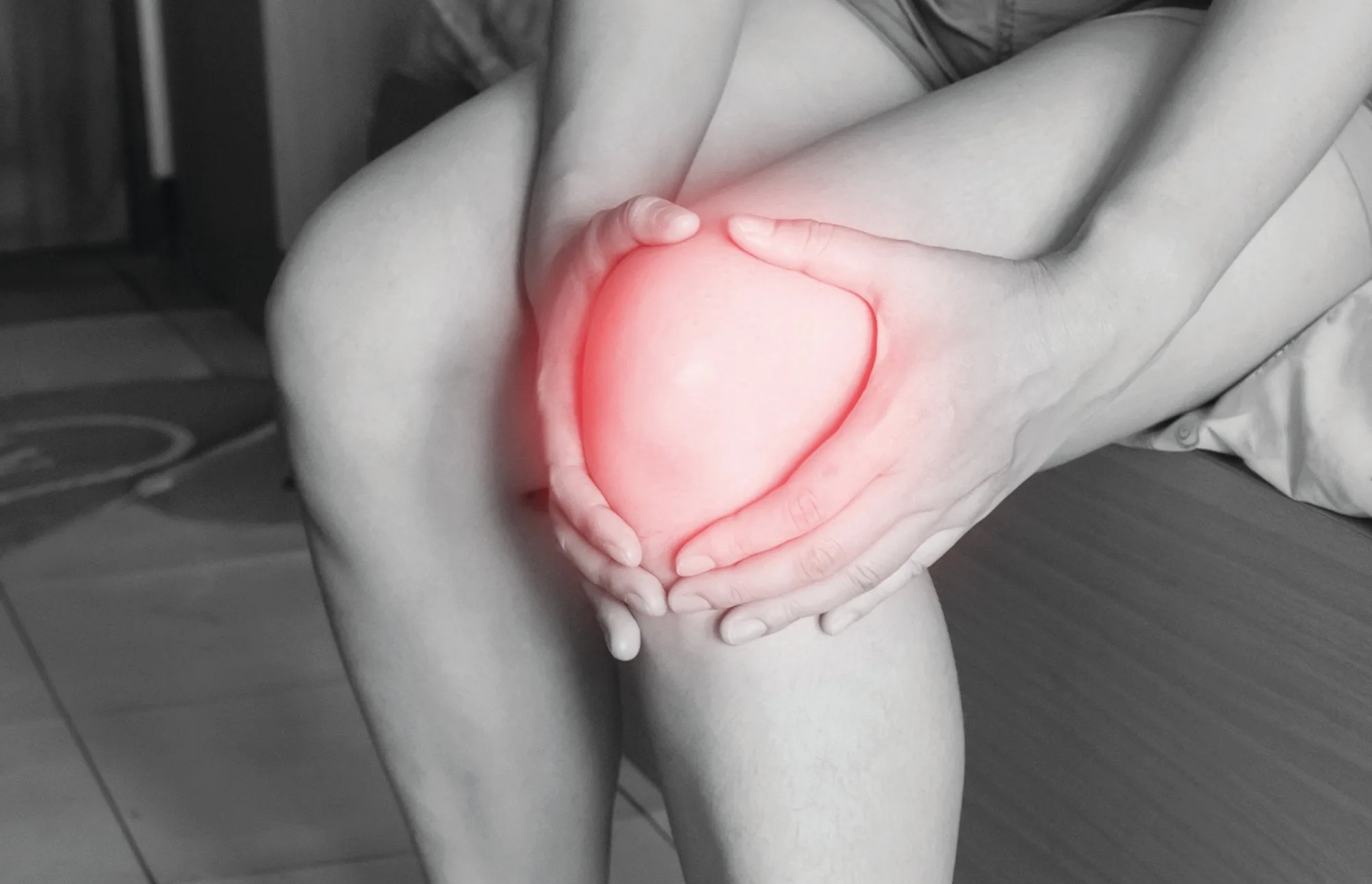
We often hear about inflammation in connection with illness, aches and pains, or long-term health problems. But what exactly is inflammation, why does it matter, and what can we do to keep it under control?
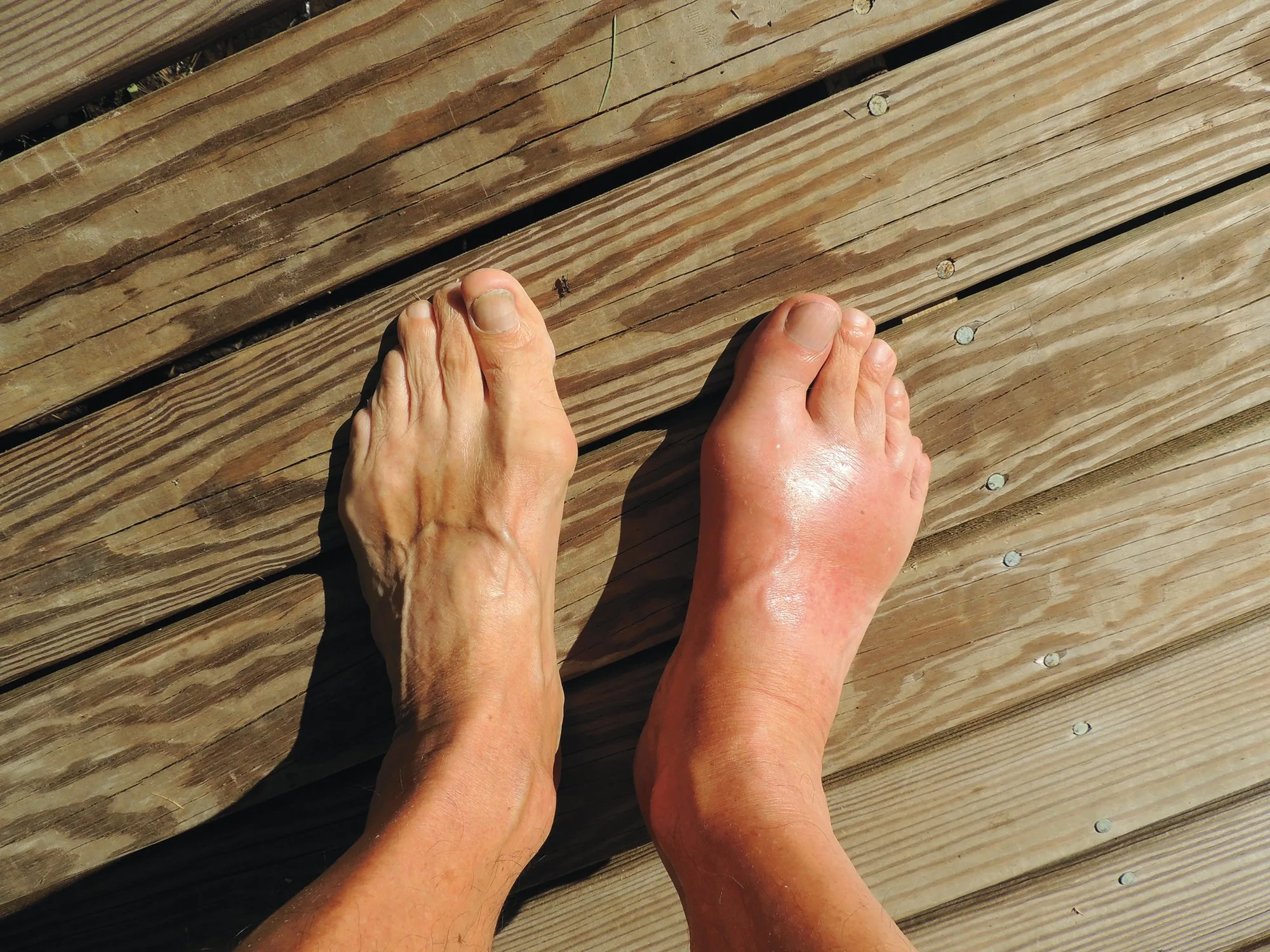
Inflammation is a natural and an essential part of the body’s defence system. When a cut becomes infected or we sprain an ankle our immune system quickly gets to work. The affected area may become red, hot, swollen and painful. This is acute inflammation and it is a sign that the body is working to repair damage and fight the infection or damage. Once the job is done, the inflammation usually settles, allowing healing to take place.
The problem arises when inflammation persists for months or even years. This is chronic inflammation and can occur without obvious symptoms and may quietly contribute to a range of health problems. Research has linked long-term inflammation with conditions such as heart disease, type 2 diabetes, and some forms of arthritis, to name but a few. It is not the sole cause of these conditions, but it can play an important role in their development and progression.
There’s various things we can do to influence inflammation:
Diet. Eat a colourful, balanced diet. Vegetables, fruit, beans, lentils, wholegrains, nuts and seeds provide fibre, vitamins and beneficial plant nutrients. Oily fish, such as salmon, sardines and mackerel, provide omega-3 fats. Fermented foods, such as live natural yoghurt, kefir, sauerkraut and kimchi, are also a useful addition to the diet, helping to provide beneficial bacteria that support gut health, which is closely linked to the body’s immune system and inflammatory responses. Choose a variety of these foods as part of a balanced diet and as much as possible avoid highly processed foods, sugary drinks or processed meats.

Movement. Regular physical activity helps regulate the immune system and supports heart health, healthy blood sugar levels and weight management. Walking, gardening, cycling, swimming or dancing all count. The best activities are the ones you enjoy and can sustain.
Sleep and stress. Poor sleep and prolonged stress can affect the body’s inflammatory responses. Aim for a regular sleep routine and find simple ways to unwind, whether through time outdoors, deep breathing, hobbies or connecting with friends.

Smoking and drinking alcohol. Smoking and alcohol both promote inflammation throughout the body. There is no safe limit to smoking and in the UK drinking guidelines state that no more than 14 units should be consumed in a week, spread over three or more days.
We cannot control every influence on our health, but small consistent changes do add up. A nourishing meal, a daily walk, a good night’s sleep and time spent with others are simple ways to reduce inflammation and improve our general wellbeing.
This article first appeared in the November 2026 issue of Cranleigh Magazine. Pick up your free copy around the village, or read more at cranleighmagazine.co.uk.