
I’m fully charged, primed and on the lookout this month as I hope to discover a very scarce visitor to the Cranleigh area.
Over the next few weeks I will be searching a variety of habitats favoured by a Robin-sized passage migrant who might otherwise be easily overlooked.
Farm buildings, stable blocks, manure heaps, construction sites, rubble piles, old churches and house roofs. Maybe one could surprise you and even turn up in your garden.
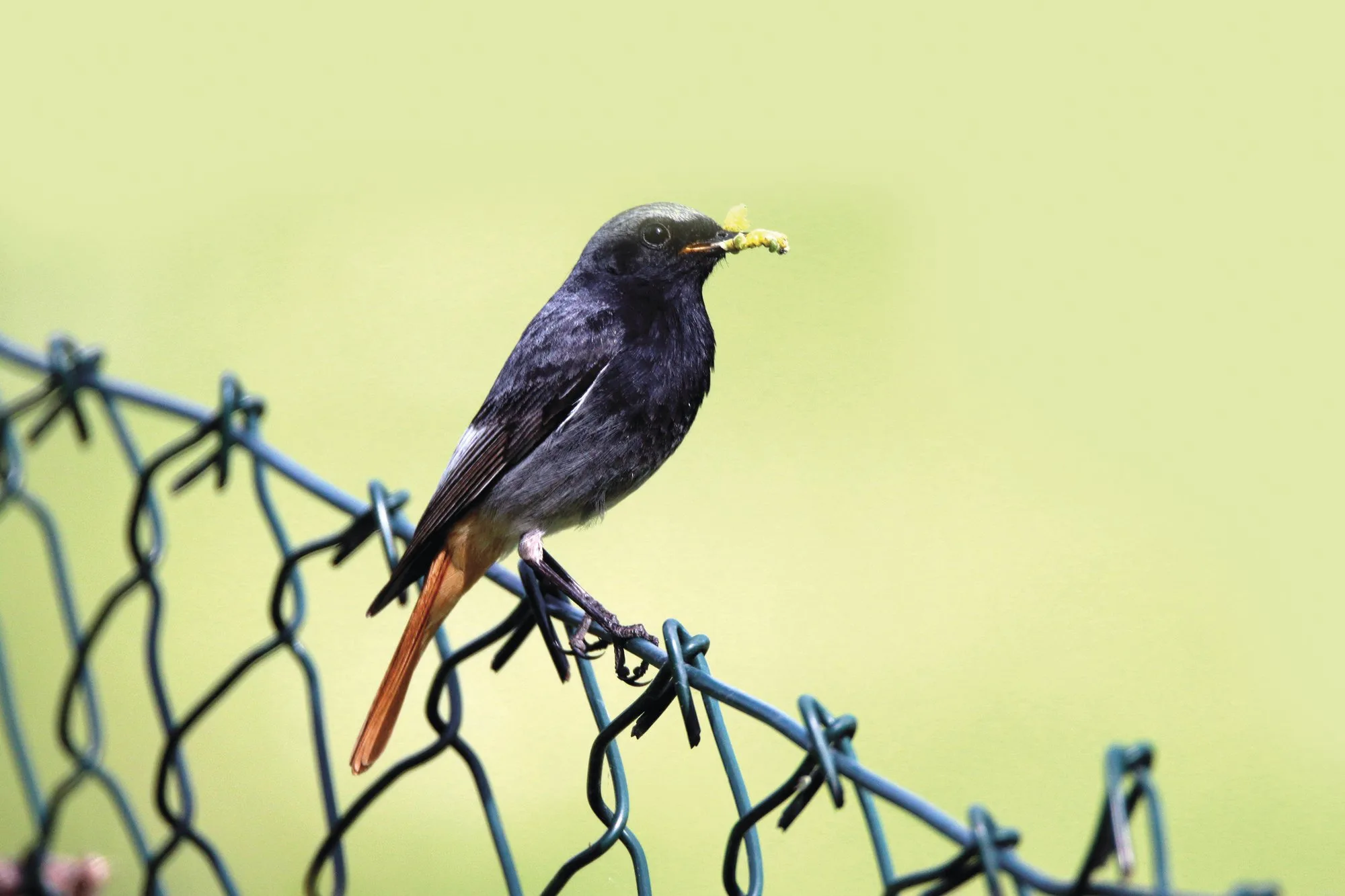
My target, in the month we remember the foiled Guy Fawkes’ gunpowder plot to blow up the Houses of Parliament in 1605, could hardly be more appropriate. It is the Black Redstart.
After World War II this bird was widely known as ‘the bomb-site bird’ because the resulting wasteland in London, and many cities, provided ideal nesting habitat similar to its favoured breeding areas on rocky mountainsides elsewhere in Europe.
The Black Redstart first bred in Britain in 1845 but nearly 100 years passed before it nested in Surrey, where it sometimes overwinters and remains a very scarce breeding summer visitor.
‘Black Reds’, as we call them, look superficially like the Common Redstart, a summer visitor to Britain that is sadly not commonly seen locally anymore and no longer breeds.
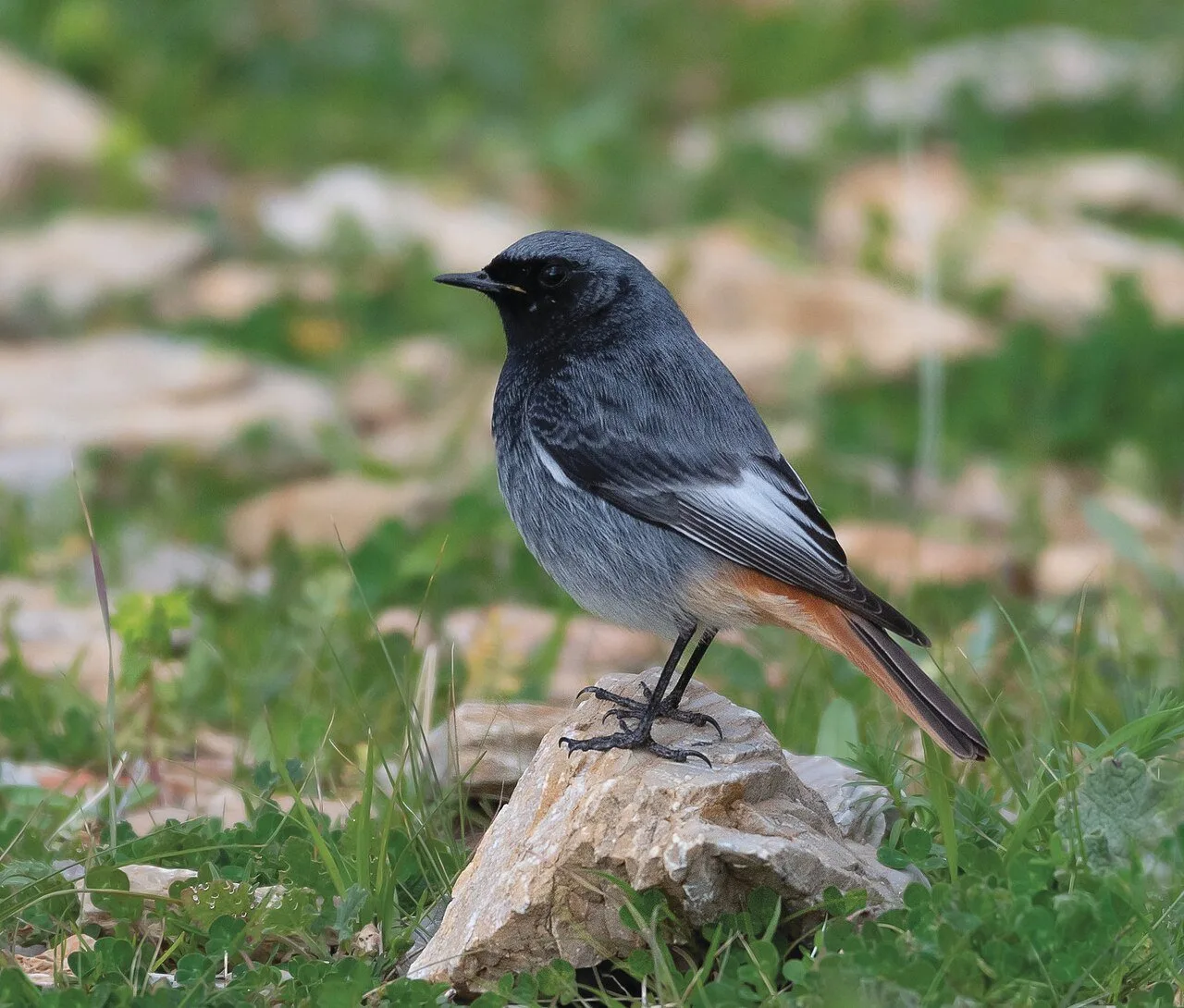
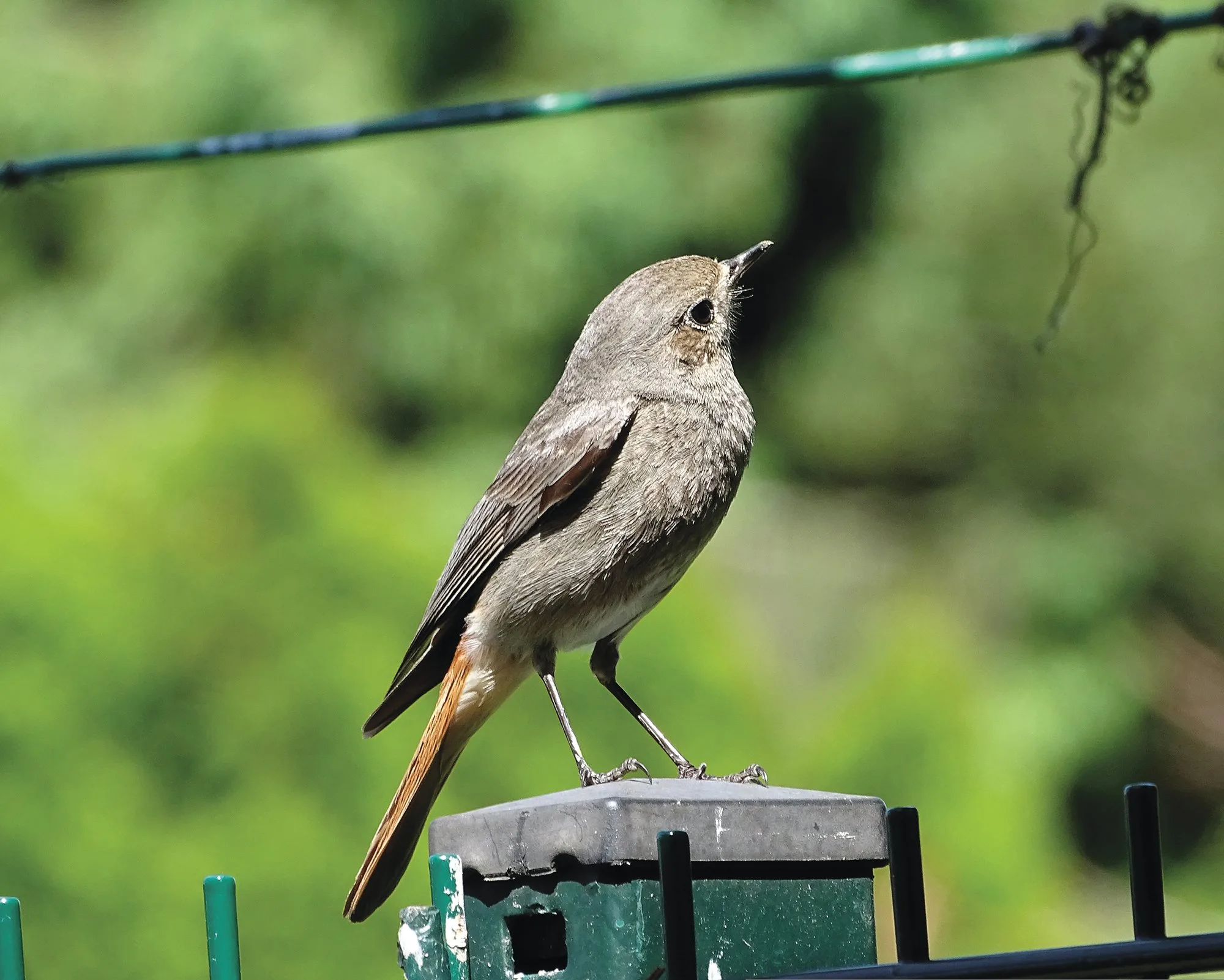
Adult males have a black face and grey underparts (orange on the Common), with a distinctive white wing patch and a dazzling rusty orange tail, invariably vibrating as if fully charged by electricity. Females are grey/brown but still display the quivering tail.
I am aware of only 15 records of what birders call the ‘Black Red’ in Cranleigh and Ewhurst since the first was reported 62 years ago. It was in early April, like the majority of records, but they can turn up in the county from now and through the winter.
The first overwintering record was a male dancing around the roof and gutters of the quad at Cranleigh School. It was noted on Christmas Eve 2004 and stayed at least until January 23rd of the following year.
Others have also surprised and delighted observers at the old West Cranleigh Nurseries, on the drive of a house in Cranleigh Mead, Wyndham Crescent (during fog), Baynards, an Amlets Lane garden, on a garage roof in Chart’s Close, and a horse paddock off Smithwood Common Road. So they really can turn up anywhere.
Last November a video sent to me one late rainy afternoon from my friend Wes revealed another on a more typical site for this species: the roofs of a Cranleigh farm. I arrived just in time to see it and was rewarded by finding an accompanying second bird in the gathering gloom.
The Black Redstarts both appeared to be first-winter birds and were still there the next day, constantly flitting about above a cow shed to feed on a swirling feast of flies.
They entertained not only birders but a variety of interested passers-by who stopped to politely inquire why we were all looking through telescopes at an asbestos roof. They got excited too when we showed them.
The species is usually shy when humans are about but, if there is one around, then it is often easy to see because it likes to be on the alert and in a prominent position. Its loud, rattling song also gives it away.
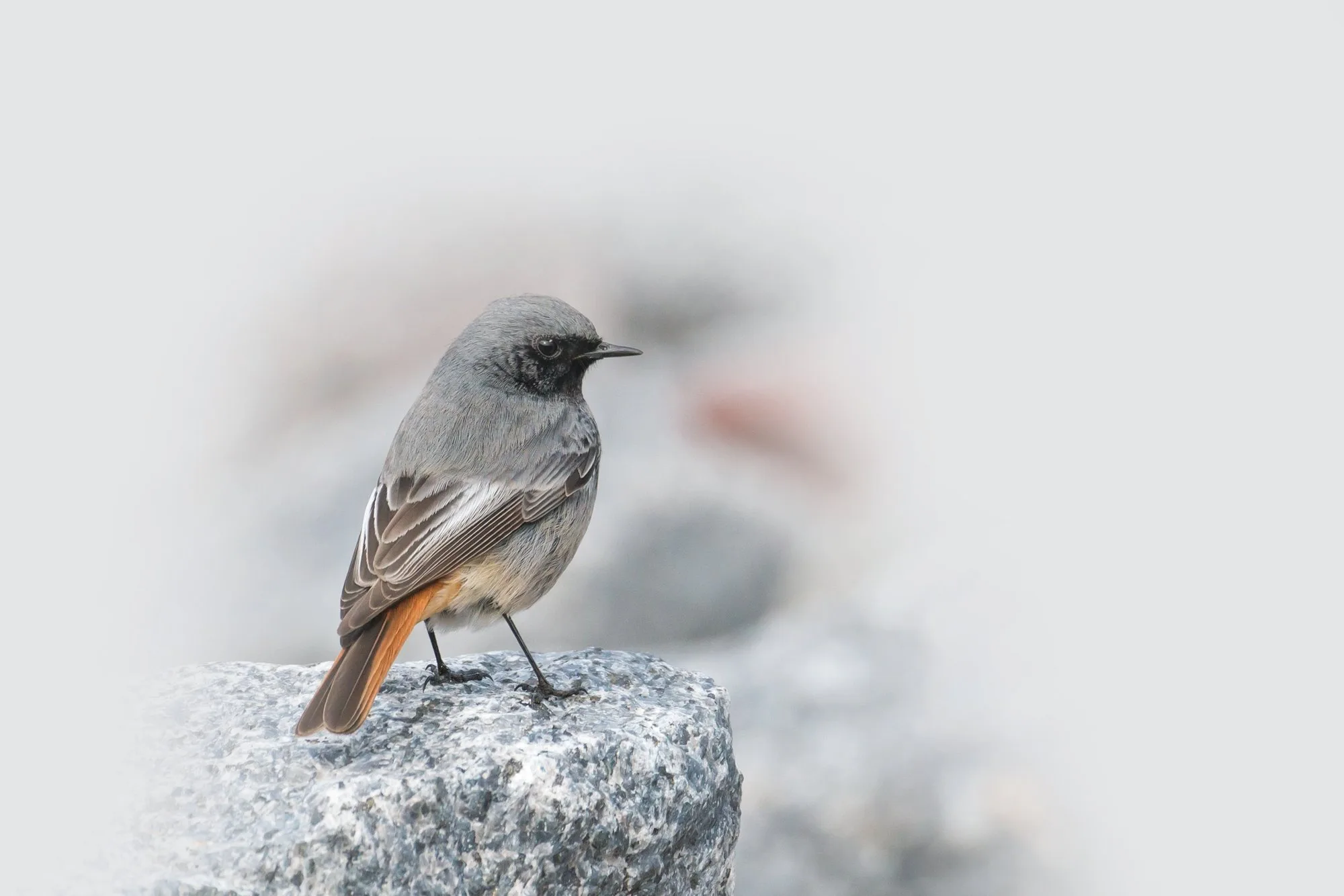
I discovered one early one morning singing from a Guildford High Street rooftop and, more recently, one was heard several storeys up in London’s Oxford Street. Until the traffic noise drowned it out.
But they are much easier to find along our south and east coasts where they take advantage of suitable lookout posts on cliffs and tall structures such as lifeboat and power stations.
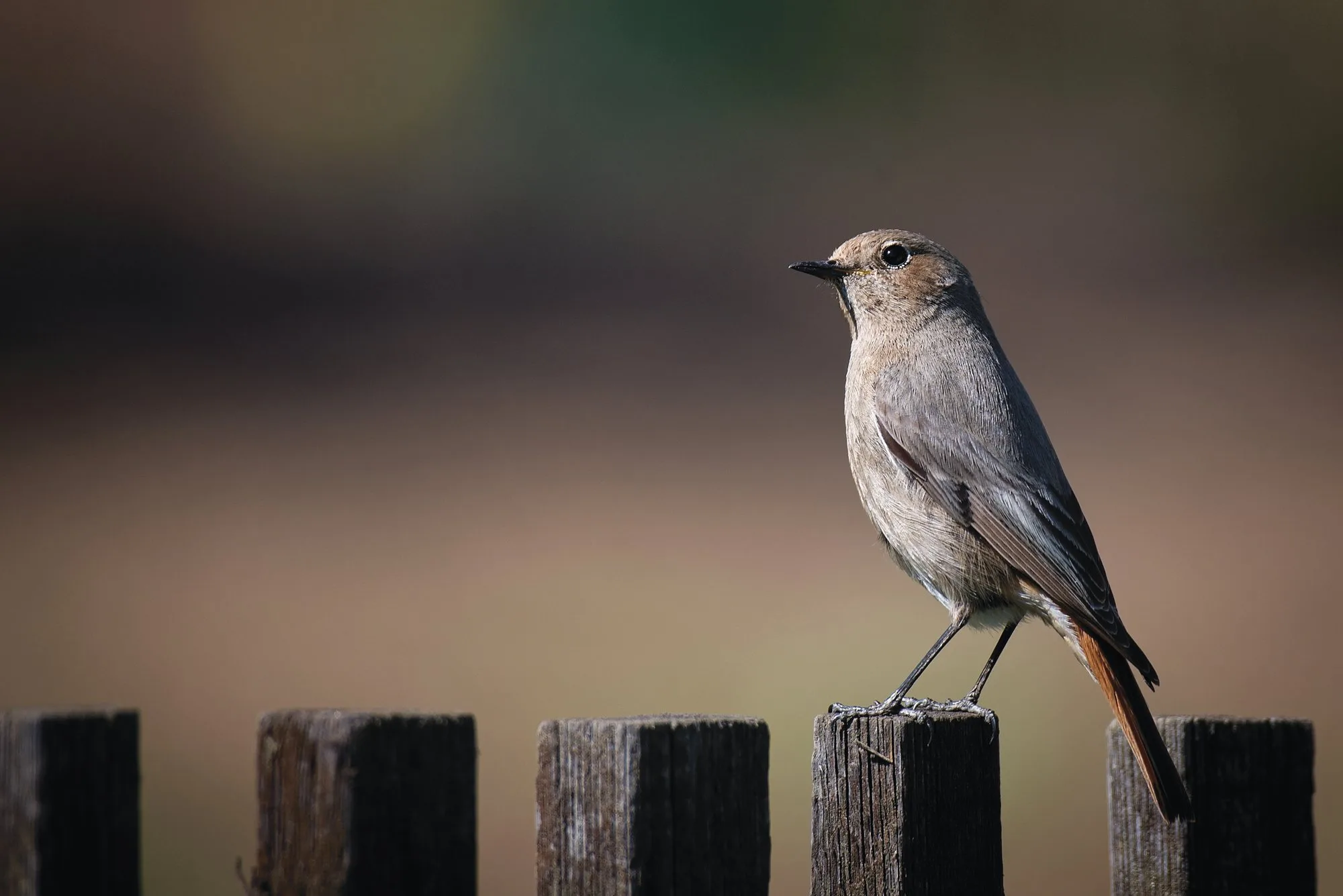
Hopes were high that last November’s Cranleigh farmyard birds would stay a few weeks but sadly, they were not located again.
Follow the Crane Spotter on X: @Crane_Spotter
This article first appeared in the November 2026 issue of Cranleigh Magazine. Pick up your free copy around the village, or read more at cranleighmagazine.co.uk.