
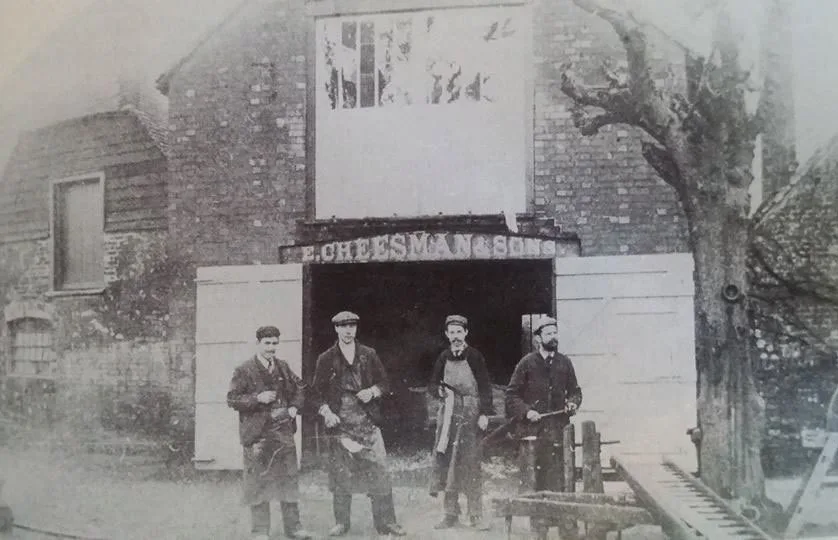
Last month we met James Puttock, the village wheelwright. This month Joy Horn follows the trade into the hands of the Cheesman family, and watches as the railway, the bicycle and the motor car close the door on a craft that had served Cranleigh for centuries.
Mark Cheesman came to Cranleigh from Capel in 1857 to lease the wheelwright’s business from Thomas Puttock, whose father was the subject of last month’s article. He was then a newly-married 27-year-old, who moved into the house and workshop in the path near the parish church called ‘The Causey’. Like his predecessor, Mark seems to have made a comfortable living in the business. In 1881, he was employing four men and two ‘lads’. He served two years as overseer of the poor in the parish. He died in 1891 and his widow Esther carried on the business under her name, with the help of three of her sons, James, Heber and Christopher.
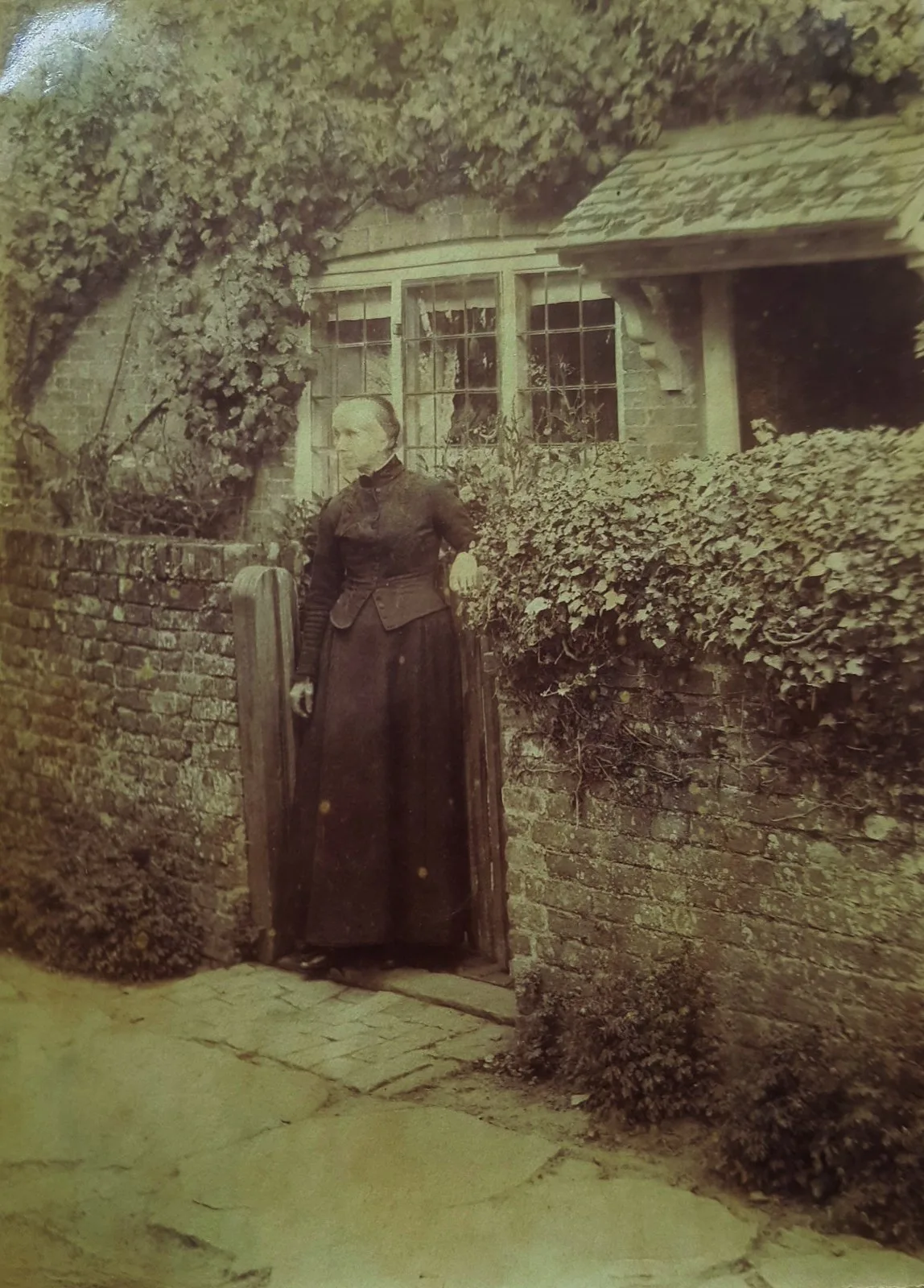
Sometime after 1893, Cheesman & Sons put up a forge in their yard. Wheelwrights needed a blacksmith to help fix the iron rim round their wheels. Previously they had had to walk round to the blacksmith on Luck’s Green (closed around 2022, but the vacant workshop is still there).
A craft under threat
Then after centuries of travel and transport by horse, cart and wagon, with very little alteration in the technology of making wheeled vehicles, there were rapid developments in the 19th century which threatened this ancient craft.
In 1865, the railway reached Cranleigh and immediately outstripped wagons, though wagons and carts were still used to transport goods to and from the railway station and for short journeys locally. (And there were many milkmen and bakers using carts until the 1940s.)
The coming of the bicycle
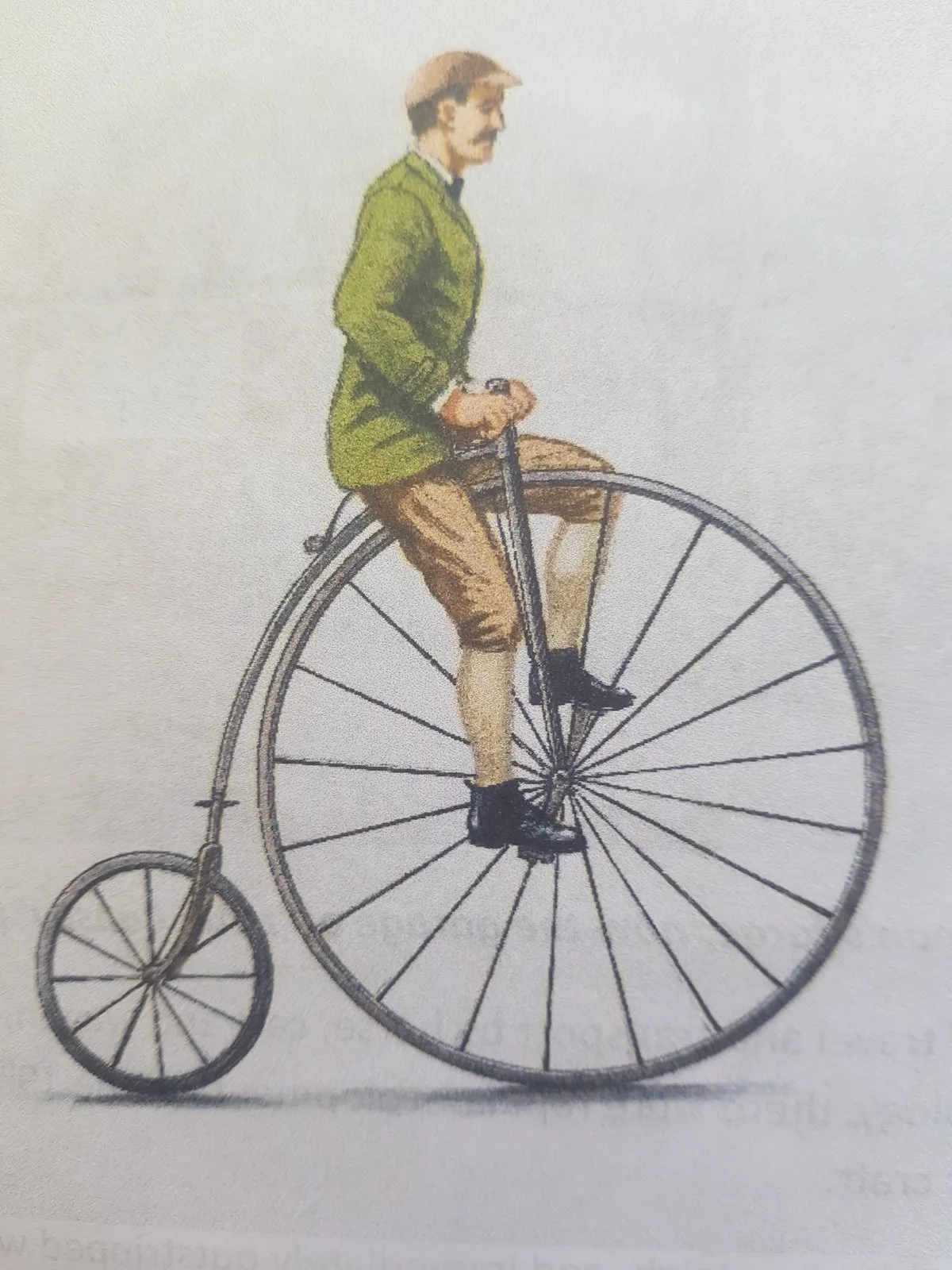
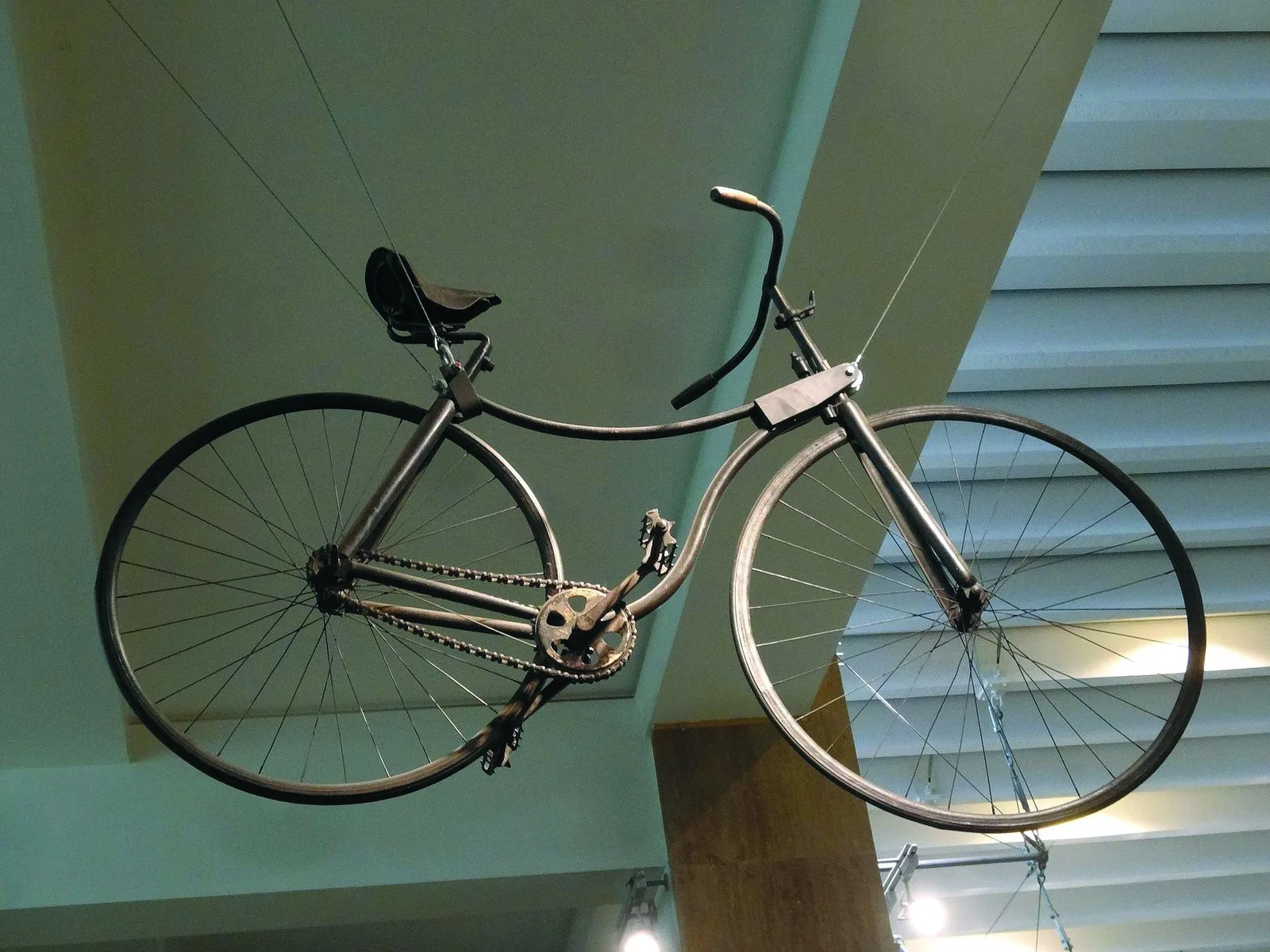
Meanwhile, a cartwright in London called Denis Johnson invented a hobbyhorse in 1819. This was similar to the later bicycle, but was operated by the feet ‘walking’ it along. From then on, there were rapid improvements throughout Europe and the United States and before long, metal wheels, factory-produced, were being used in a penny-farthing bicycle. These had pedals in the centre of a large front wheel, which enabled the machine to travel at considerable speed. They were only for the well-to-do and daring young urban men.
The safety bicycle followed around 1885 and cycling entered the sphere of our Cranleigh apprentices and farm workers, who acquired bicycles as soon as they could afford them. Imagine the freedom and speed of movement this gave them!
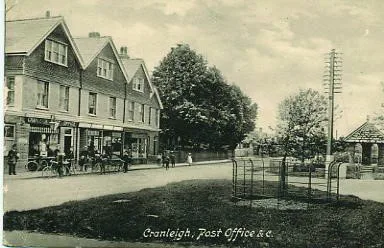
The picture shows plenty of bicycles outside Cranleigh’s Post Office sometime before 1909. The boys are probably waiting to collect and deliver telegrams. Now the tradesman’s boy could deliver by bicycle, with a basket on the front handlebars. Dispensing with a cart saved the expense of keeping a horse.
The motor car arrives
Even more of a threat to the wheelwright was the motor car. Frank Osbourn, who had started life as a plumber, opened a garage in 1910 in Ewhurst Road, where Forbidden City, the Chinese restaurant, is now. He did so well that he moved to more extensive premises on the Shell petrol station site.
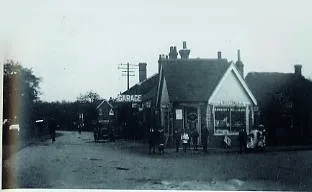
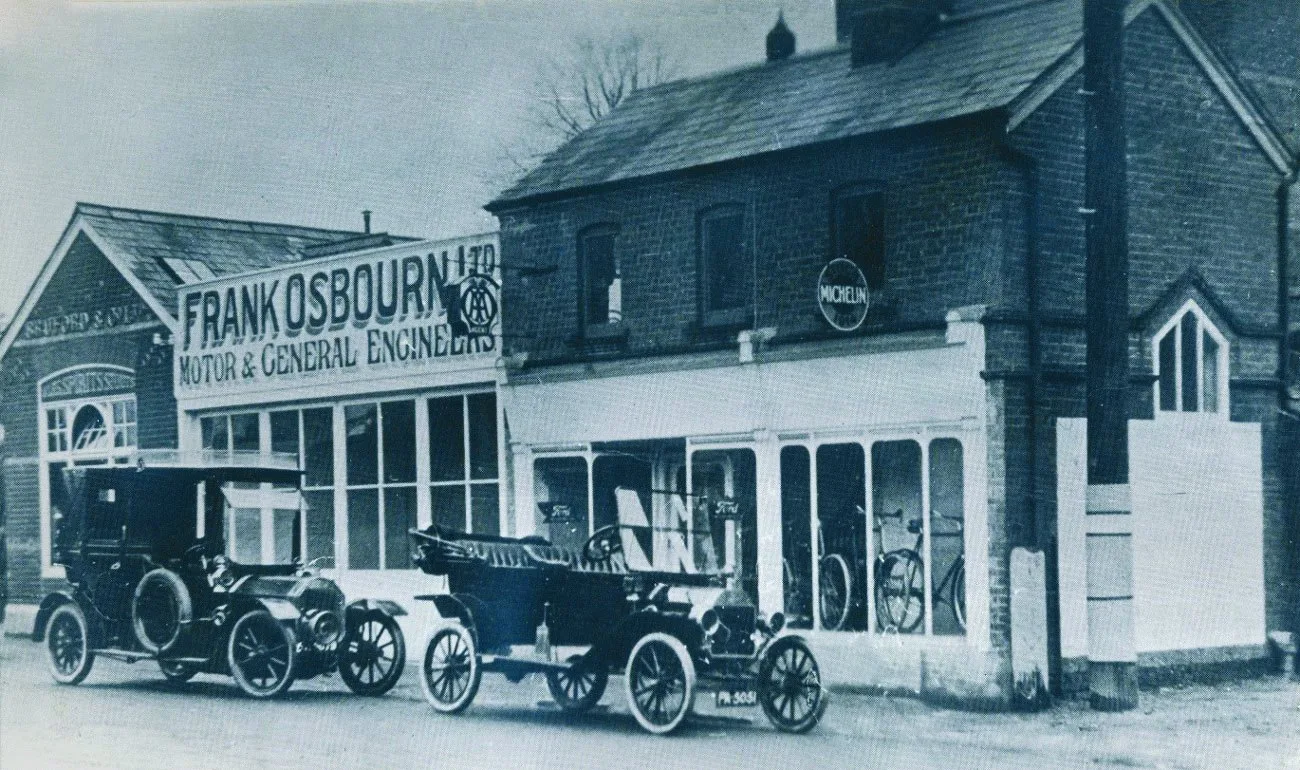
Hotels, pubs and large houses in Cranleigh began to have ‘motor garages’, and even to replace their stables and coach houses with garages. Hapless wheelwrights, throughout the country, must have seen a very sudden slump in demand for their carts and wagons.
“Hapless wheelwrights, throughout the country, must have seen a very sudden slump in demand for their carts and wagons.”
From wheels to sign-writing
By the time of the 1911 Census, Esther Cheesman had died, and James Cheesman, 48, the eldest son, was living with his family in the wheelwright’s cottage. His brothers, Heber, 43, and Christopher, 41, were working with him in the business. But in 1920 they took the decision to leave the premises at ‘The Causey’, and to start a car-body restoration business in the High Street. They had probably already been doing this type of work, alongside that of a wheelwright. The new workshop, complete with its own forge, and with a house called ‘Nethania’ behind, was constructed by Warren’s building firm in 1923-4. Frank Cheesman, son of James, developed the sign-writing side of the business. He changed from painting signs on wagons and carts, to making signs for shops and houses.
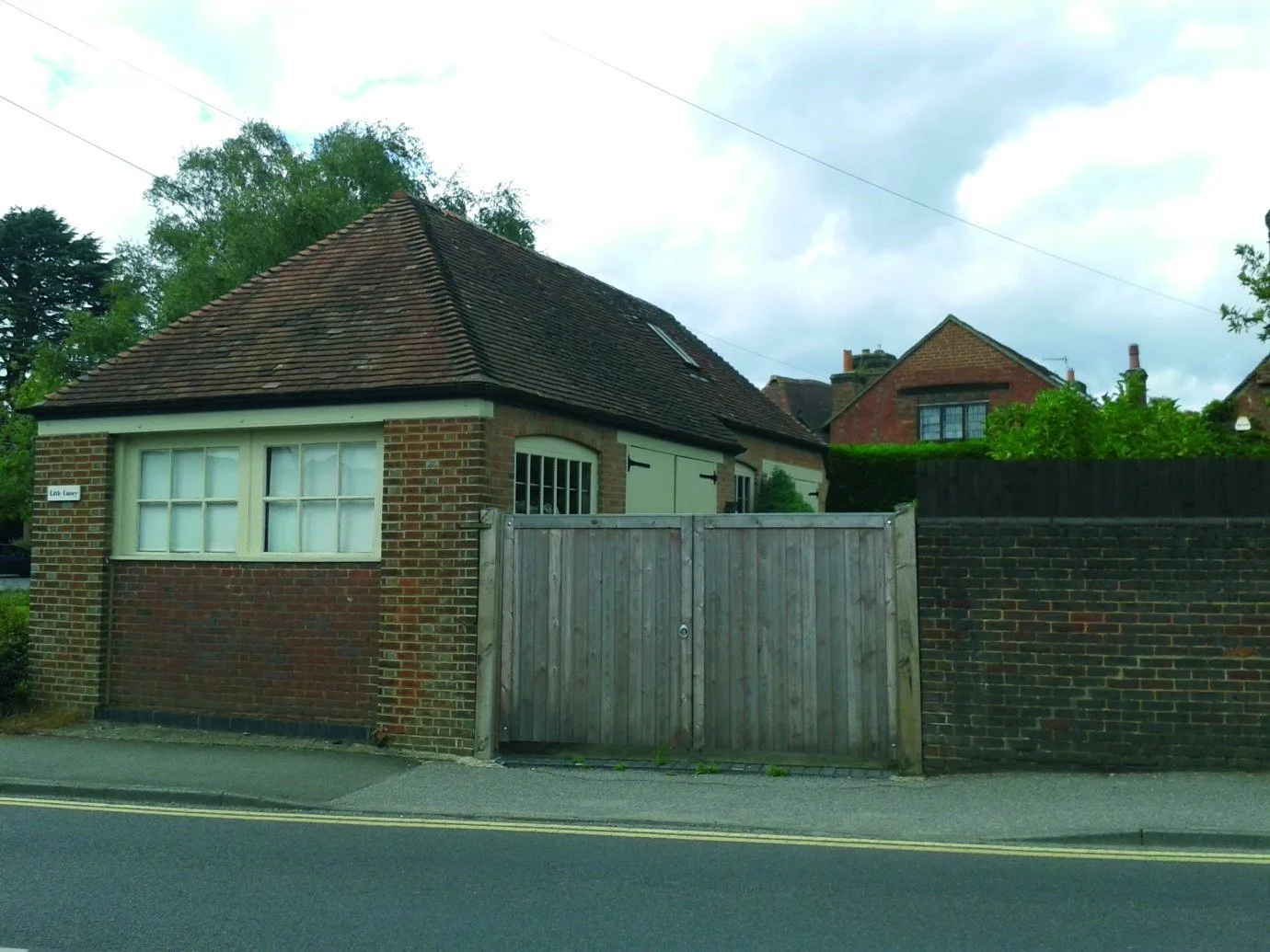
Sir Alfred Bingley took over the wheelwright’s house, joining two cottages into one and making it the beautiful house it is today. The coach-painting workshop became the garage for his car, and he also built the house called ‘Little Causey’, squeezed into a very small site, with the wheelwright’s forge turned into its garage.
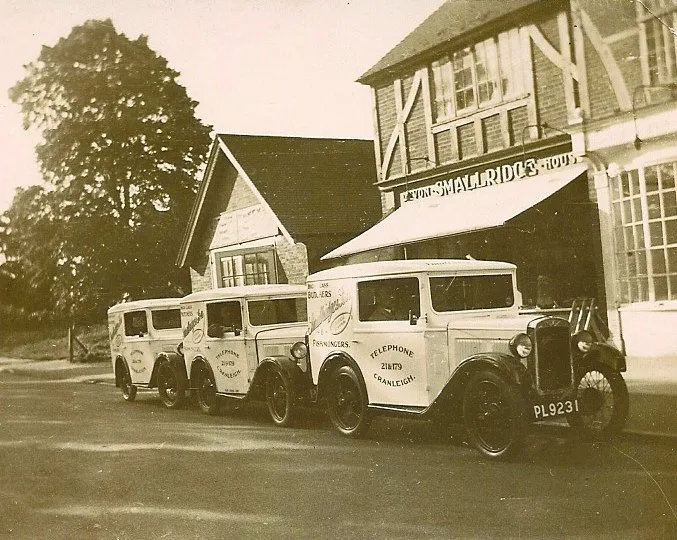
Some cart work came in occasionally to the Cheesmans’ business. In 1933, one of Chris Cheesman’s sons wrote: ‘Dad has in the workshop one of Pirie’s vans which they made in the old workshop twenty-one years ago.’ (Pirie was the baker at the Guildford Road roundabout.)
In recent years, the Cheesmans’ High Street workshop has been Carter’s Domestic Appliances, Julian Graves’s health food shop, Pedal and Spoke and La Maison du Vélo. The last two seemed somehow appropriate, as they dealt with wheels. Since around 2021 it has been The Vape Shop.
Now only the building keeps the memory of generations of wheelwrights who produced beautiful, complex and useful vehicles, for hundreds of years.
(Grateful thanks to Brian Cheesman of ‘Nethania’, former chairman of Cranleigh parish council, for information and photos relating to his family.)
The Cranleigh History Society is not meeting in August.
This article first appeared in the August 2026 issue of Cranleigh Magazine. Pick up your free copy around the village, or read more at cranleighmagazine.co.uk.