
This article is indebted to an unknown person who donated a 1980 reprint of an 1868 book to the Book Swap at Cranleigh Arts, and to Miki Marks, who realised its significance and introduced it to me. I found a photocopy on Amazon of the original 1868 edition, sporting a totally inappropriate cover. It has proved informative and entertaining.
The book’s full title is The Thames to the Solent by Canal and Sea, or, The Log of the Una boat ‘Caprice’ by J.B. Dashwood, evidently a wealthy man, and I assume young and adventurous, who made this journey with his wife in 1867 and was persuaded by his friends to publish his account of it the following year. The interest for Cranleigh people is that part of the journey was along the Wey and Arun Canal, which was wound up in March 1867 and closed in 1870. Mr and Mrs Dashwood were among the last people to succeed in getting through it.
The war with France under Napoleon in the early 19th century was the incentive for creating a link by water between London and the South Coast that avoided the potentially dangerous English Channel. Eventually a canal route was opened in 1816, linking the Wey Navigation at Stonebridge near Shalford to the Arun Navigation at Newbridge near Billingshurst. There were eight wharves on this stretch of it, at which freight could be loaded and unloaded.
Coal and chalk were brought in by barge to wharves serving the nearby farms and villages, with timber, charcoal and local produce forming the return cargo. The wharf nearest to Cranleigh was the 17th, or Elmbridge Wharf.
Sadly the canal never made the expected profit, mainly because the stretch near Cranleigh had insufficient water, despite reservoirs that were constructed at Baynards and Vachery and an attempt to use windpumps. With the opening of the London Brighton and South Coast railway in 1865 from Guildford through Cranleigh to Horsham, along much the same route as the canal, the trade and revenue of the Wey and Arun canal plummeted by half, and its company was wound up within eighteen months.
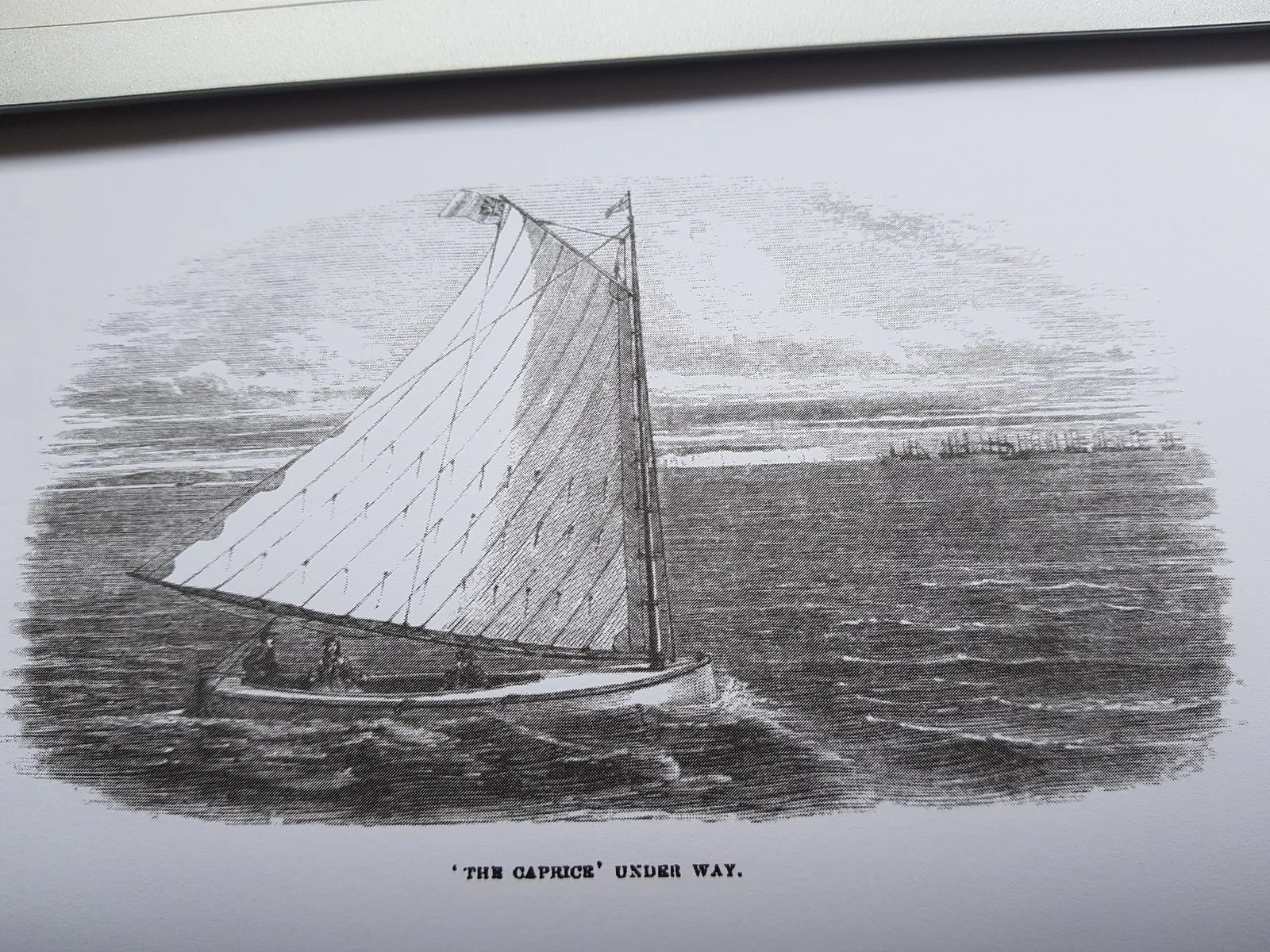
Maybe it was this that provoked Mr and Mrs Dashwood to make their journey in the summer of 1867, while it was still possible. Their boat, called Caprice, was a small sixteen foot Una rigged boat, developed in the 1850s and very popular with the trendy yacht racing upper class. Even the Prince of Wales, later Edward VII, had one. The picture shows it, with the single mainsail at the front that gave it its name.
The Dashwoods left the Thames at Weybridge, with their Pomeranian dog, Buz. They first needed to unship the mast, twenty feet high, and substitute a short towing mast of seven feet, with twenty yards of towing line. Having paddled to the first lock and received some instruction from “a Cambridge friend” on how to operate locks, they met their groom, who had brought a favourite dark chestnut pony to tow the boat through the canal.
At Guildford, they came across “a small screw steamer” from Brighton, which had been “thoroughly disabled” by the thick weeds on the lower end of the canal. These had completely “fouled her screw” and burst her boilers. Not a promising start.
Troubles began after Guildford. The first lock was stiff to open, “as this canal is almost at a standstill from want of use”, and after the second they found “there was scarcely a foot of water” in the canal. They became stuck fast. The groom was sent off in search of the lock keeper. While they were waiting in the boat, a large herd of oxen in an adjacent field charged down on them, “threatening instant annihilation”.
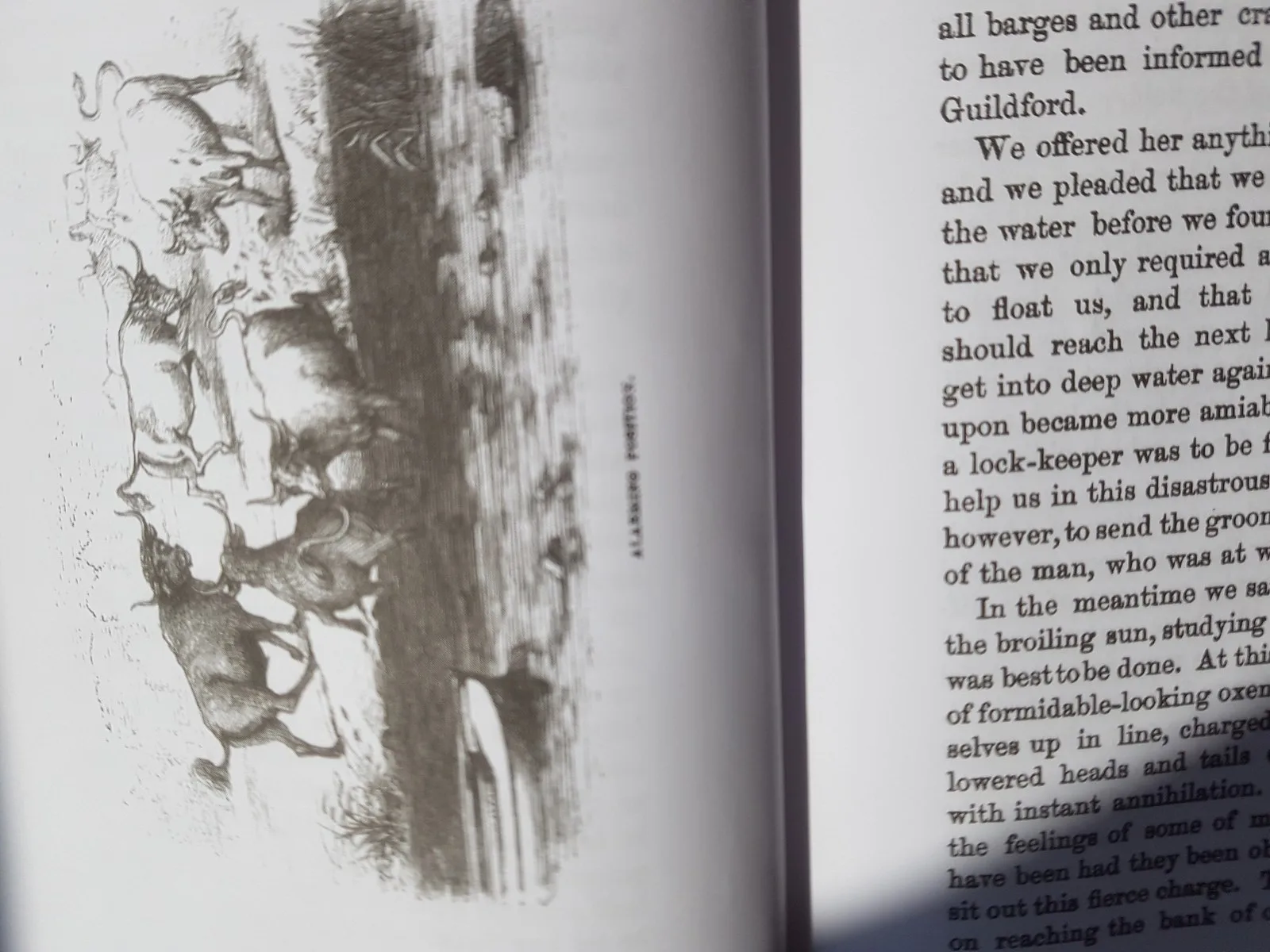
Fortunately, the animals stopped abruptly at the almost dried up canal’s edge, appeared astonished to find it so empty, and charged back. It is fascinating to know that oxen were still being used on farms near Cranleigh at this date. The lock keeper arrived and, with the inducement of half a crown, opened the lock above them, and their boat was afloat again.
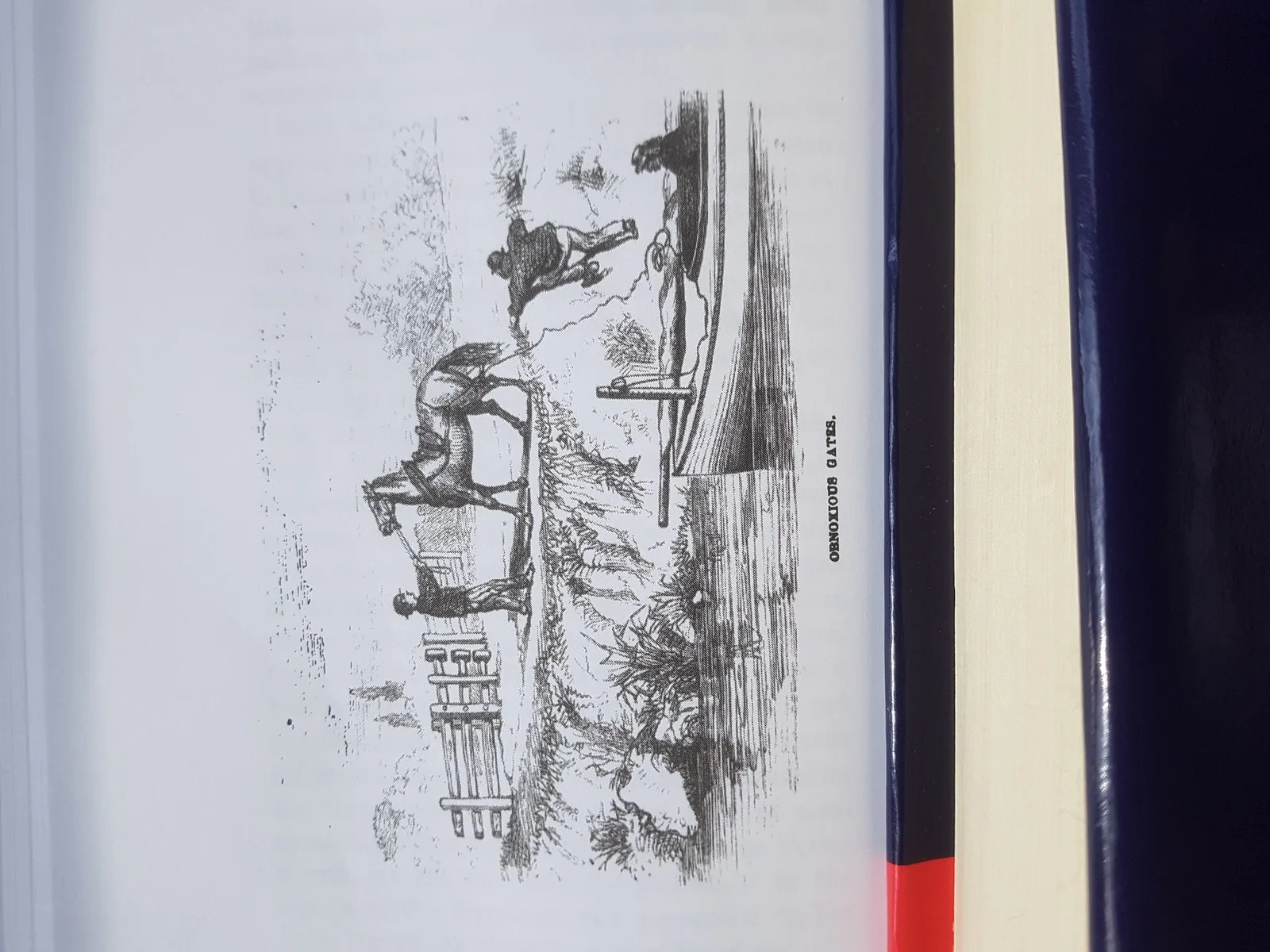
At Bramley they met James Stanton, superintendent of the Guildford end of the canal and wharfinger of Elmbridge Wharf, after whom Stanton Close on the Elm Park estate is named. He gave them valuable advice on the state of the canal and welcomed them to pick gooseberries and currants from his kitchen garden.
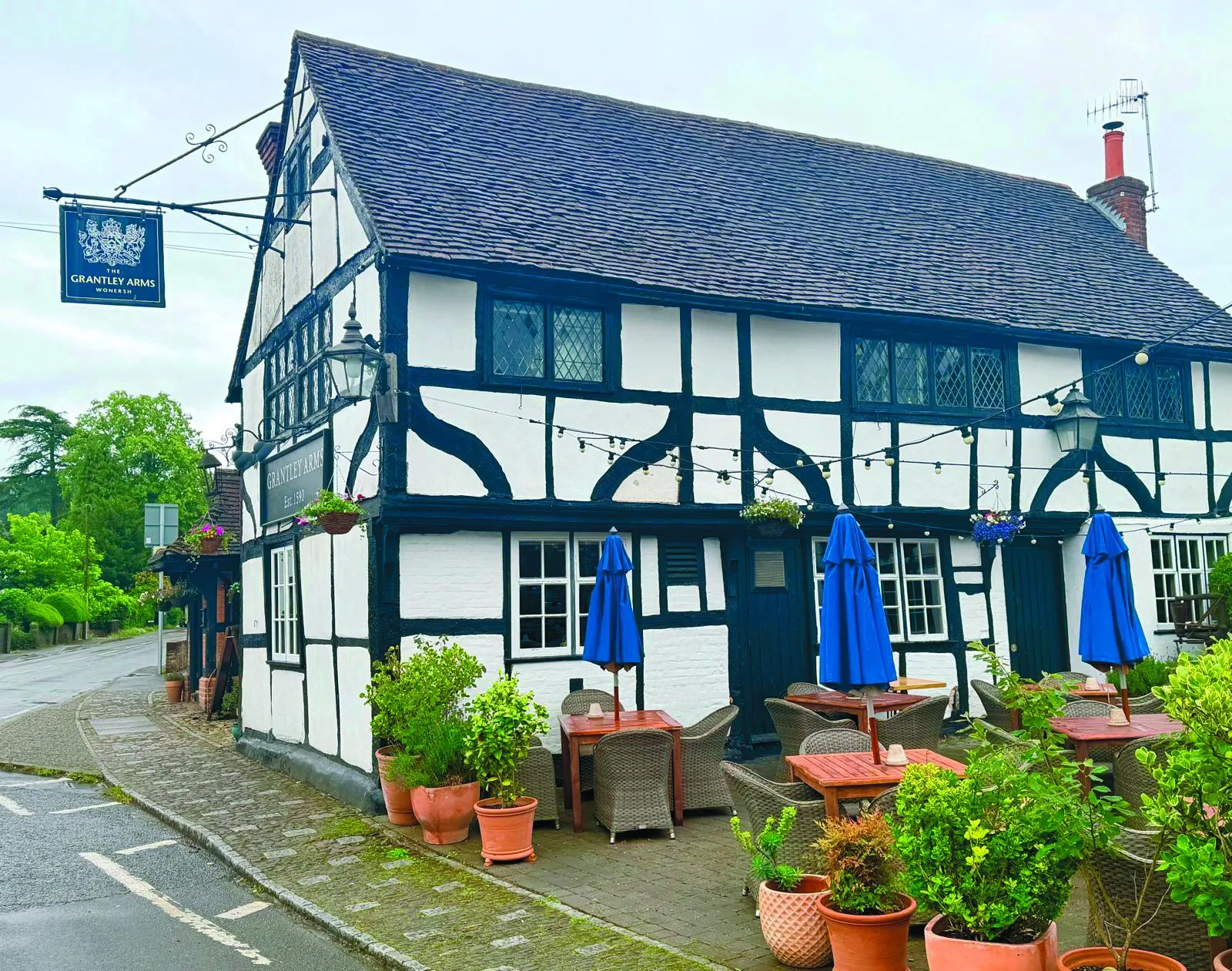
They had intended to stay overnight in Bramley, but found “The Grantley Arms” was “a pokey little inn”. However, passing the railway station at Bramley and Wonersh, they discovered that a Guildford train was due, so returned there and stayed at the White Hart, “where we regaled ourselves with a capital dinner, and were thankful that we were not in the Grantley Arms at Wonersh”.
Mr Stanton had procured for them a bargee lad who was to help them through the many locks on this stretch of the canal, no fewer than eleven in one mile, and he proved invaluable. He ran energetically ahead of them and opened the next lock gate in readiness. Towed by their pony, they travelled through “a most refreshing and picturesque country, densely clothed with a forest of oak trees”. We can well imagine that.
After Loxwood the next stretch of canal was “exceedingly weedy”, and Mr Dashwood had to stand forward to clear the weeds from the bows of the Caprice and to cut a way through. This was where the steamer from Brighton had come to grief.
At Newbridge the lock opener lad left them, after being rewarded with ten shillings, and the groom went ahead on the pony to Billingshurst to order a meal and a room for them at “The King’s Arms”, which the Dashwoods described as “a neat, clean inn”. The meal was “as good a dinner as it is possible to get in a quiet country village”.
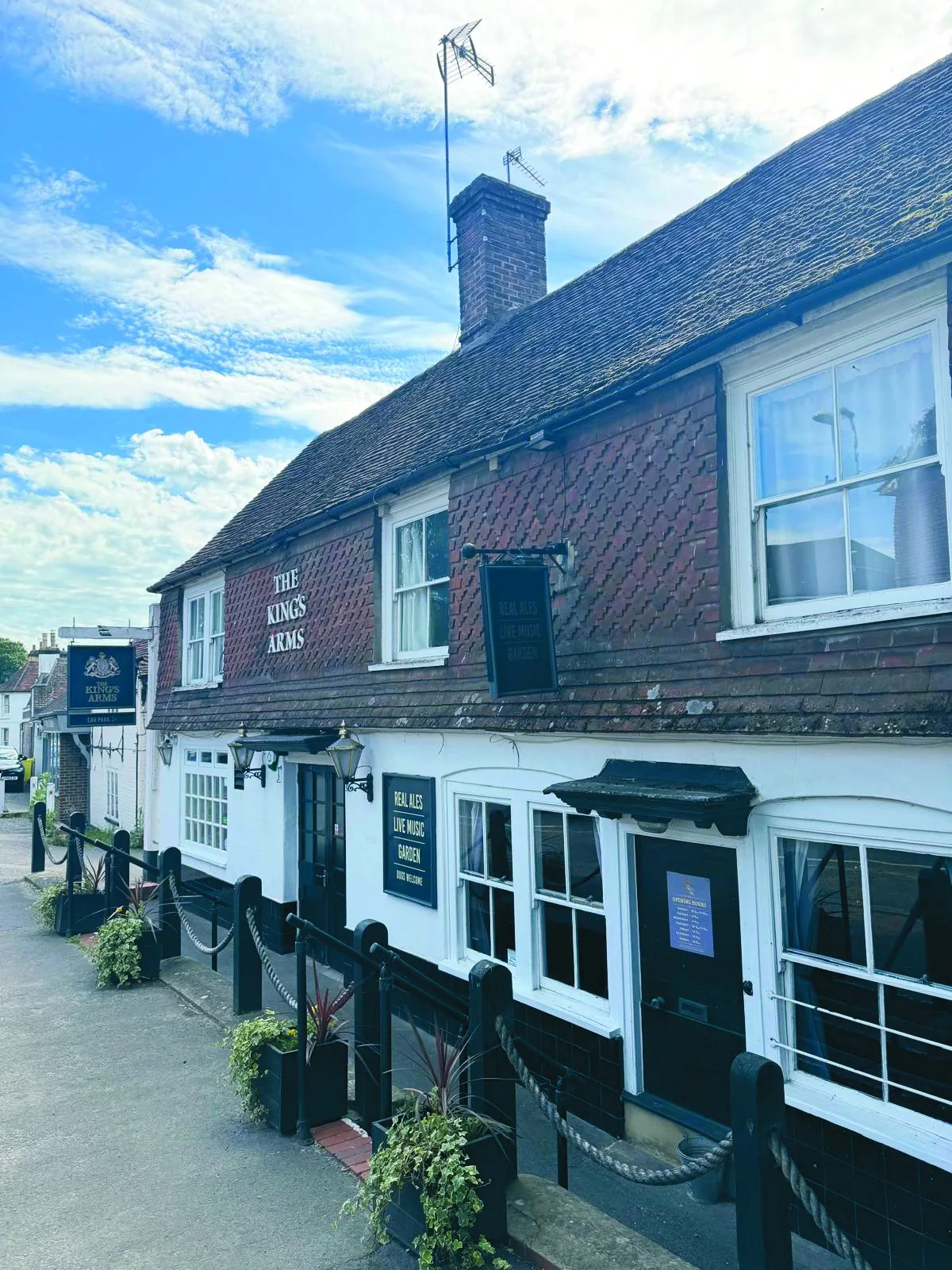
After Pallingham lock the groom and pony were dismissed, to travel home by train. Thereafter the Caprice would finish its journey down the Arun under sail. The enterprising J.B. Dashwood had more adventures on his way to Cowes on the Isle of Wight, until he ended their trip at Lymington near Christchurch, Hampshire, expressing the hope that any readers possessing a Una boat may have “as much fun with theirs as I have with mine”.
The Cranleigh History Society meets on the second Thursday of each month at 8pm in the Band Room. The next meeting is on Thursday 10th September, on “Our Changing Village”, celebrating twenty five years of the C.H.S.
This article first appeared in the September 2026 issue of Cranleigh Magazine. Pick up your free copy around the village, or read more at cranleighmagazine.co.uk.