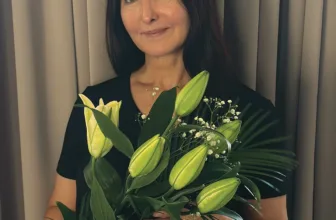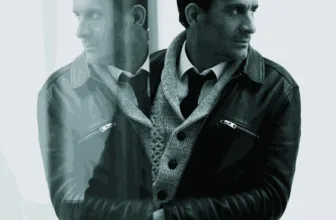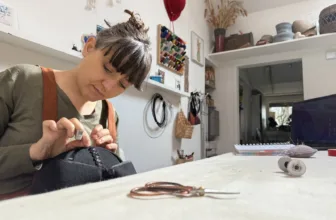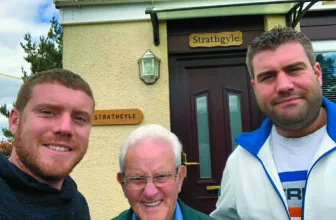

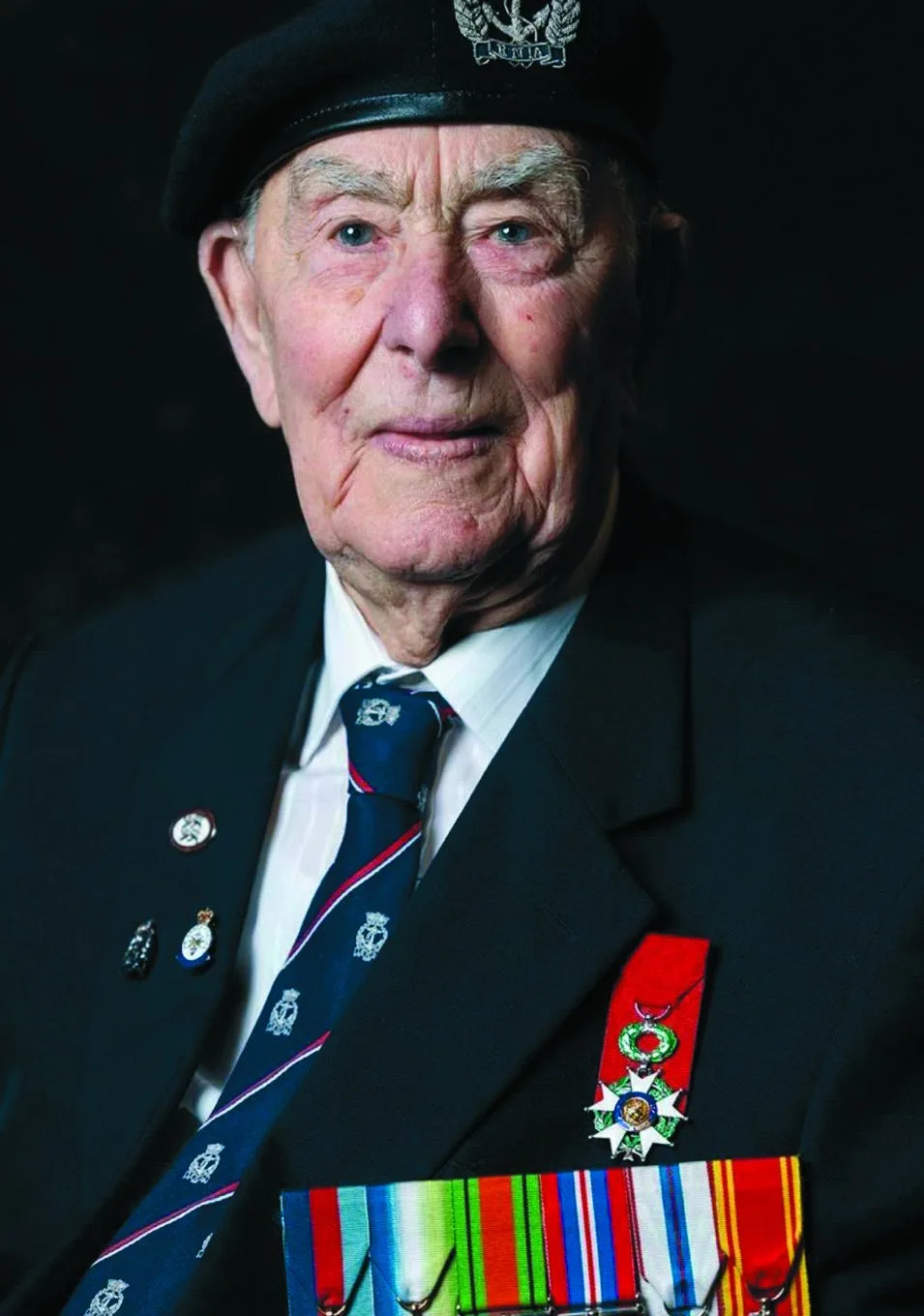
In 2025 the Cranleigh and District Branch of The Royal British Legion elected a new President: 100-year-old Second World War veteran Henry William Rice. His life spans virtually the entire modern history of Britain — from the working-class streets of Clapham, through the greatest seaborne invasion ever assembled, to a quiet, busy retirement in Surrey. This is his story.
Who’s who?
The Cranleigh and District Branch of The Royal British Legion was first formed in 1932. Its original Certificate of Formation declared:
“I have to inform you that at a meeting of Demobilised Sailors and Soldiers held at Cranleigh in the County of Surrey on the 10th day of June 1932, the following resolution was adopted: That this meeting of ex-servicemen hereby accepts the Charter of the British Legion and formally establishes a Branch of the Legion, to be known as Cranleigh Branch.”
It was signed by three survivors of the Great War: Mr Bonham, Mr Hayman and Mr Pretley, who met in an upstairs room of The White Hart Inn, on the Ewhurst Road. In doing so, they established a baton that would pass through many hands across nearly a century of service, remembrance and community.
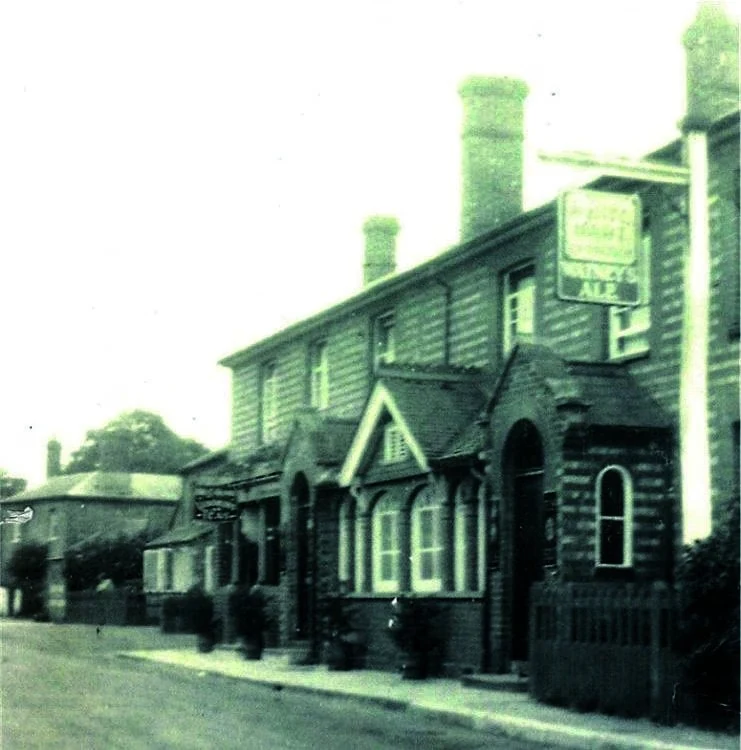
In 2025 that baton passed once more when the Cranleigh and District Branch elected its new President — Henry William Rice.
Filling impossible shoes
Henry succeeds the Branch’s former President, Phil Tilbury; a quiet, modest man whose impact upon Cranleigh life was anything but modest. Phil first joined the Branch in 1947, just 15 years after its formation, proudly preserving his first membership receipt for 7s 6d and reminding generations of members that he had “paid his dues” every year without fail for more than three quarters of a century.
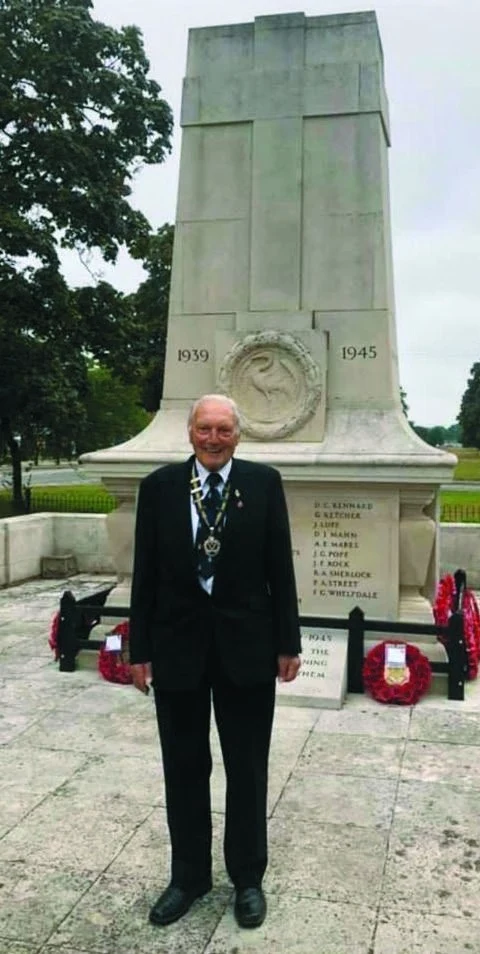
It seemed almost impossible to walk through Cranleigh without encountering someone whose life Phil had touched. Founder and former President of Cranleigh Lions, champion of local charities, youth activities and community events, Phil embodied the bond between the Lions and the Royal British Legion — a bond that remains unbroken to this day. Finding a successor to Phil Tilbury was never going to be easy. Yet in many ways Henry Rice seemed the perfect choice.
A Clapham childhood
Born in Grant Road, Clapham, South London, in 1925, Henry’s earliest memories are of hardship, overcrowding and resilience in the working-class streets around Clapham Junction. “We’d probably be called slum dwellers today,” Henry says with a smile. “But I knew no different. I was a happy little boy.”
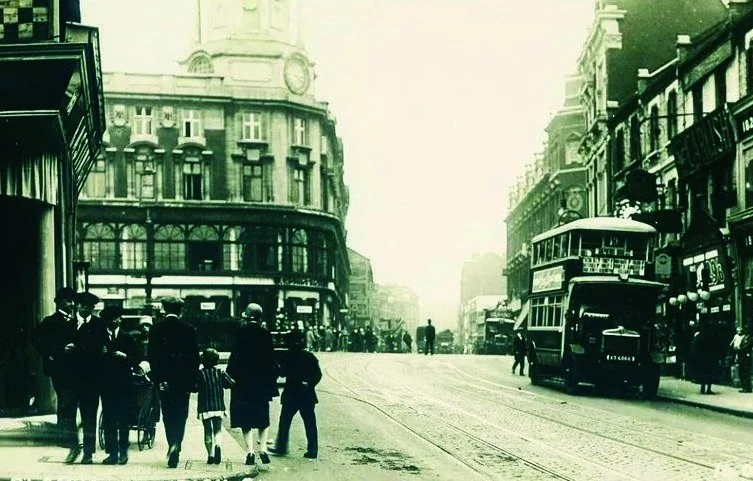
His family occupied the middle floor of a cramped three-storey house shared between several families. There were gas mantles instead of electric lights and an outside toilet in the yard. “I won’t call it a garden because it wasn’t one,” he laughs. “I can still remember sitting there tearing strips from newspaper for obvious reasons.”
His father worked as a lorry driver while his grandfather shoed railway horses. Then, while Henry was still a young boy, the family suddenly relocated to Guildford. The move opened up an entirely new world to the young Londoner. “I saw cows and sheep for the first time,” he recalls. “Guildford market amazed me.”
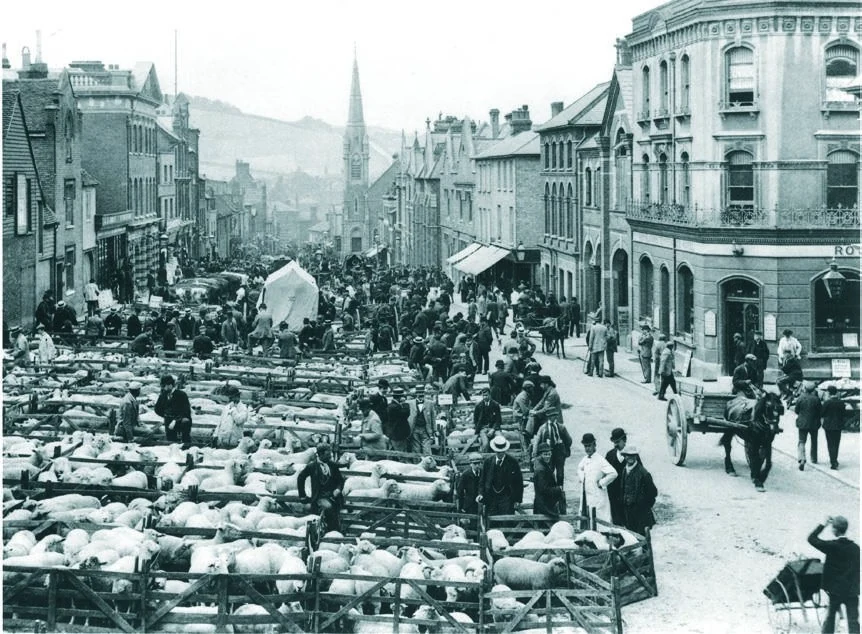
Yet life in Surrey was not immediately welcoming. At school he was taunted as the “dirty Londoner” and bullied so persistently that teachers eventually allowed him to leave classes early each afternoon to avoid gangs waiting outside the school gates.
Rather than grow bitter, Henry became quietly self-reliant. Armed with little more than a sandwich and a bottle of lemonade, he spent long weekends wandering alone beside the River Wey or around St Catherine’s Hill. Then came September 1939.
War, and a first job
Henry was just 13 when Britain declared war on Germany. He still remembers returning home early after the school closures. “Mum thought I was telling lies,” he says. “Then she told me if school was shut, I’d better go and find myself a job.”
Like many wartime teenagers, Henry entered employment almost immediately. His first work involved serving tea, biscuits and chocolate to labourers building camps for Canadian troops at Milford — the very same Canadian forces later stationed around Cranleigh in preparation for D-Day. He later moved to Guildford Glassworks drilling holes in metal frames, though the repetitive work soon became monotonous. But his real passion was aviation.
Joining the Air Training Corps gave Henry his first taste of military life and sparked dreams of becoming an RAF pilot. “When they asked me what university I’d attended, I just burst out laughing,” he remembers. “I’d left school at 13!” Instead he was directed towards wireless operator training. Morse code utterly defeated him. “I honestly thought I was too thick,” he says with typical honesty.
Disappointed but undeterred, Henry volunteered for the Royal Navy at 17 and was sent for signals training on the Isle of Man. There, after swapping duties with another recruit, he unexpectedly discovered a remarkable talent for visual signalling using semaphore flags and lamps. “Even now, if I’m sitting quietly, I still spell words out in my head,” he says. That skill would carry him across the world.
Aboard HMS Eastway
Henry joined HMS Eastway, one of the enormous amphibious landing ships built in America and supplied to Britain under the wartime Lend-Lease agreement. Vast by landing craft standards, Eastway was effectively a floating dockyard capable of transporting troops, tanks, landing craft, vehicles and huge quantities of ammunition and supplies directly into invasion zones. The ship carried a crew of hundreds alongside large numbers of troops packed into cramped wartime conditions.
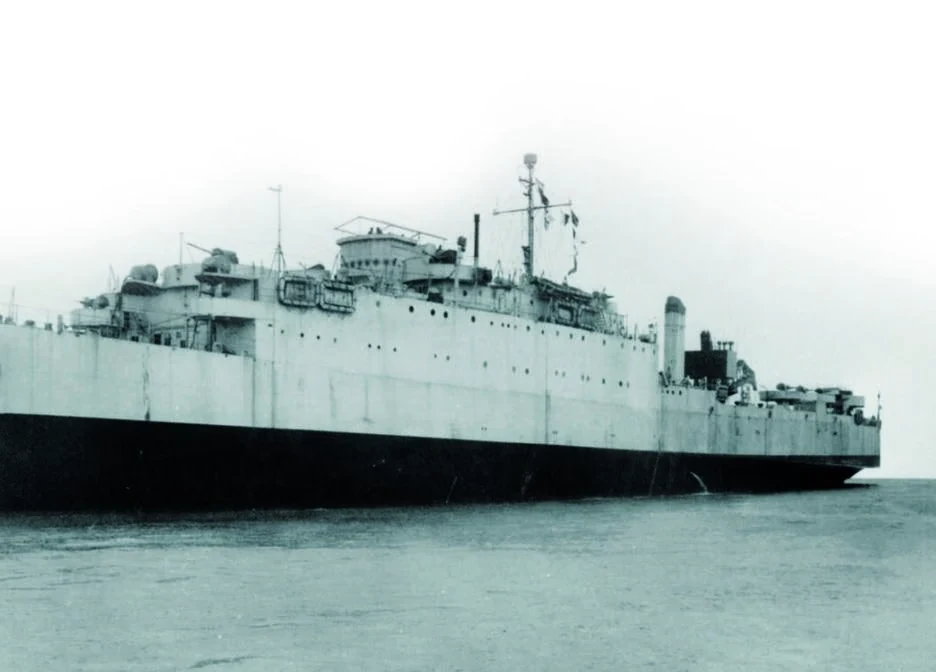
Below decks, noise, heat and the constant vibration of machinery rarely ceased. Sleep was snatched whenever possible in narrow bunks surrounded by the smell of oil, damp uniforms and cigarette smoke.
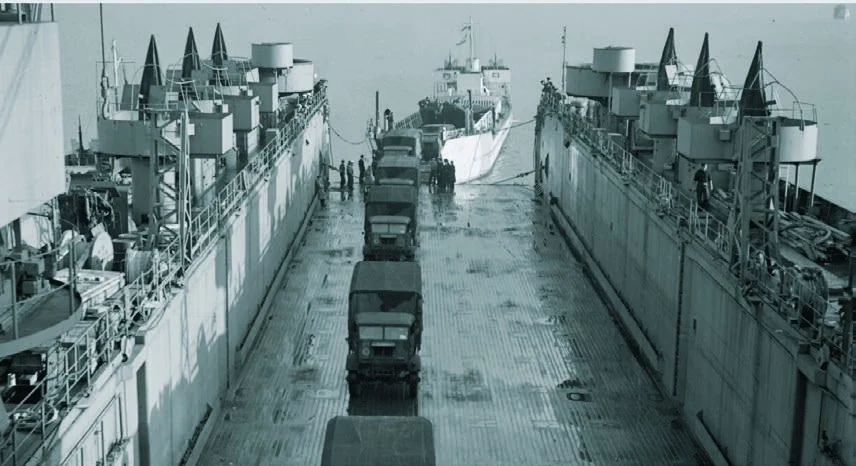
Like thousands of young servicemen during the war, Henry found himself growing up very quickly aboard ship. At just 17, he was crossing some of the most dangerous waters in the world. German U-boats prowled the Atlantic routes while enemy aircraft remained a constant threat during Mediterranean operations. Convoys sailed under blackout conditions at night, every man aware that a single torpedo could destroy a ship within moments.
Yet amidst the danger there remained humour and comradeship. Henry often recalled the mixture of boredom, fear and excitement that defined naval life — endless routine suddenly interrupted by moments of chaos and action. “It was strange really,” he once reflected. “Most of the time you were just getting on with things. You didn’t think of yourself as making history.”
Normandy and Juno Beach
When HMS Eastway sailed for Normandy in June 1944, however, history was precisely what surrounded them. Thousands of Allied vessels filled the English Channel in what remains the greatest seaborne invasion force ever assembled. From the decks of Eastway, Henry witnessed ships stretching as far as the eye could see in every direction.
He helped ferry Canadian and British troops, ammunition and supplies across the Channel to Juno Beach under constant threat of enemy attack. Like so many veterans of his generation, Henry recounts extraordinary experiences with remarkable understatement. At one stage, while helping load stores aboard a vessel in dock, he accepted an invitation from another sailor to step aboard for a quick drink. “The next thing I knew,” he laughs, “the anchor was coming up and I was halfway to Normandy on a ship I wasn’t even supposed to be on.”
Following Normandy came Malta, Sicily and countless convoy operations throughout the Mediterranean and Atlantic. For this service Henry was later awarded the Legion d’Honneur by the French Government — France’s highest military and civilian honour — along with the Atlantic Star for prolonged service on the dangerous Atlantic convoys, which Winston Churchill famously described as “the longest and most dangerous journey on earth.”
A war that would not end
When Germany surrendered in May 1945, HMS Eastway and her crew were anchored in the Tyne at Newcastle. Henry and his shipmates anticipated celebrations, parties and long-awaited shore leave. Instead an announcement over the tannoy informed them that all leave had been cancelled. So as Britain celebrated VE Day, Henry’s war continued.
HMS Eastway sailed through the Mediterranean, onwards through the Indian Ocean towards India, Sri Lanka and eventually Singapore following the Japanese surrender. There Henry encountered liberated British prisoners of war emerging from Japanese camps. “They looked as though a good meal would do them good,” he recalls quietly. “It was shocking really.” With characteristic humour, Henry later reflected, “It almost seemed like Hitler and Tojo knew I was coming, so they decided to pack it in.”
Peacetime, and the greatest tragedy
After the war Henry struggled at first to settle into civilian life. He joined the merchant navy and sailed repeatedly to Australia aboard the Orontes, later travelling to Canada along the St Lawrence River routes. “For a young bloke, it was wonderful,” he smiles. “Singapore, Melbourne, Quebec — I thought that was the life.”
Eventually, however, love persuaded him ashore permanently. After several jobs, including roofing work, Henry discovered what would become one of the happiest chapters of his life in the Guildford Fire Service. Ironically, it was there, not during wartime, that Henry witnessed the greatest human tragedy. “In the Navy I never really saw what I saw as a fireman,” he reflected.
Henry attended the aftermath of the devastating Staines air disaster in 1972, as well as the Guildford pub bombings two years later. Road traffic accidents involving families and children particularly affected him. Yet throughout his life Henry retained the modesty, humour and quiet resilience of his generation.
At Phil Tilbury’s funeral, hearing the tributes paid to his predecessor, Henry quietly remarked, “I could never hope to fill those shoes. All I can do is my best.” And his best is precisely what he continues to do.
“By Veterans, for Veterans”
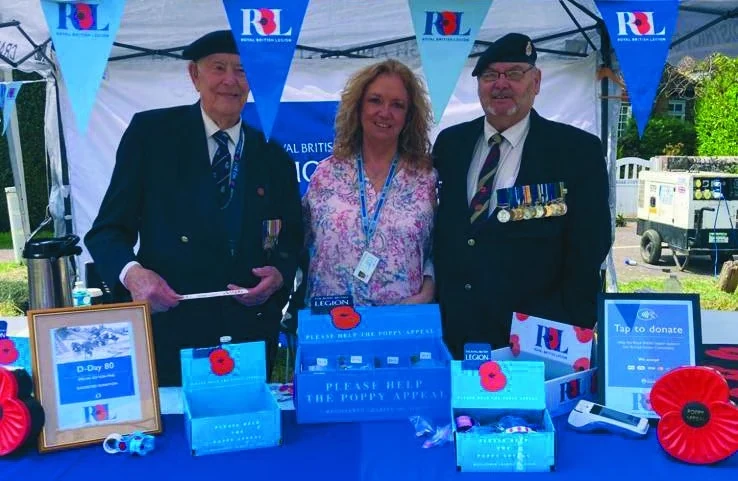
Many readers will have seen Henry supporting the annual Poppy Appeal at local fetes, car shows and community events across the district. His presence alone has inspired enormous support, with annual collections increasing dramatically in recent years. Such has been the success that Royal British Legion Headquarters has now asked the Cranleigh Branch to assume responsibility for several neighbouring districts.
Alongside Henry’s appointment has come the formation of a new and energetic committee under the Chairmanship of Nathan Williams. Its motto: “By Veterans, for Veterans.” Of the newly appointed nine-strong committee, most have seen active service in conflicts ranging from the Second World War to Northern Ireland, the Falklands, Bosnia, Iraq and Afghanistan, serving variously in The Royal Navy, Royal Gurkha Signals, Royal Hampshire Regiment, Royal Army Medical Corps, Parachute Regiment and Royal Engineers.
The Royal British Legion was never intended merely to be a charity. From its very beginning, it has been a cause, rooted in remembrance, vigilance and service. That spirit continues today.
This year the Branch will embark upon a renewed programme of outreach to veterans and serving families throughout Cranleigh and the surrounding villages. Monthly Armed Forces and Veterans Breakfast Club meetings will be held at The White Hart Inn, bringing together veterans of all generations, including the emergency services and “blue light” community. The Branch will also work closely alongside Cranleigh Medical Practice under the leadership of Dr Debbie Donovan in support of the Armed Forces Covenant, alongside clergy from St Nicolas Church and other faith communities throughout the village. Meanwhile the enduring bond forged decades ago between the Royal British Legion and Cranleigh Lions continues stronger than ever.
Honoured by a grateful nation
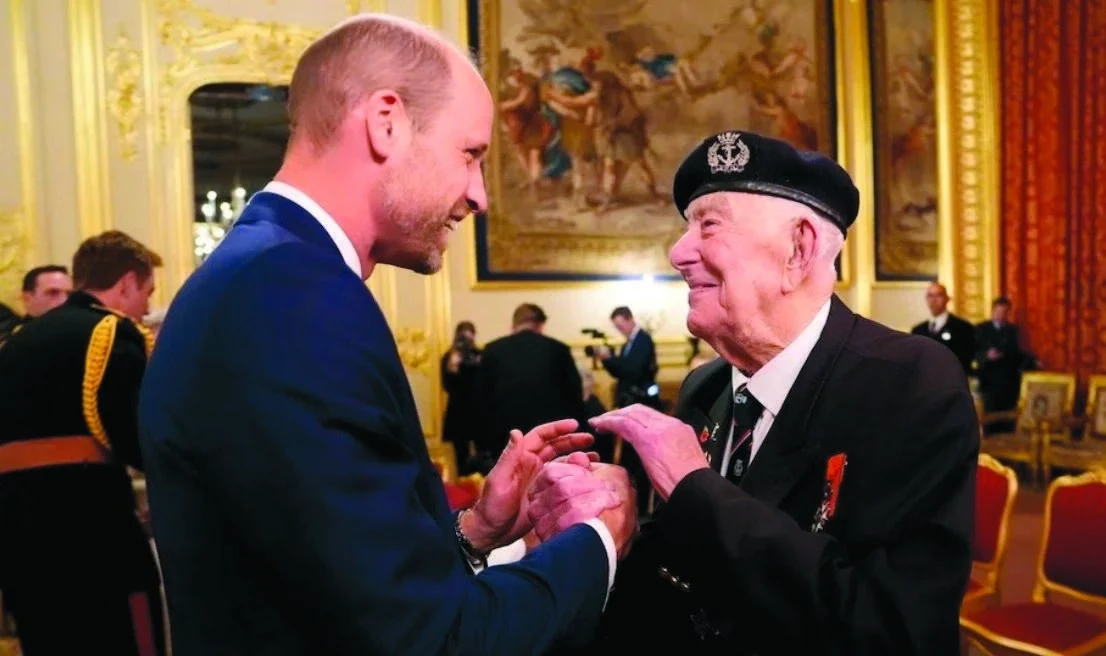
In 2025 Henry was among the veterans honoured at the national commemorations marking the 80th anniversary of VJ Day, meeting members of the Royal Family at Windsor Castle and at the opening of the Field of Remembrance at Westminster Abbey. Eighty years on from the war that shaped him, the “dirty Londoner” who left school at 13 found himself in conversation with the King, the Queen and the Prince of Wales.
And so the baton first passed between three Great War veterans in 1932 passes onwards still. Its future, as ever, depends upon ordinary people prepared to stand up for something greater than themselves. We all count, each and every one of us, for as long as we’re prepared to stand up and be counted. That profound principle remains at the very heart of The Royal British Legion — its cause, its purpose and its enduring spirit, past, present and future.
This article first appeared in the June 2026 issue of Cranleigh Magazine. Pick up your free copy around the village, or read more at cranleighmagazine.co.uk.