
Charles Darwin was 22 when he set out on HMS Beagle as the naturalist and geologist on a trip around the world. This almost four year adventure was to have a profound effect on how he saw nature and led to his most famous work, On the Origin of Species.
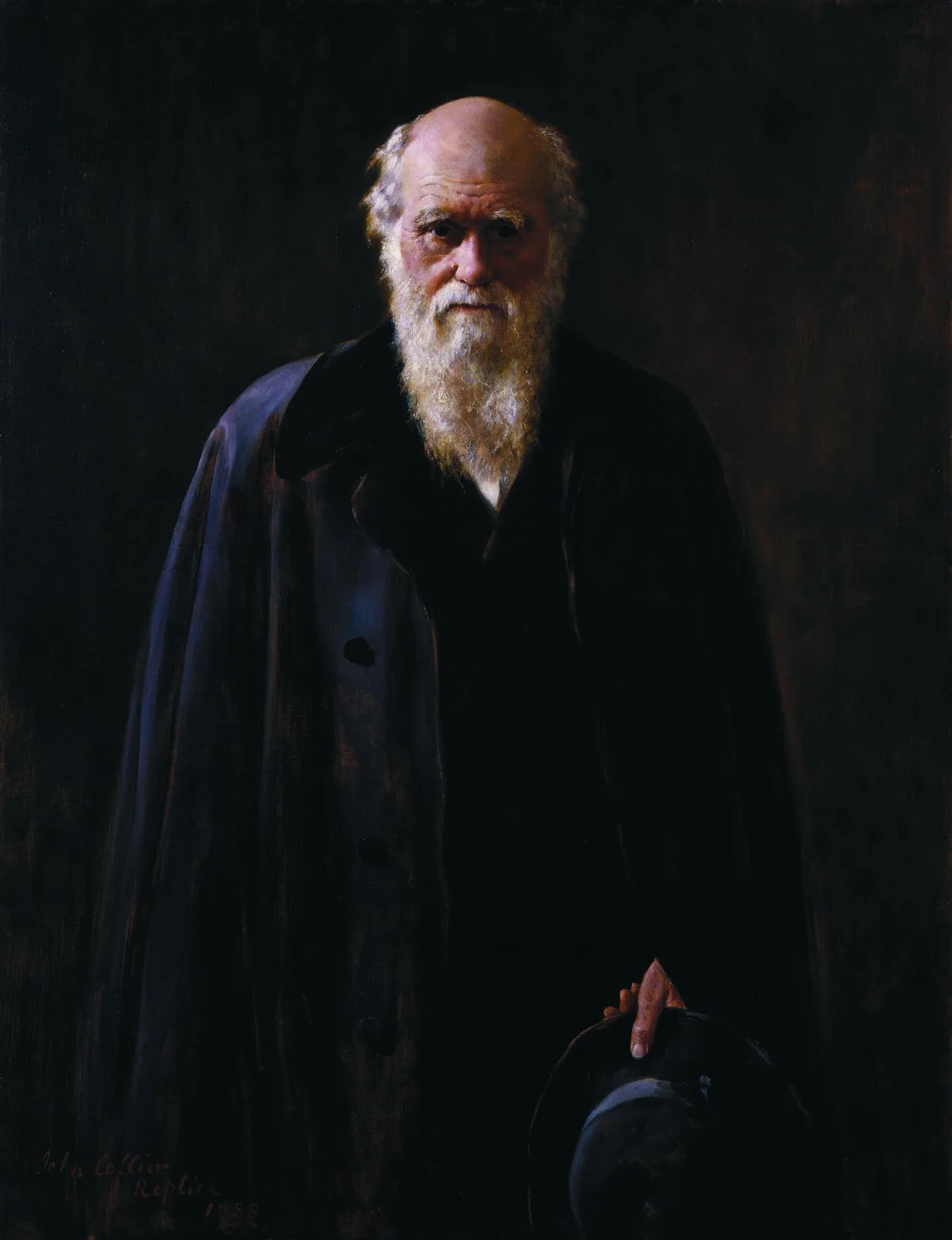
I have just read a beautiful little book by Janet Browne called Darwin’s Origin of Species. She describes the impact of the book at the time and the various uses and abuses his theories have led to. His famous saying “the survival of the fittest” has been hijacked to justify theories which can be summed up as “might is right”. This is an unbalanced view of Darwin’s thinking. His final message was about the interconnectedness of nature, not crude dominance.
He carefully studied coral reefs and clearly understood the complex organisation and interdependence. It is interesting that Darwin was struck by the different development of finches’ beaks on various islands of the Galapagos. Nearer home, we have an example on the islands round Orkney where different forms of voles and the golden hare have changed and adapted to their own isolated islands.
I have a conservatory on the north side of my house and on my windowsill is my insect rescue kit: a glass and a stiff card. I risk life and limb climbing up and trying to save butterflies, bees and crickets. I am afraid I leave the flies to their own devices, and after all, my spiders, which live in the four corners, have to eat.
A reader of the magazine New Scientist recently wrote in to ask why it was that insects so easily fly into his conservatory and then cannot find the way out despite all windows and doors being open. The answer is partly that insects do not understand that glass is a see through but impenetrable barrier. But also the insects ride on exterior air currents which waft them in. You can see that with curtains, which tend to blow inwards. There are seldom similar currents to waft them out.
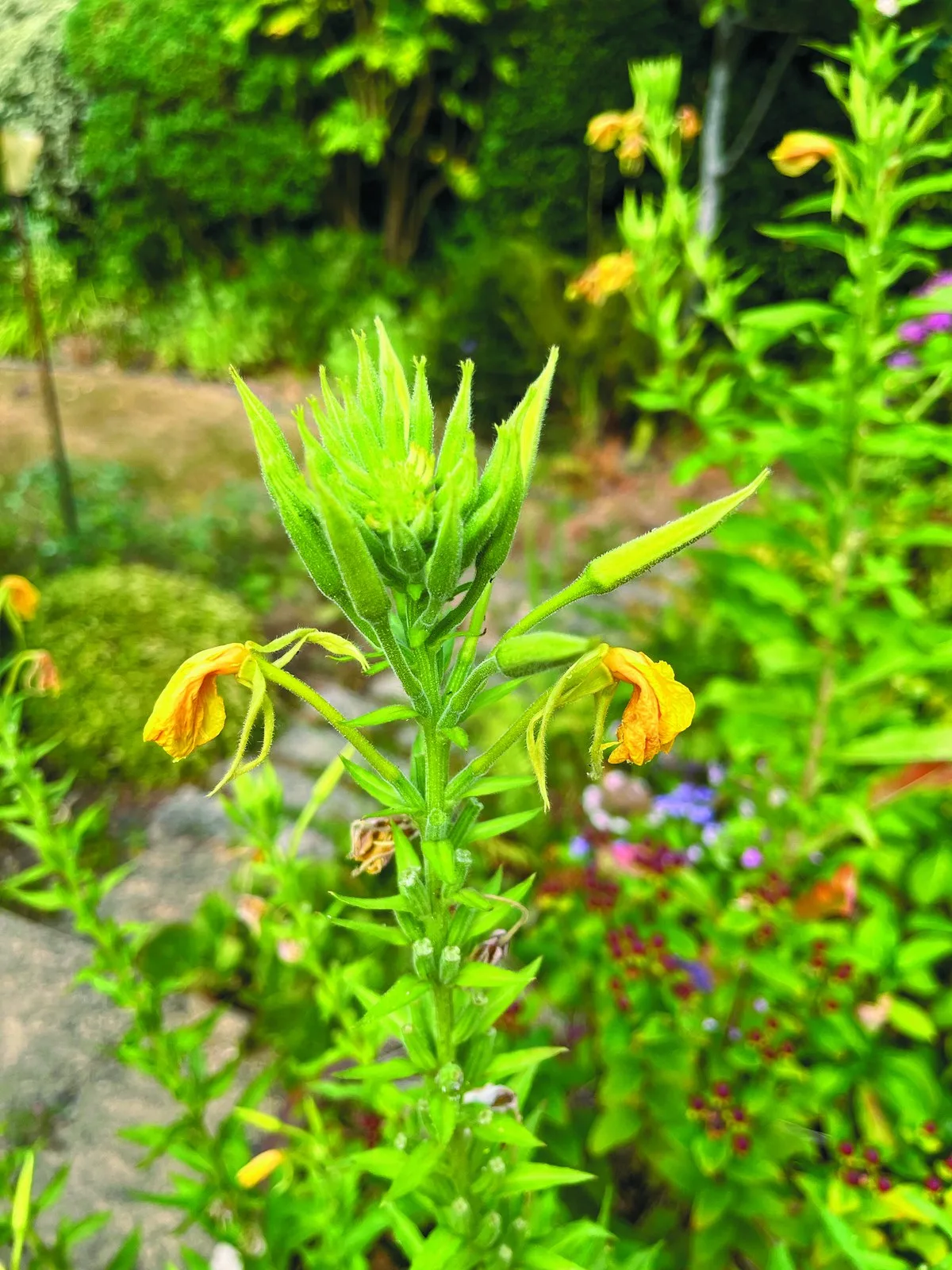
During the recent hot weather I stayed close to home, going out early morning or in the comparative cool of an evening. I had been looking at several large plants of the Oenothera biennis, the evening primrose, which self seeded just by the back door. I became completely fascinated.
I watched as the flowers opened just as it was getting dark. There would be a quiver in the stem, then one of the long, pointed buds would start to open, not smoothly but in three or four abrupt jerks. The flowers are the most beautiful bright lemon yellow with four tissue like petals. Almost immediately moths appeared to investigate.
In the morning the plants were still in full bloom, but as the day progressed the night flowers crumple and turn brown, and by early evening some of them just drop off. This process goes on from June until mid September. This night opening has the rather unlovely name of nyctinasty.
Oenotheras are a large family and originally came from North America. According to my old Herbal, these plants are considered “troublesome”, but in England the plant is “not formidable”. A wonderful choice of words. So much nicer than “aggressive”, which says more about us and our attitude to nature than it does about plants which spread successfully and enthusiastically.
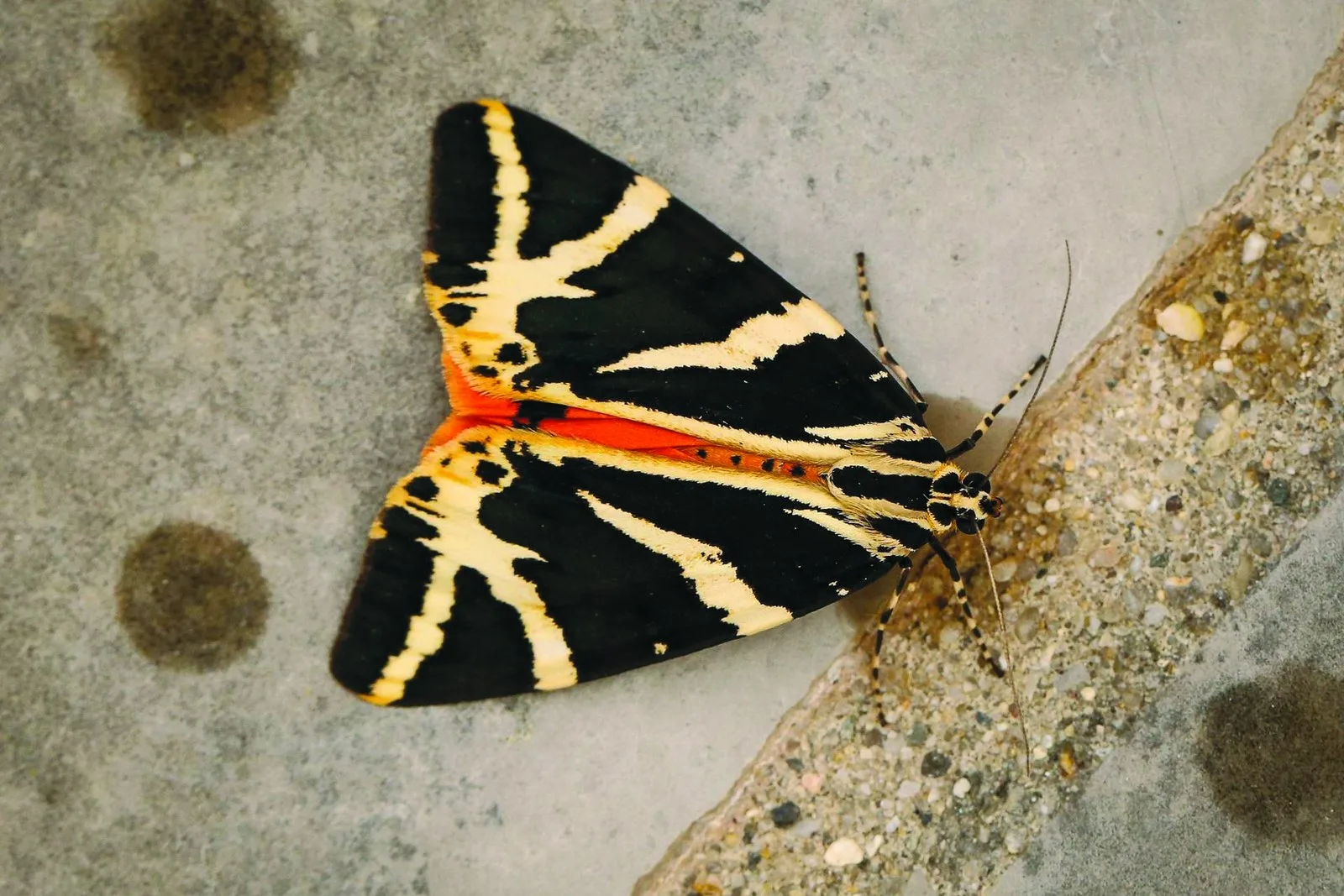
And it is perhaps thanks to my oenotheras that I have spotted the fabulous Jersey Tiger moth. Once rare on these shores, but becoming increasingly more common.
I mentioned in one of my articles recently that I very much enjoy the research that goes into them. My reading this month taught me that peacock butterflies have a strategy to ward off predators: they flap their wings and can actually hiss.
I also love friends and acquaintances sending me photos of finds in their gardens, or cuttings from various papers. From my sister in law I have learnt that the collective noun for ladybirds is “a loveliness”.
Anne Woodford gave me a cutting about the spiral growth of bindweed. The side of the stem which encounters an upright support will grow more slowly than the outer side of the stem, producing a tight coil which advances upwards in an anticlockwise direction. Anne also had an unexpected visitor in her Cranleigh garden, probably a thirsty roe deer.
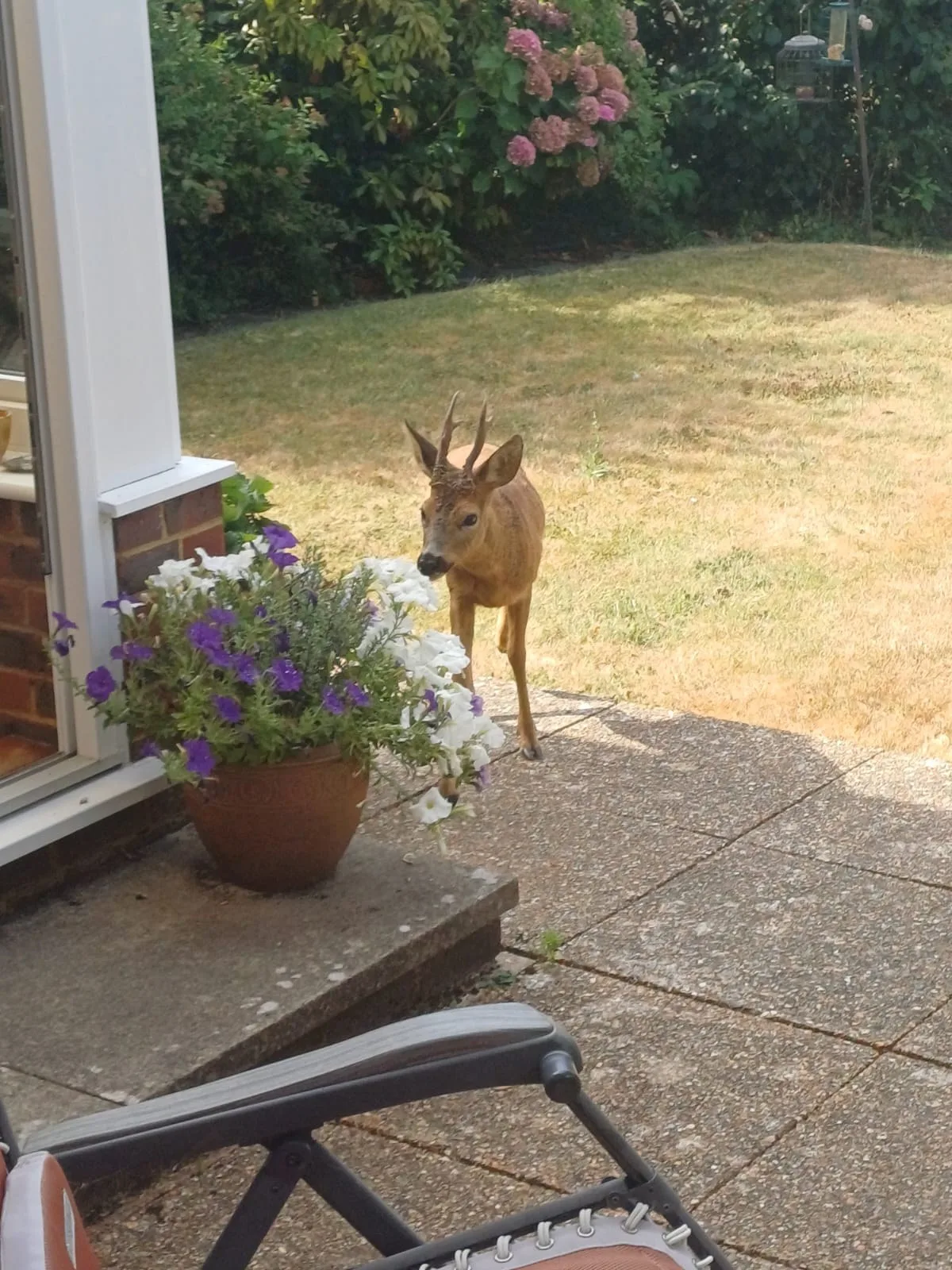
Roe deer can also be seen on Beryl Harvey early morning or evening. I hope that by the time you read this we will have had substantial rain and the pond will have started to fill on the conservation site.
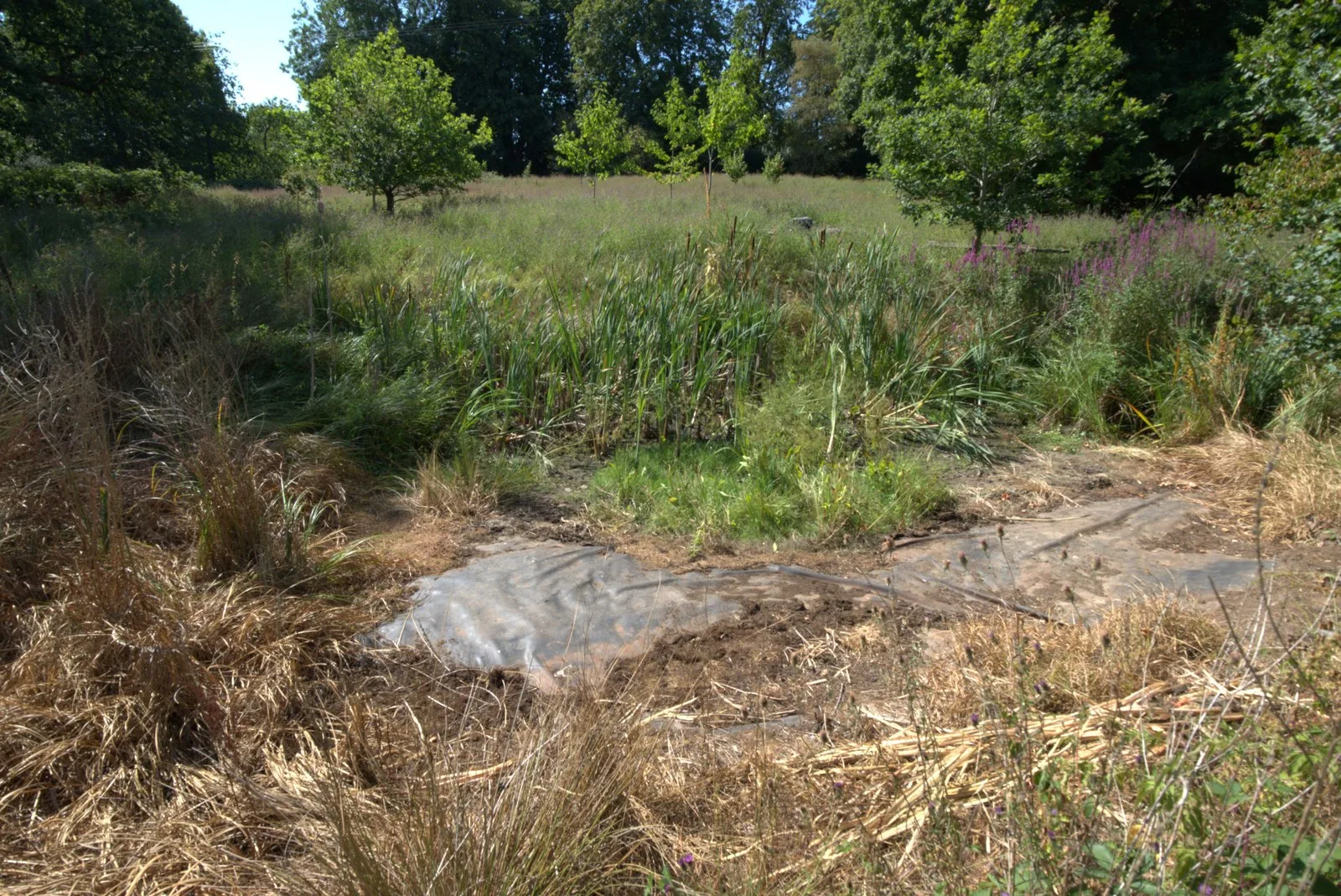
We need volunteers to help with the maintenance of this special place. If you can spare a few hours once a month, talk to Julia on [email protected].
This article first appeared in the September 2026 issue of Cranleigh Magazine. Pick up your free copy around the village, or read more at cranleighmagazine.co.uk.