
Some birds you see. Others, if you are lucky, you only ever hear. This summer our Crane Spotter has been on the trail of one of Britain’s most secretive visitors, a bird that has turned up in remarkable numbers in 2026 yet still manages to stay almost entirely out of sight.
I was leaning on a farm gate looking over a field of flax early one morning when I first heard it: ‘quip-quip-quip, quip-quip-quip.’
My internal sirens and alarms swiftly kicked into action as all systems within reacted to an adrenalin rush of excitement and anticipation.
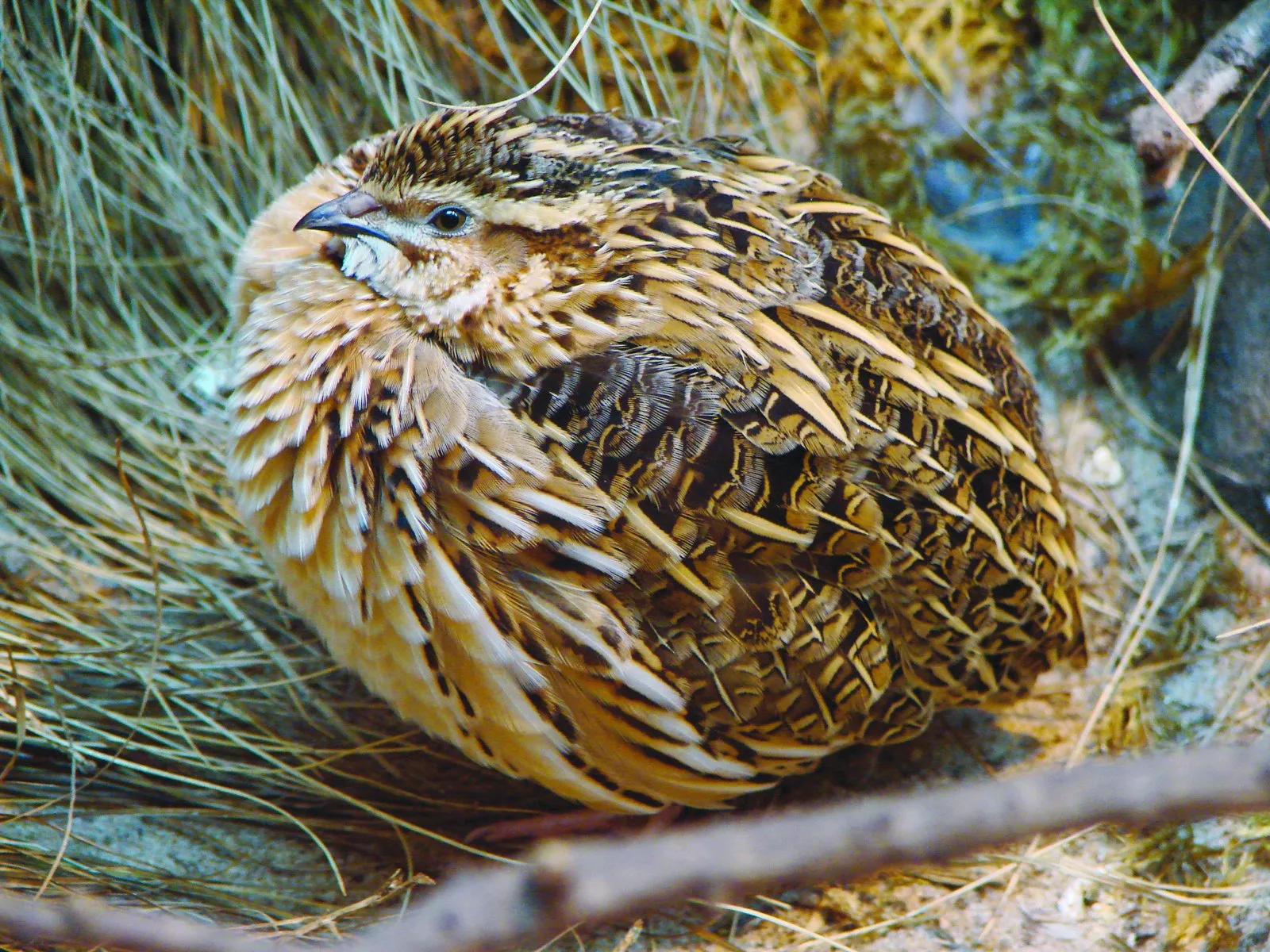
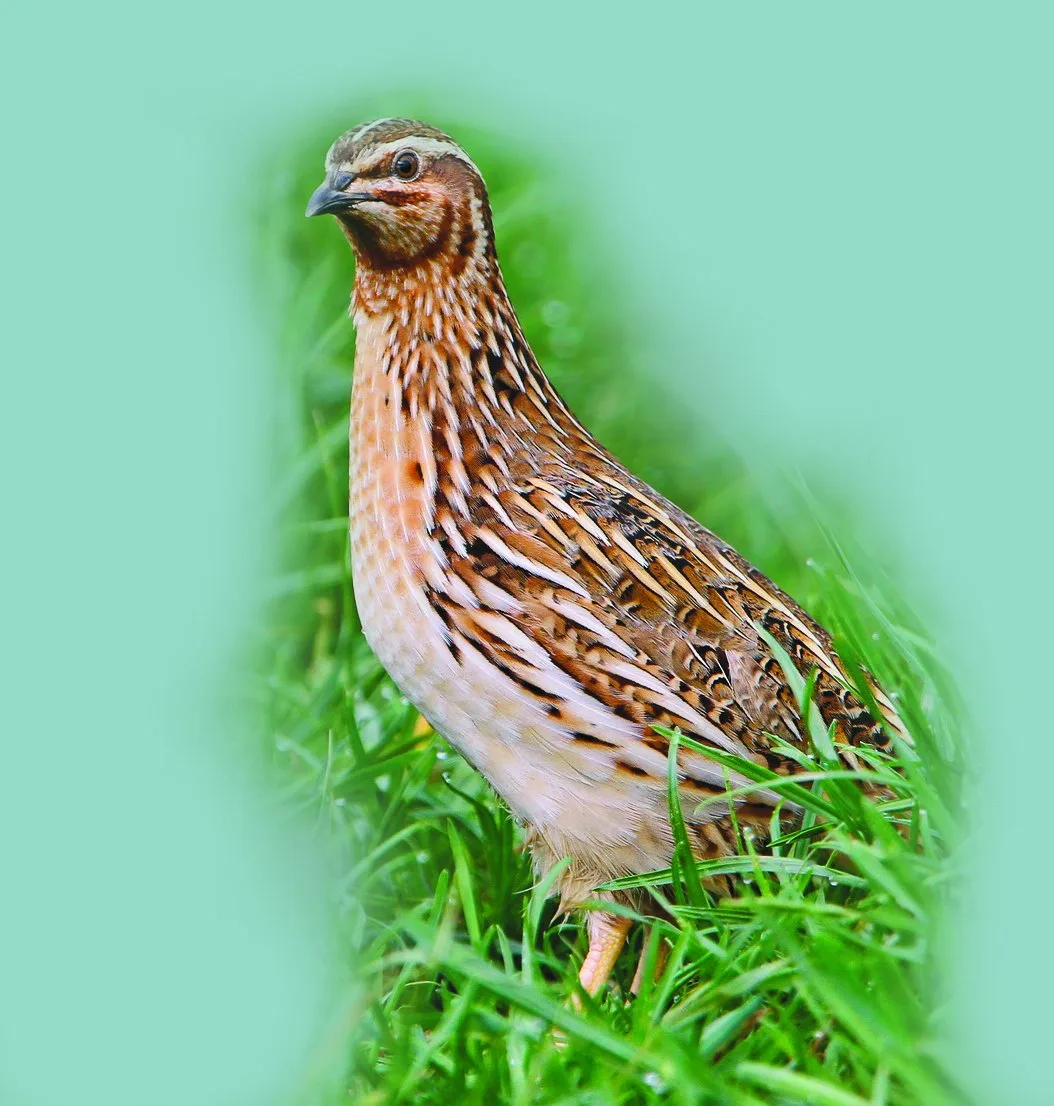
‘Quip-quip-quip, quip-quip-quip.’ There it was again. I was being treated to the call of a bird I had never heard in Cranleigh before and which had only been officially recorded once in the area in recent decades. Quail!
This rare-to-Surrey and extremely scarce late summer visitor to Britain was calling from deep within the crop so I tried a little trick I used once before when trekking the wild open fields of Wiltshire.
My whistled impersonation amazingly proved attractive and after a couple of efforts I heard the bird responding. And it was getting closer.
I stayed put so as not to risk flushing the bird and hoped I might get a fleeting glimpse of it as it scurried across the narrow public footpath down the centre of the field.
But the Quail never showed and throughout the remaining three weeks of July it was the same story. I heard it calling throughout, except for one day in the rain, but neither I nor anyone else ever managed to see it. One day I did hear another in the same field but it too remained invisible. Quails are like that. They tend to wisely keep their heads down.
A great ‘Quail year’
All this, I hasten to add, was back in 1998 but my memory of this probable one-off event was rekindled by an exceptional phenomenon we are still in the middle of.
This year many birders have joined the big Quail trail, hoping to connect with this mysterious nine-inch-long game bird or one of its large family of 12 or more juveniles.
The species was one of the first I was ever taught about. The books of Exodus and Numbers record how millions of Quail were grounded up to three feet deep in the wilderness and regarded as a Godsend by the famished children of Israel.
To this day the Common Quail, to give its full name, is still hunted for human consumption along Egypt’s Mediterranean coast. One estimate reckons 3.4 million birds were caught in nets during their 2012 autumn migration in northern Sinai, with possibly as many as 12.9 million in the whole of the country.
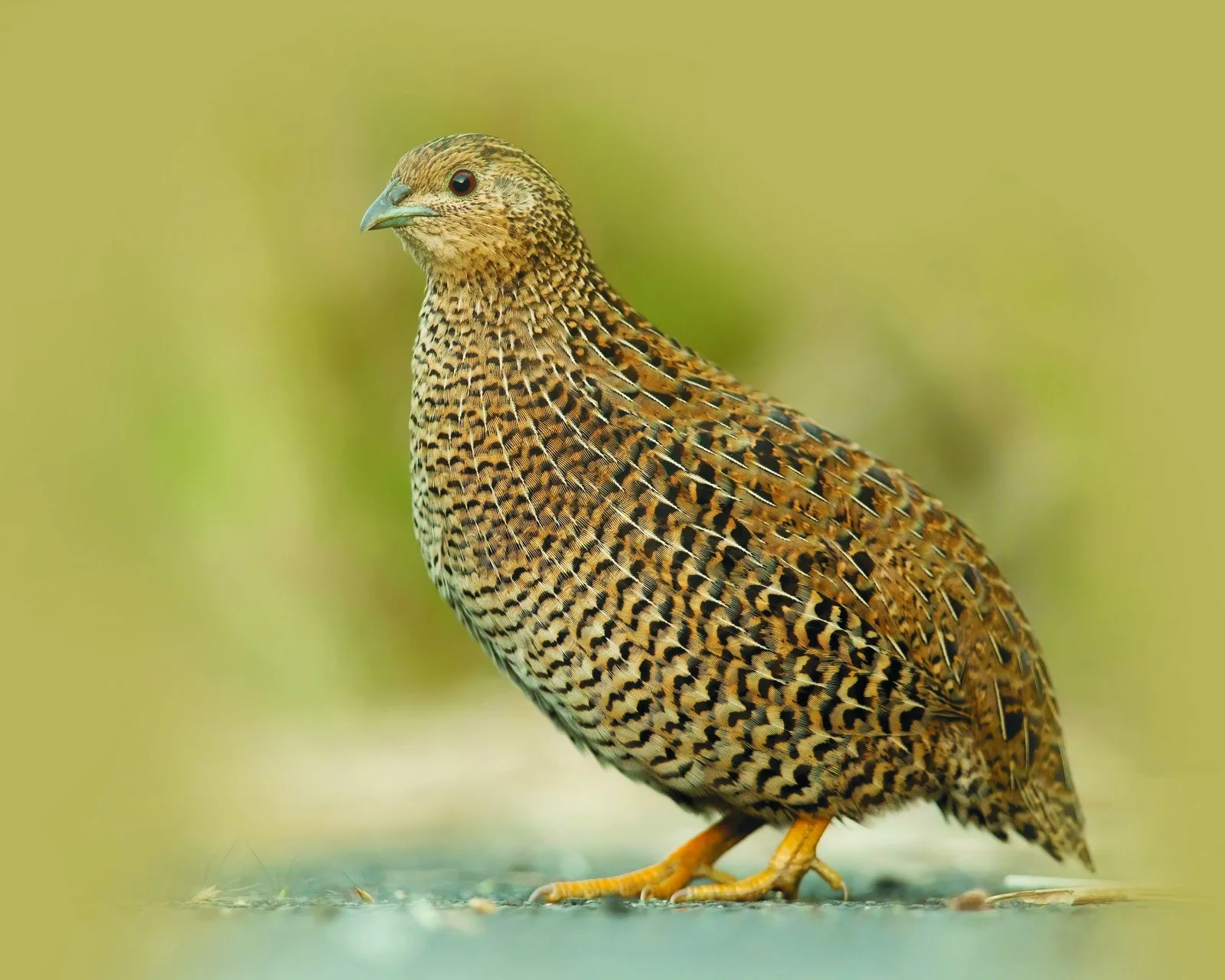
Notable records of calling males reaching our shores from their Sahel winter quarters, or southern Europe, are miniscule compared to those of the Egypt area.
To go down as a ‘Quail year’ we only have to host many hundreds, and sometimes the number nudges into four figures. 2026 will go down as one of the great ‘Quail years’ here in Britain.
“2026 will go down as one of the great ‘Quail years’ here in Britain.”
A succession of heatwaves may have been a contributory factor, enticing birds in southern Europe to move north, some of them after nesting. These could have been joined by their own offspring, who are ready to breed within weeks of hatching.
On the trail in Surrey
After hearing about the exceptional influx this year, back in June I set myself the task of trying to find one again by listening alongside suitable looking crop fields or any hard-to-find traditional meadows.
I knew the chance of encountering this secretive species was unlikely, let alone seeing one, but as more Quail reports continued, from as far away as Shetland, I kept going throughout the month, and July too. If they can get way up north then why not here in Surrey!
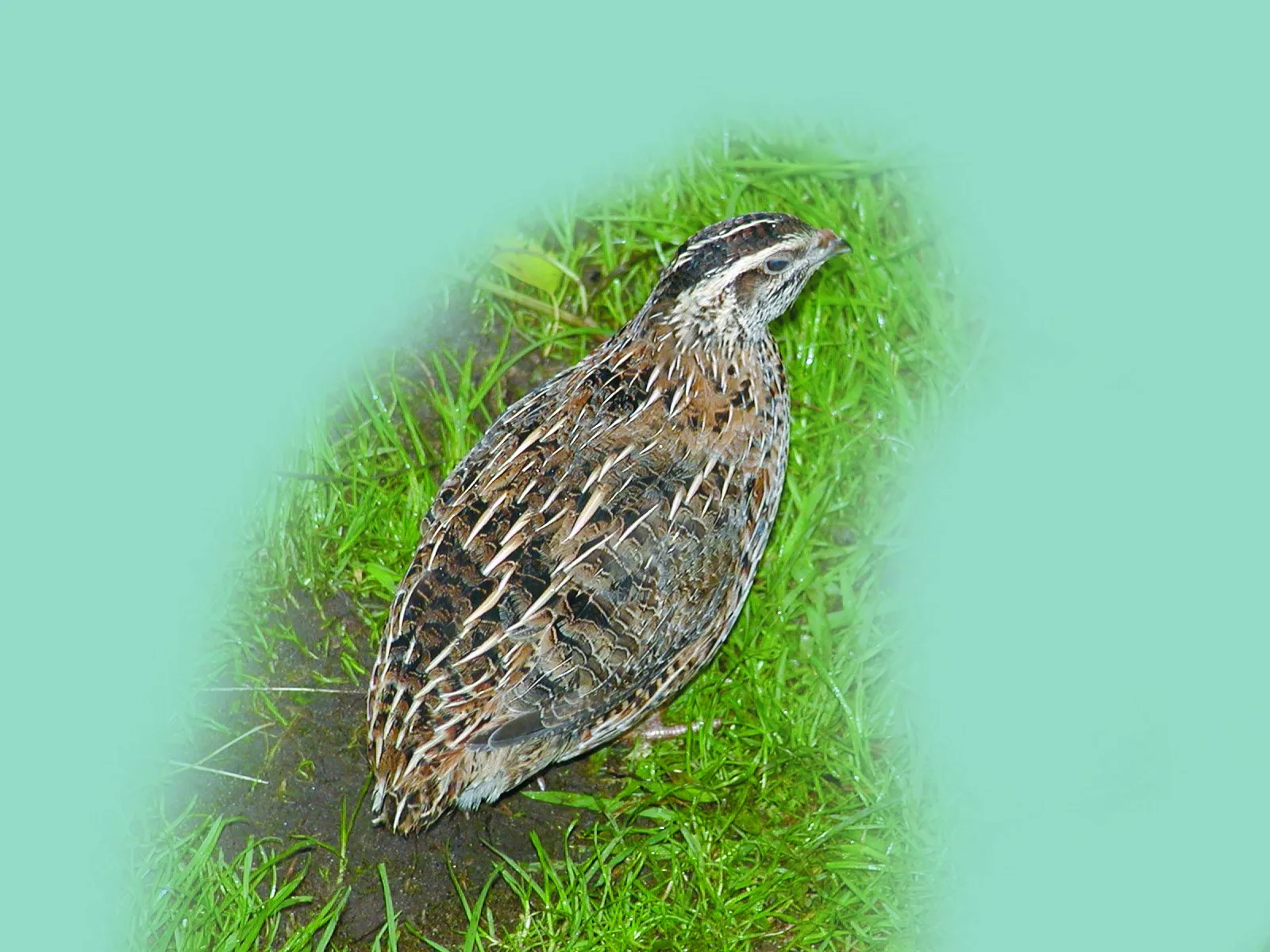
Other observers’ successes spurred me on. Someone managed to take an amazing photo of a Quail flying low over the sea in The Channel. Another birder made a recording of one migrant calling as it flew over Ewell at night, and there were sightings in Guildford.
My Quail trail took me to one likely field being harvested for silage. Not great for the ground nesting birds such as Skylarks, or any unlucky Quail, but this seems to be the price of beef.
A flock of 11 White Storks from the Knepp Estate experiment in West Sussex had moved in to pick off what they could find. Above them circled 26 Red Kites, frequently dipping down to grab any leftovers.
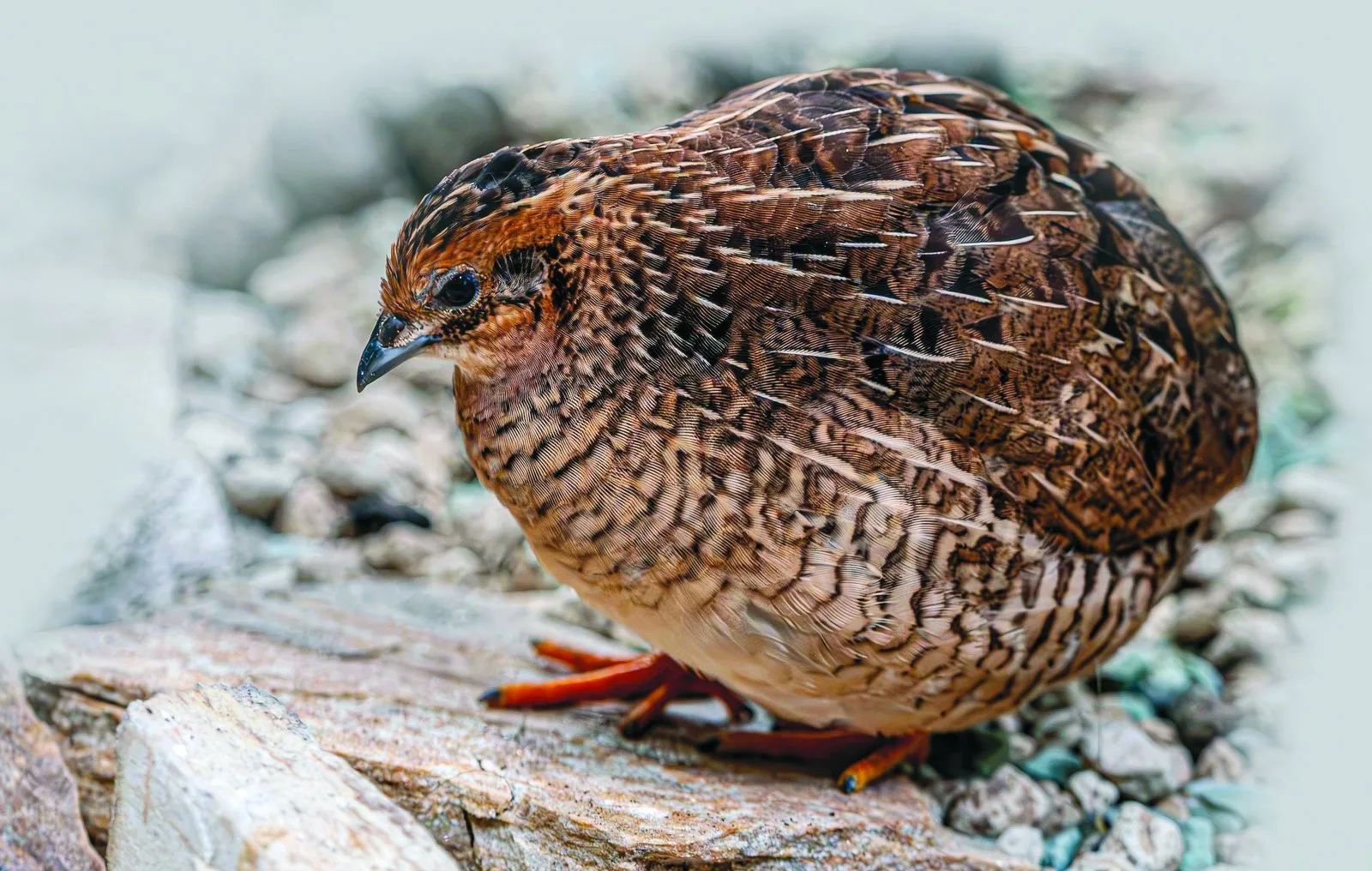
At the moment, my 2026 excursions could be dubbed ‘the big Quail fail’. But some crops still await harvesting so there could well be some still out there. And I know they can breed quite late so I will stay on the trail.
I mentioned an earlier record nearer the beginning of this article. This was an adult female trapped and ringed by Mr Les Weller at his Ewhurst farm on May 3, 1965.
Someone else even managed to see that same bird in the following autumn. Not anyone in Egypt but the person who shot it just over four months later on September 15 in the Ebro Valley, near Zaragoza in Spain.
This article first appeared in the August 2026 issue of Cranleigh Magazine. Pick up your free copy around the village, or read more at cranleighmagazine.co.uk.