
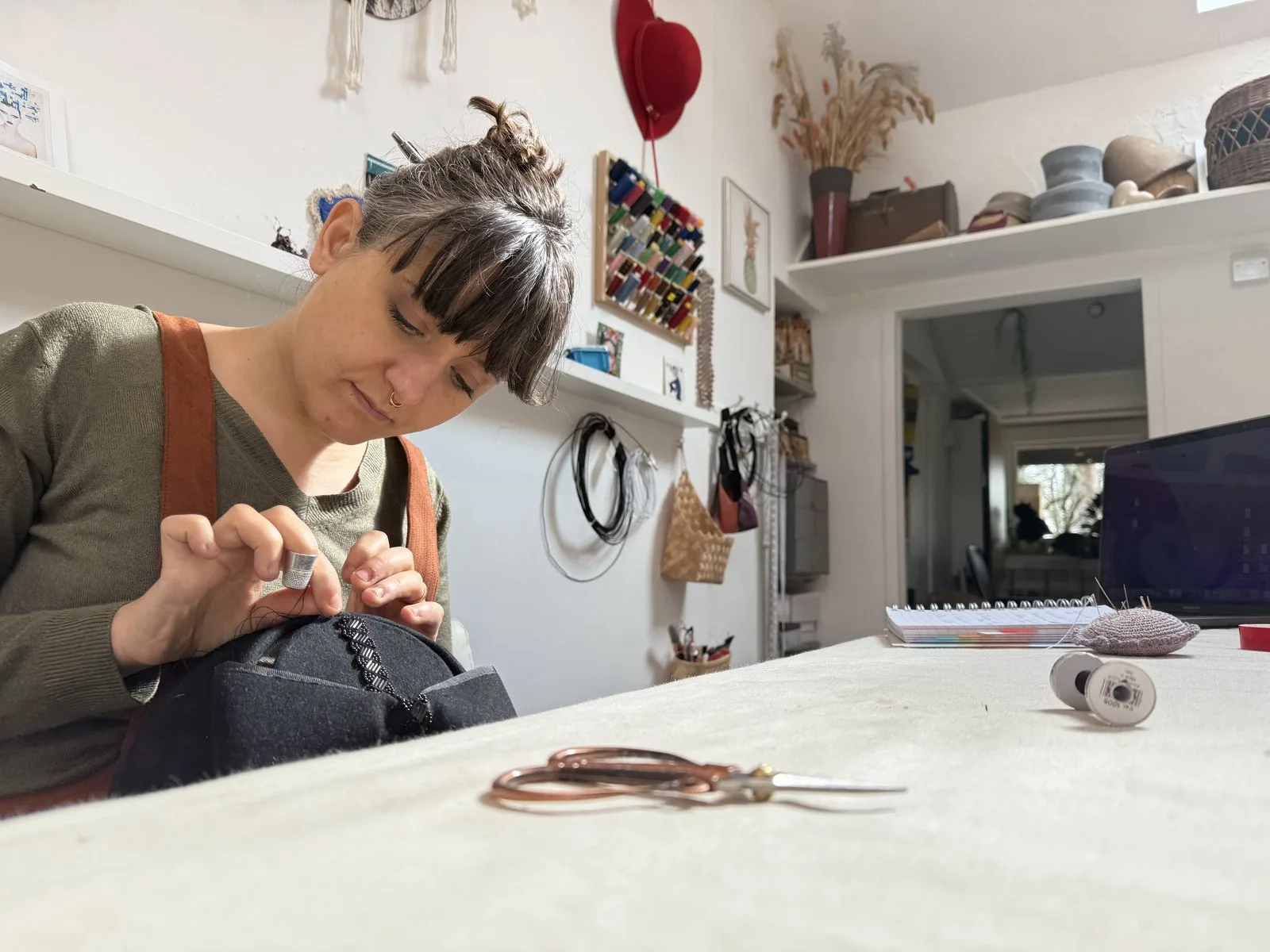
Each month our People Profile introduces someone who helps make Cranleigh what it is. This month milliner and multi-disciplinary artist Virna Pasquinelli tells the story of a journey from Italy to the Surrey Hills, and of the craft she calls wearable sculpture.
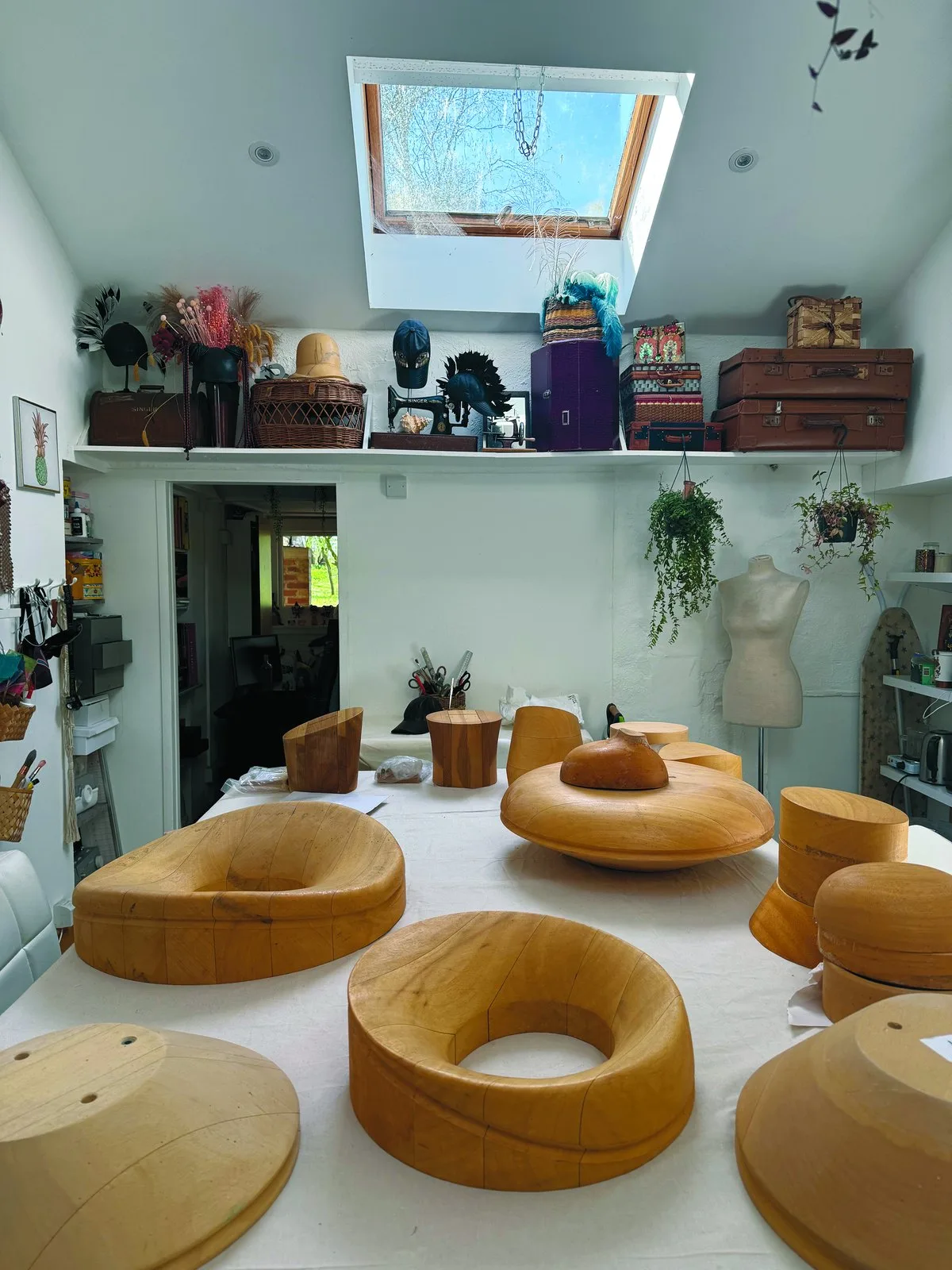
Sunlight pours through the windows of my studio at Smithbrook Kilns, Cranleigh, illuminating rows of wooden hat blocks, sculpts, frames and fabrics; creations at varying stages of completion, all sitting somewhere between fashion and art. Feathers, silks, moulds and patterns share the space with tools that have changed little over centuries. Every object around seems to be in the process of telling its story.
People often assume I always wanted to be a milliner but my path wasn’t so clearly defined. If someone had told me as a child, growing up in Italy, that one day I’d be making hats for royalty, celebrities, designers and stylists, for all manner of events, weddings, catwalks, theatre and television from a sun-drenched studio in the Surrey Hills, I wouldn’t have believed them.
An Italian childhood
Originating from Viterbo, a classical Italian medieval town north of Rome, known as the City of the Popes where history feels woven into everyday life. Ancient stone buildings framed narrow streets, adorned with statues and centuries of sculptural craftsmanship surrounded me. On reflection now, that sense of tradition stayed with me more than I realised.
I was the third of five children, four independent sisters and our younger (much doted) brother. Family life was vibrant and noisy as we grew up in a small flat with four girls sharing one bedroom. Every evening we’d argue over whose turn it was to switch off the light and, as teenagers, we’d invite friends to sleep over too. Looking back, I honestly don’t know how we all crammed in or how our parents coped with the chaos. They put me to work at an impossibly young age in our busy family restaurant, where I soon learnt the value of hard work.
Creativity and ingenuity ran throughout our family. My father would build almost anything, despite having no formal training. My mother is an exceptional pastry maker, crafting beautiful cakes and desserts with remarkable skill and attention to detail. My sister is a fantastic chef, my brother a composer and my grandfather was an infamous poet, and almost all my aunts would make and sew. We expressed our creativity differently, through food, music, words, forms or fabrics, but always with pride and passion. I never had the patience to paint, preferring the immediacy of being able to form my imaginings directly. Building, experimenting, bending and binding; sculpture was always my natural medium.
“Building, experimenting, bending and binding; sculpture was always my natural medium.”
Learning English, finding hats
As I grew older I became captivated by fashion, mesmerised by the effortless style and elegance displayed by my mother. By the age of ten I was collecting magazines, cutting out photographs and making collages of catwalk looks, designers and supermodels. I had hundreds of fashion cuttings. I was obsessed and after finishing school I knew I wanted to study fashion. Unfortunately Italy’s leading fashion schools were private and financially out of my reach. However, my upbringing had taught me I could accomplish anything with hard work, so I found a state-sponsored fashion course in Amsterdam. The only problem was that it was taught in English, of which I did not speak a word. So I planned a detour to the UK, to learn English from scratch, in a year!
I arrived in Guildford and immersed myself in the language. This was before smartphones and translation apps so I labelled everything in my room, the table, mirror, window and chair. Everywhere I looked was decorated in Post-it notes! If someone said a word I didn’t understand, I wrote it down and looked it up later, carrying a dictionary everywhere. Once I had the basics I started working and chatting with the public in restaurants and coffee shops. Then something happened that completely changed my life’s direction.
One day a wedding party came into the restaurant where I was working, wearing these incredible structures on their heads. It seemed very strange to me because in Italy hats tend to be practical rather than decorative. These hats were far from functional, they were theatrical and looked ridiculous and utterly wonderful, and I was completely captivated.
I promptly bought a book on hat-making and that simple decision showed me that millinery combined everything I loved: fashion, sculpture, textiles, craftsmanship and design. The only issue was that I couldn’t understand most of the book! I recognised there were techniques, tools and heritage I knew absolutely nothing about. So I enrolled on an evening course at Kensington & Chelsea College and was immediately hooked, consequently moving into the heart of London.
What I loved most was the sculptural process. Traditional millinery starts with wooden hat blocks. Materials are steamed, stretched, shaped and transformed until they hold their form. To me it felt like wearable sculpture. After that course I was fully committed so I continued training while working evenings to support myself. It was exhausting but I knew I’d found my calling.
“Millinery combined everything I loved.”
Behind the scenes, on the stage
Over the following years I worked with some of the industry’s leading milliners including Philip Treacy and Piers Atkinson, eagerly studying and perfecting every skill and technique they shared with me. People (including my younger self) might imagine hat-making to be relatively simple, assembling a few fabrics together into a tidy package, but the reality couldn’t be more to the contrary. Ranging from flower making, embroidery, leatherwork, fabric dyeing, origami, textile manipulation, wirework, structural design and mechanical engineering, every project is always a unique and wonderful exploration of form and function.
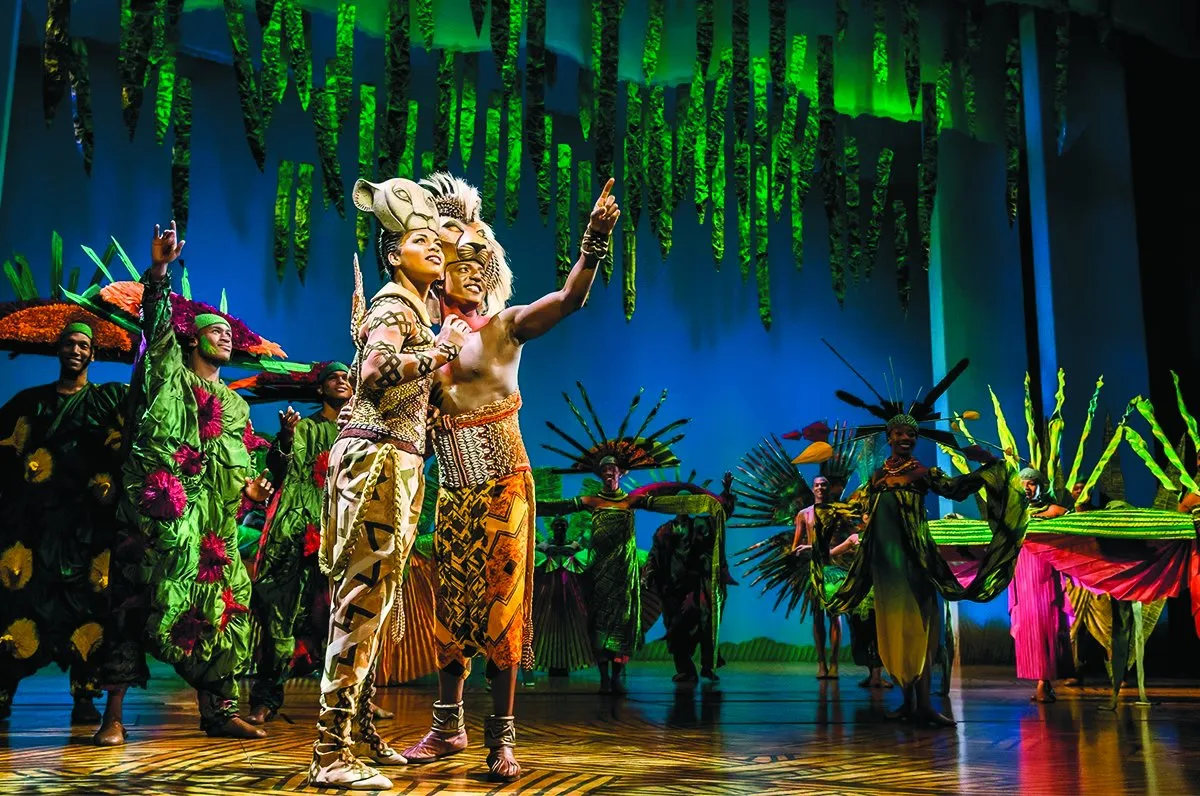
I began my career stitching behind the scenes of theatre and television productions such as The Lion King, Aladdin, Shrek and Bridgerton. These shows often toured the world and costumes were changed at incredible speed backstage, so headpieces need to endure repeat performances and dance routines. I once spent over a week creating a single headdress for The Lion King, every feather individually dyed, painted and wired, built to survive a pack of hyenas. Working in theatre taught me strength and resilience in my work, without ever compromising its tenderness or delicacy.
I’d sometimes watch the performances and loved seeing my creation being worn on stage, even if it only featured for part of a scene. It’s amazing how much work and craftsmanship go into the most fleeting of moments that audiences may not even notice, but that’s theatre for you!
An atelier in the Surrey Hills
Then Covid struck and I found a moment to completely focus my ambitions. I had the privilege of being awarded a Queen Elizabeth Scholarship Trust which allowed me to expand and refine my skillset. I became a member of the prestigious British Hat Guild and moved back to Surrey where I established my studio at Smithbrook Kilns. My first studio was tiny, about 2m x 3m, but I was lucky to have an understanding landlord who expanded the space as my business grew.
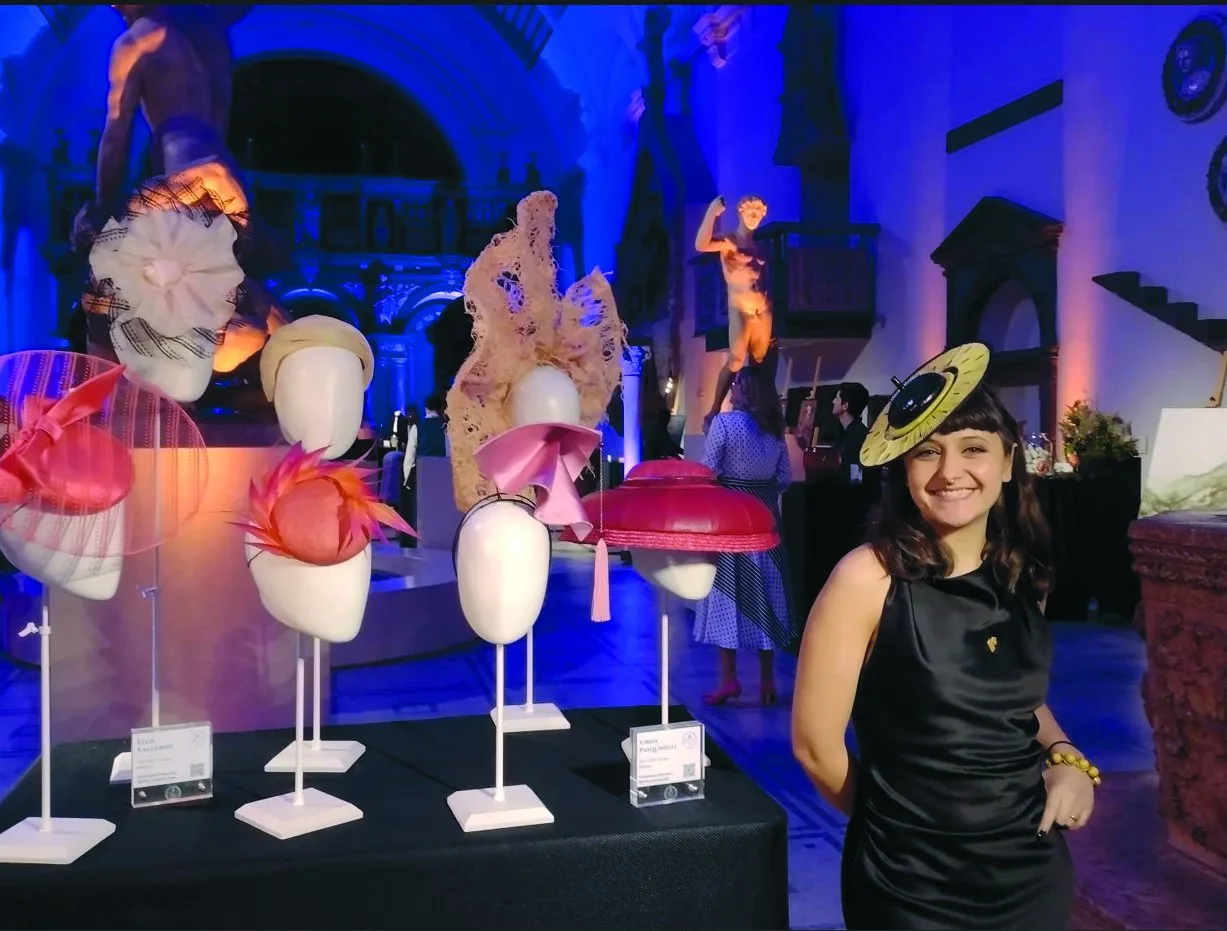
Today, Pasquinelli Millinery has evolved into an atelier dedicated to creating high-fashion, editorial and bespoke pieces sitting somewhere between fashion, sculpture and wearable art. My work combines the elegance of traditional craftsmanship with a contemporary approach to design, with each piece diligently crafted to elevate identity, define silhouette and celebrate individuality. I feel my personal journey is reflected in my work, going from the classicism of Rome to the avant-garde, urban edginess of London, before finding the space to finesse my art in the Surrey Hills.
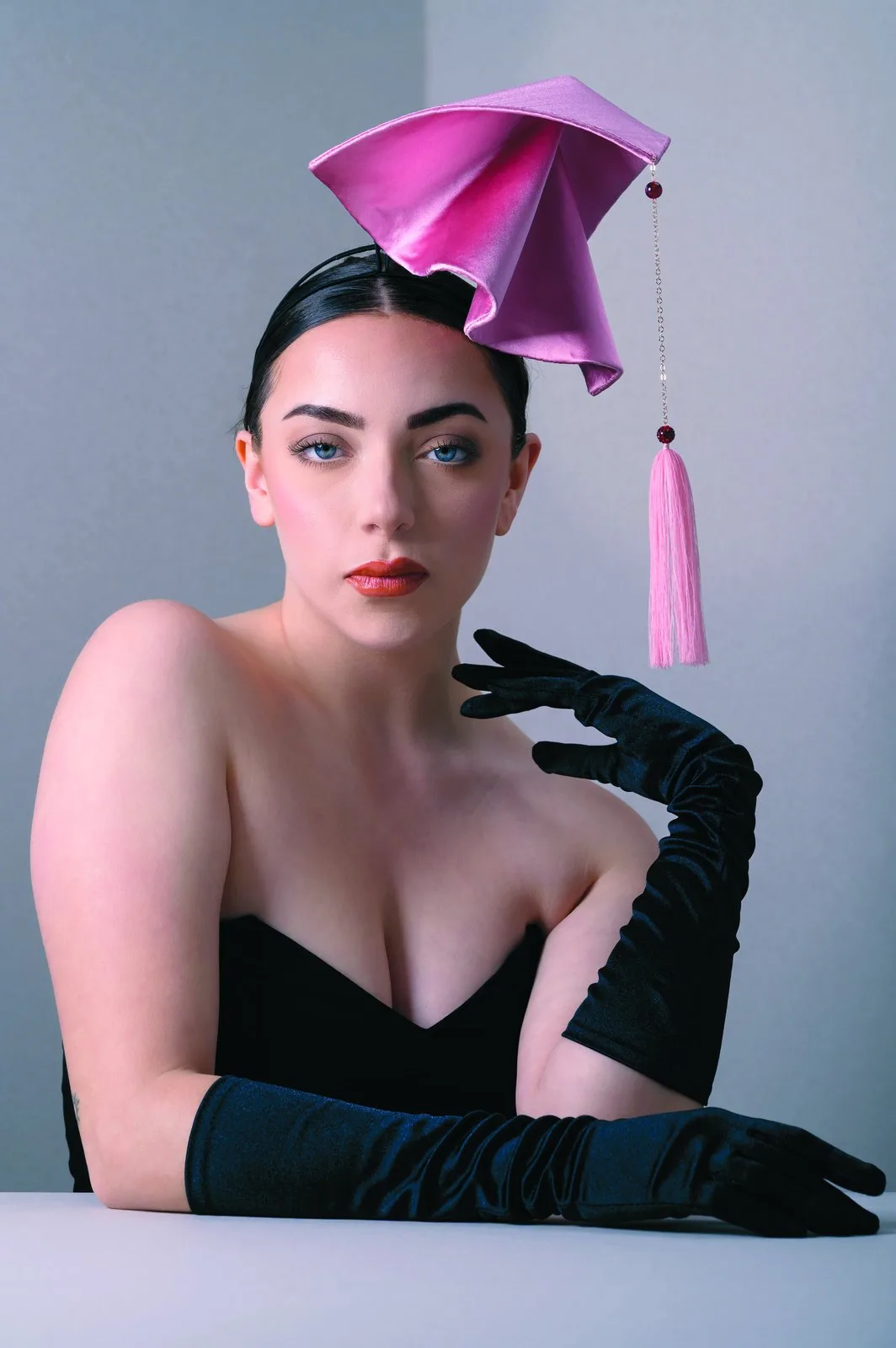
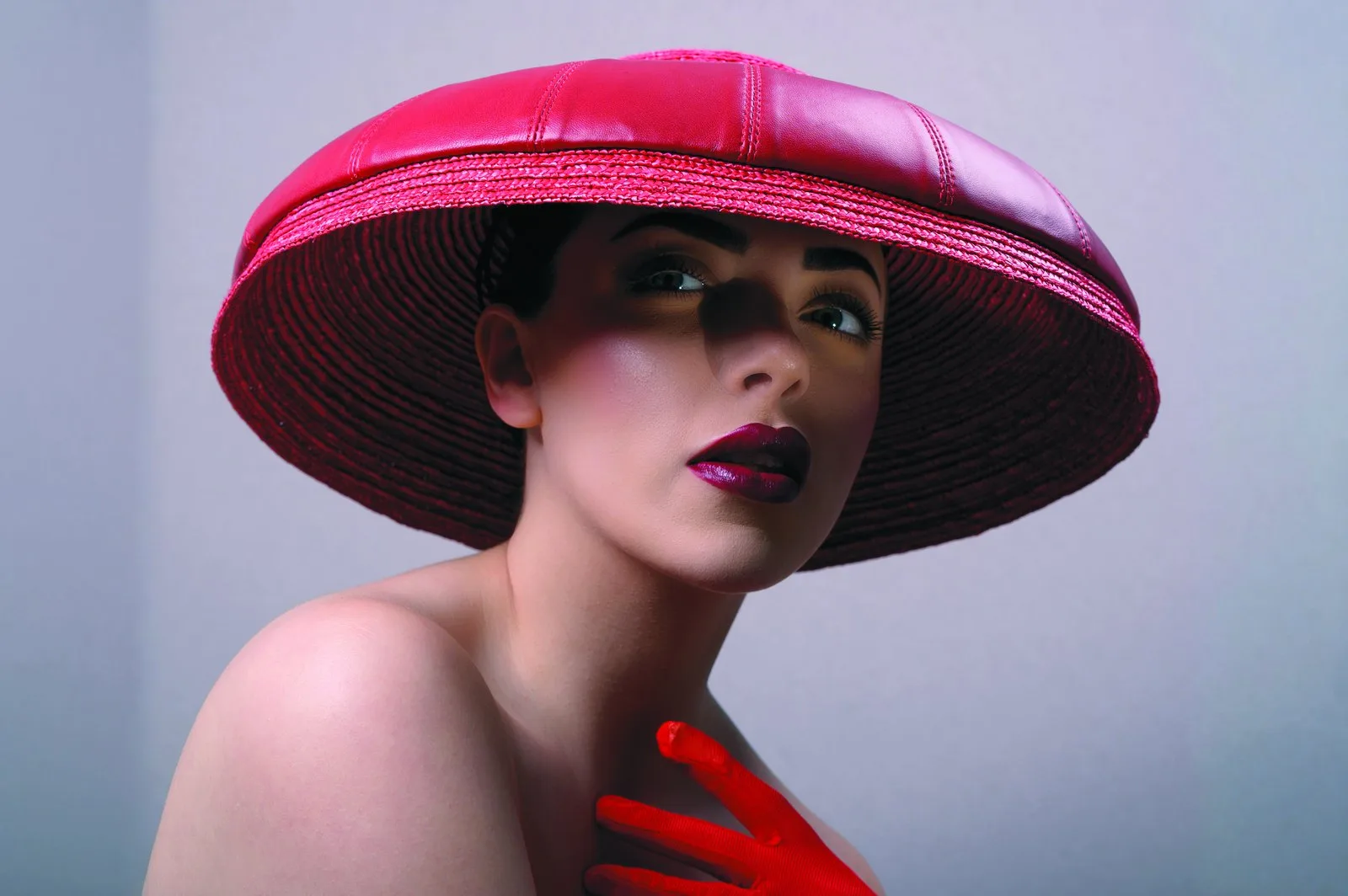
There are no rules or limitations to my millinery, with each piece a unique expression of personality with the ability to transform how someone feels. The moment a hat is ‘donned’ (this saying still makes me smile!), their posture and attitude change, they stand differently and smile as they recognise another side to themselves.
Collaborations have been a central part of my practice, working closely with both established and emerging designers and stylists. Bespoke pieces are created that enhance and expand collections and shows, with my work appearing on numerous runways and red carpets, in editorial features, film productions and major cultural events.
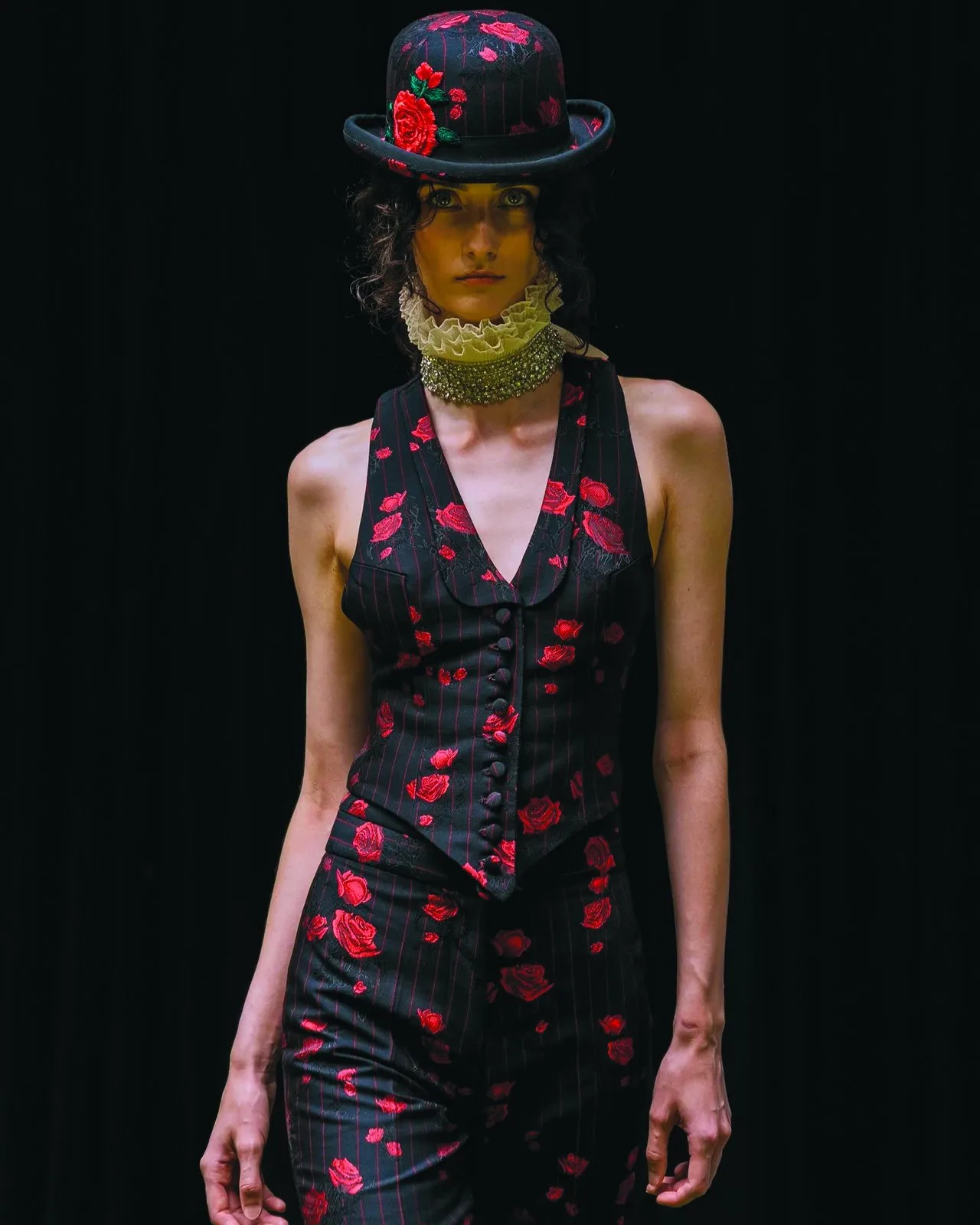
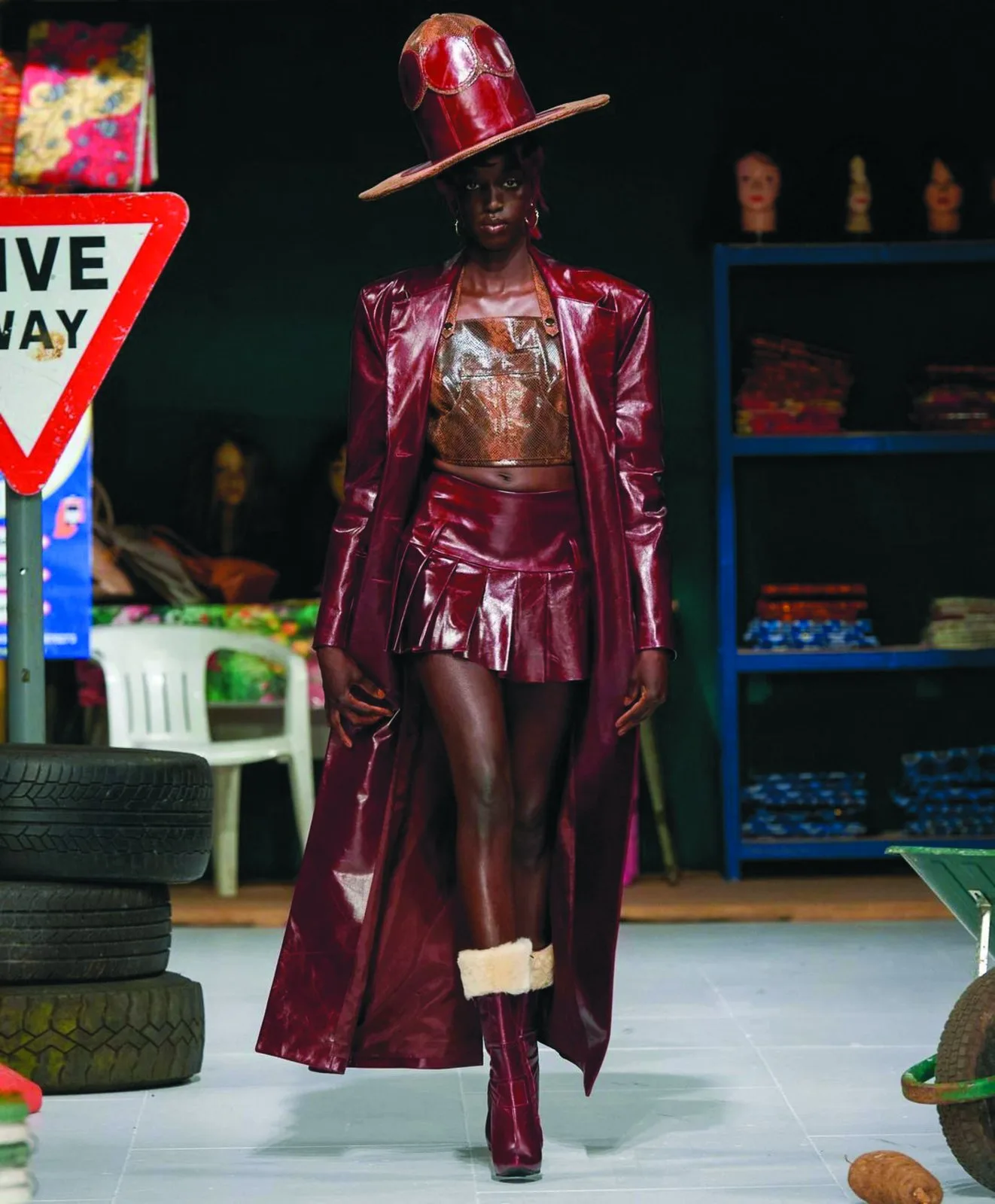
The empathy of a hat
Today most of my work is for private commissions, which offers a different approach to the more exacting needs of other creations. There is a significant level of empathy needed for millinery. It’s the most personal and visible item of clothing anyone wears and always marks an occasion, so it constantly has something to say. Sometimes the client knows exactly what they want and has an outfit that needs adorning or an event to charm. But there’s a part of a hat that brings something unrealised to light, while enhancing the shape and tone of the wearer, revealing hidden truths or finding a new-found confidence. A hat represents the qualities, subtleties and aspirations of the personality in ways that elevate, empower and inspire.
“There is a deep level of empathy needed for millinery.”
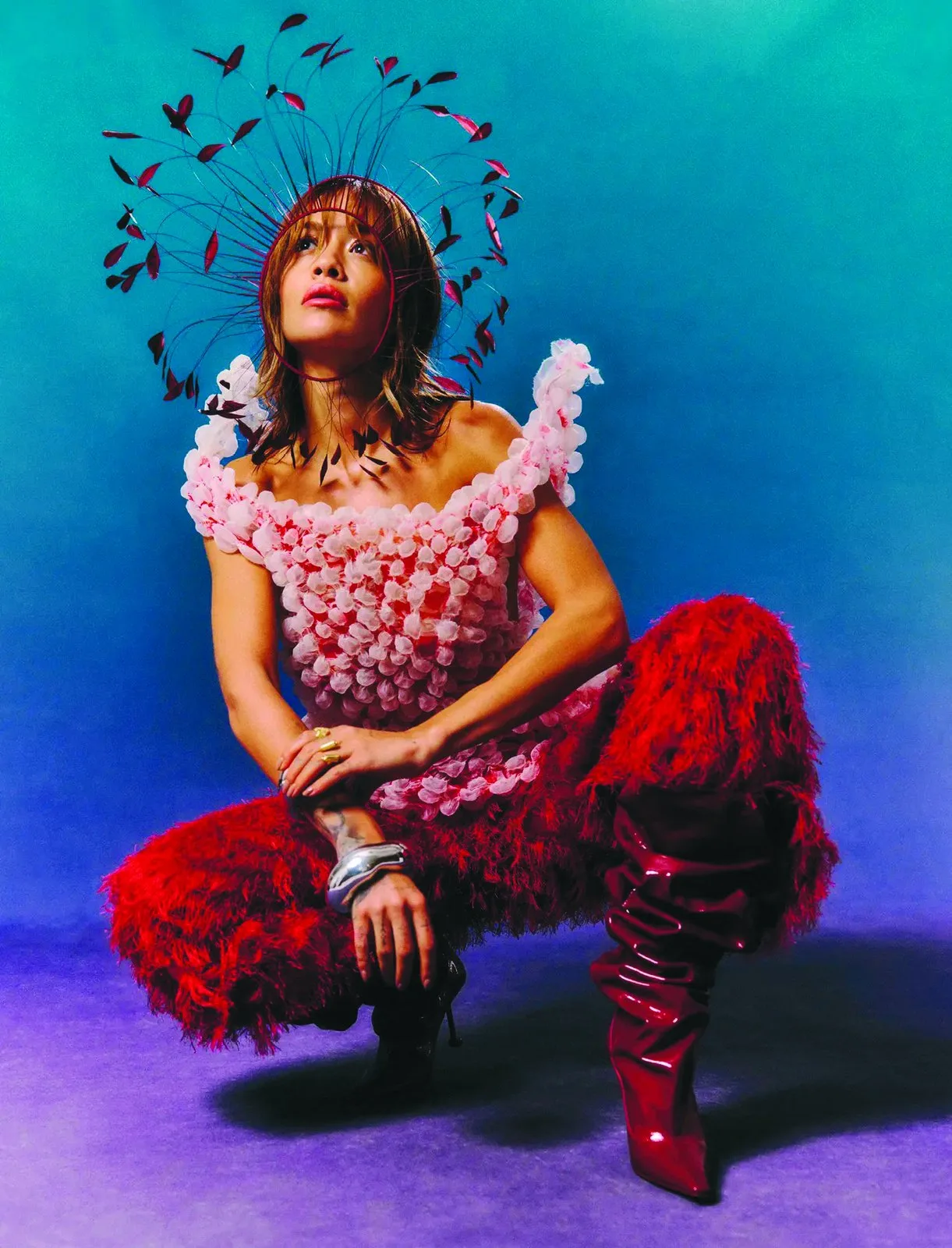
I’m currently in the process of finalising my first lines of ready-to-wear collections, Empatica and Penombra, an elegant range of occasion-wear pieces exploring light and shadow casting. Alongside these is a line of more everyday headwear made from hemp fabrics, capitalising on their amazing protective and ecological properties. I am driving toward more sustainable, ‘slow-fashion’ and creating more local, community-orientated manufacture, focusing more on the environment and local and social enterprise as we grow the business. Both of these ranges will be launched between Autumn ’26 and Spring ’27.
I feel dizzy when I consider the pace at which things have developed and everything that’s led to this moment. But throughout I’ve never lost sight of how I arrived here. Another aspect of my work is sharing the passion and craftsmanship of my industry, passing on the craft and tradition to a new generation of designers and creatives. I recently had the privilege of teaching within the King’s Foundation, specifically set up by King Charles to extol the future of England’s unique and unparalleled millinery heritage, alongside Chanel’s Métiers d’Art initiatives.
I’ve always felt the art of millinery, and hats themselves, are not just an exclusive part of our lives, considering a time years ago when it was improper to be seen without a hat.
A creative space for everyone
Along with creating a more affordable, ready-to-wear range, I’ve also developed a series of fun workshops and classes for all occasions and abilities. These range from modular classes for aspiring designers and seamstresses, to customised workshops for groups, couples and individuals themed around a variety of hat styles and occasions. These are especially exciting for hen parties, mothers and brides, in the build up to their momentous day.
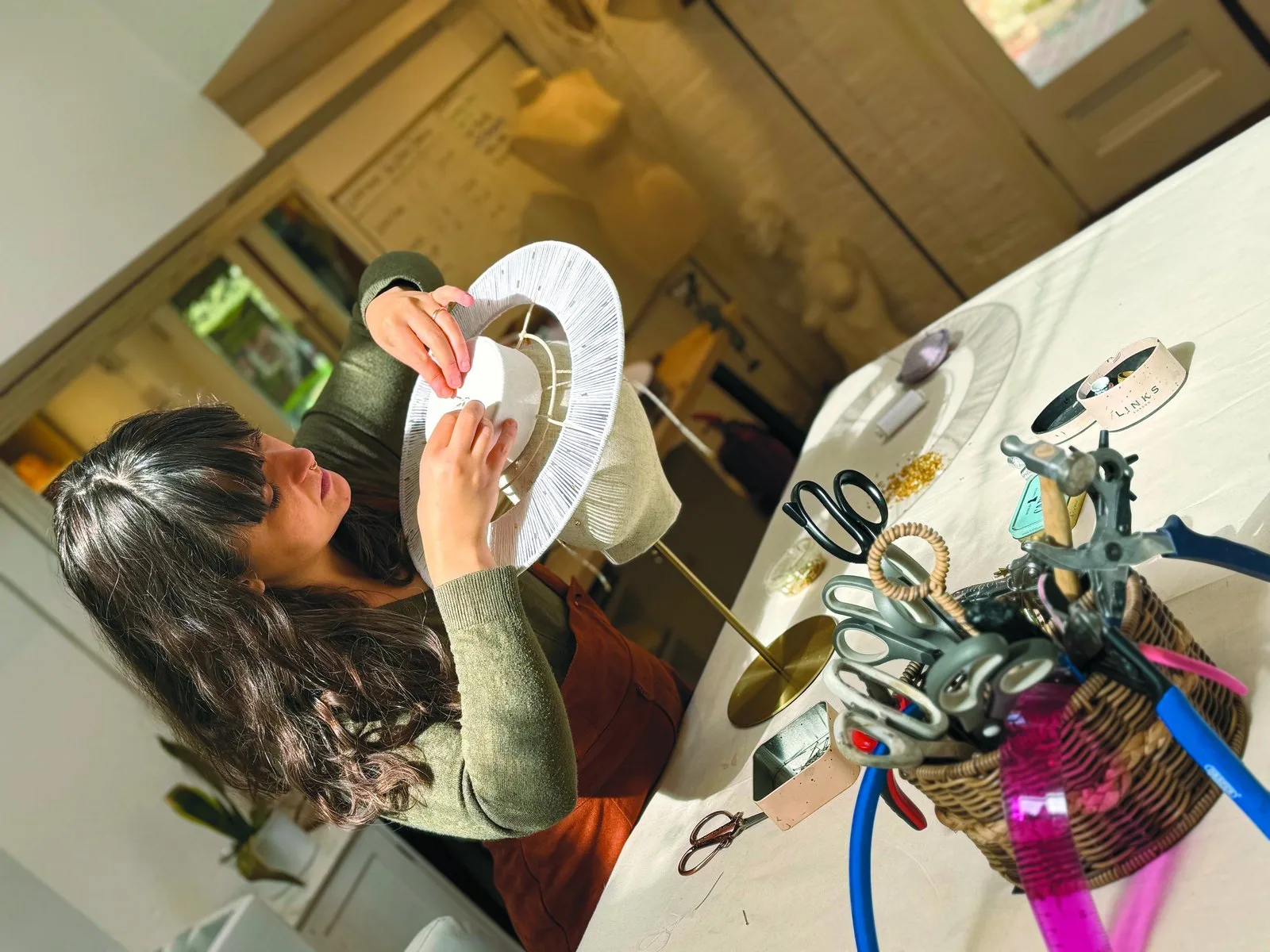
I will also be opening the studio for a ‘Hat Lab’, where anyone can use the blocks and facilities to create or repair their headwear. That perfect hat should always be an ongoing part of their life.
Looking ahead, there’s so much I’m excited about. I’m keen to develop my studio, creating a free and open, experiential space where people can relax, explore, experiment and be part of this creative and uniquely personal journey. When I look around my studio today, daydreaming in the sunbeams, I sometimes think about how I was derailed from more traditional fashion by the wonder and limitless creativity of millinery, and I can’t imagine doing anything else. If I ever stop making hats I think I’d probably move onto lampshades because, thinking about it, they’re really not that different! Whether framing a head or a light bulb, my aim will always be to illuminate a precious, unique moment, project a story and evoke emotion that will hopefully be remembered forever.
All in all, these are really exciting times with so much happening. I’m launching a new website for direct sale of my hats (virnapasquinelli.com). In the meantime clients can sign up to my mailing list for updates and offers, and I will also be holding an Open Studio day in October. Cranleigh Magazine readers are welcome to have a free consultation any time before then. I look forward to seeing you, and the hat you might inspire.
Pasquinelli Millinery is based at Smithbrook Kilns, Cranleigh GU6 8JJ. Find out more at virnapasquinelli.com.
This article first appeared in the August 2026 issue of Cranleigh Magazine. Pick up your free copy around the village, or read more at cranleighmagazine.co.uk.